Comprehensive Guide to Local Names of Spanish Ham
When it comes to Spain, one of the most famous delicacies is ham. Those who have lived in Spain have probably heard of or tasted different types of ham, but how do locals actually call these hams? Today, let’s share various local names and classifications of Spanish ham so that you won’t get confused when buying it.
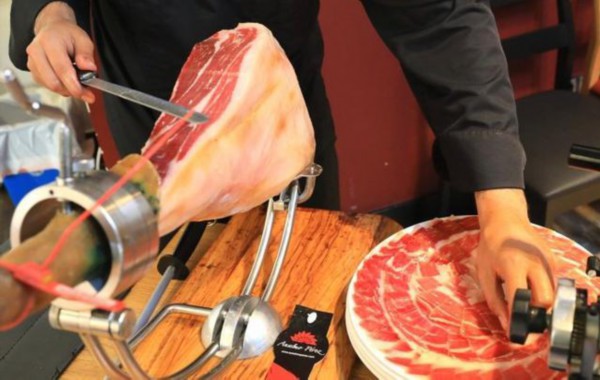
Basic Classifications of Jamón
In Spain, ham is collectively called Jamón. However, depending on the breed of pig and production methods, it is mainly divided into two categories: Jamón Ibérico and Jamón Serrano. Most supermarkets and restaurant menus display these terms, and if you see “Jamón” without further specification, it usually refers to Serrano ham by default.
| Type | Local Name |
|---|
| Iberian ham | Jamón Ibérico |
| Serrano ham | Jamón Serrano |
| Black hoof ham | Pata Negra |
| Premium ham | Jamón Reserva |
What Do Different Names Mean?
- Jamón Ibérico: Refers to ham made from Iberian black pigs, known for rich flavor and higher price. This type is further subdivided based on the feeding method, such as Bellota and Cebo.
- Jamón Serrano: Made from white pigs, this is a very common type of ham with affordable prices, often used in sandwiches, tapas, and everyday Spanish cuisine.
- Pata Negra: Literally meaning “black hoof,” it refers to high-end ham from Iberian black pigs; however, recent Spanish regulations state that only purebred acorn-fed Iberian hams can be labeled this way.
- Jamón Reserva/Gran Reserva: Emphasizes longer curing times for enhanced flavor. When buying, these labels help you determine the ham’s quality.
How Do Locals Usually Say It?
In Barcelona, Madrid, and other regions, locals ordering ham often say “Un bocadillo de jamón serrano” or simply say “Ibérico” to indicate a higher-end version. If you just say “Jamón,” people generally assume Serrano, but you can add “del bueno” to mean a good one.
How to Choose and Identify?
When purchasing, look out for key words on the labels. Authentic Iberian ham packaging will include Protected Designation of Origin marks like “DO Guijuelo” or “DO Jabugo.” You can directly compare the terms “Jamón Serrano” and “Jamón Ibérico” in Spanish, and the prices usually show clear differences[/size=14].
Conclusion: Living Tips
For those living in Spain, if you have questions about ham, you can directly ask the staff “¿Esto es ibérico o serrano?” Some less common regions may have unique local names, but the ones mentioned above are the most common in supermarkets. If you have tried special flavors or rare varieties when buying ham locally in Spain, feel free to share your experiences in the comments!
Hope everyone in Spain can enjoy their perfect ham delicacy!
