Understanding Spanish Ham
When it comes to Spanish cuisine, ham is definitely a must-try. Whether it’s the ordinary Serrano ham or the famous Iberian ham, you can find them almost everywhere—from bars and snack shops to supermarkets. When I first moved to Spain, what I looked forward to the most was tasting authentic ham; surprisingly, there are quite a few customs and tips for eating and buying it!
Common Types of Ham
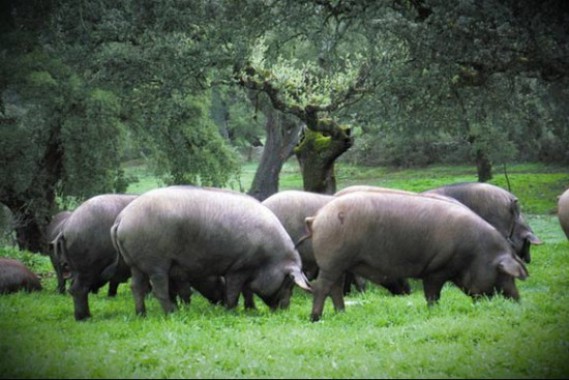
Spanish ham can generally be divided into two main categories: Serrano and Ibérico. The former comes from white pigs, which are moderately priced and taste good; the latter is from black-hoofed pigs, offering complex flavors and rich fat, and is more expensive. Many supermarkets and butcher shops hang an entire leg of ham, which looks very appealing. The simple table below summarizes the main differences:
| Type | Price Range |
|---|
| Serrano | €10-25/kg |
| Ibérico | €25-200/kg |
How to Eat Ham Authentically
In Spain, ham is usually eaten raw, sliced paper-thin and eaten directly. It’s often enjoyed with bread, olives, cheese, and tomatoes. We recommend trying Pan con tomate: toasted bread spread with fresh tomato paste, drizzled with olive oil, and topped with a few slices of ham. This simple way of eating is very local.
Buying and Storing Ham
Many newcomers find it difficult to store a whole leg of ham. Actually, besides buying the whole leg, you can buy ready sliced ham in supermarkets, which is convenient for everyday family consumption. After opening, it is recommended to wrap it with plastic wrap and keep it in a cool place (not refrigerated) to retain flavor. If you buy whole ham locally in Spain, you can wrap the exposed part of the ham with a cotton cloth.
Ham and Spanish Social Culture
In Spain, whether at festive gatherings or casual meals with friends, ham almost always appears on the table. Some locals are very skilled at slicing ham, cutting it thinly, large, and evenly. Volunteering to help slice ham at parties is also a popular social gesture. It’s worth observing and learning as it can help you connect closer with locals.
Tips and Common Questions
- When choosing Ibérico ham, pay attention to labels such as Bellota and Cebo
- Don’t be fixated on brands; focus on the freshness of the slices and the skill of the knife work
- Try ham-centered snacks platters, which are affordable and great for beginners
- Ham is nutritious but relatively salty; moderate consumption is advised
Enjoying good Spanish ham is not just about tasting delicious food but also a deep cultural experience. If you have other ways to eat ham or buying tips, feel free to leave a comment in the forum below!
