Where Does Spanish Ham Originate? Revealing the Historical Truth
When it comes to Spanish cuisine, the first thing that comes to mind is surely ham. That thinly sliced, melt-in-your-mouth flavor leaves a lasting impression. But have you ever wondered, where exactly does Spanish ham originate? Why has it become such an important symbol in Spanish food and daily life? Today, let’s dive into this fascinating topic together.
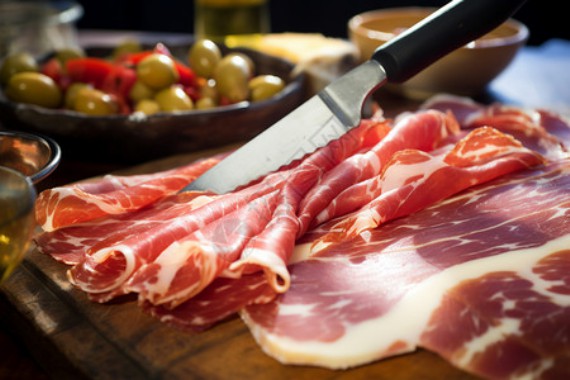
The Historical Roots of Ham
The earliest production of Spanish ham can be traced back to the Roman era. It is said that as early as before the common era, inhabitants of the Iberian Peninsula already had the habit of curing pork with salt. In ancient times, ham processing was mainly to preserve food — in an era without refrigerators, this method was truly a lifesaver.
For a long time, Serrano ham and Iberian ham were common delights for ordinary people. However, as production methods improved and flavors enhanced, ham gradually appeared on the tables of the wealthy and royalty, becoming a symbol of status and prestige.
Regional Distribution and Types of Ham
In Spain, ham is not just one kind. The two most famous types are Iberian ham and Serrano ham. Not only are their production methods different, but their origins also vary slightly.
| Ham Type | Representative Regions |
|---|
| Iberian Ham | Andalusia, Extremadura |
| Serrano Ham | Castile and León, Aragon |
Iberian ham is typically raised in mountainous areas in southwestern Spain, while Serrano ham is found throughout northern and central Spain. Due to [strong]climatic conditions[/strong] and breeding methods being different, their flavors are distinctly unique.
Ham and Spanish Lifestyle Culture
Ham is not only a delicacy but also a lifestyle culture. From family dinners to festive banquets, ham plays an indispensable role. Whether locals or foreigners living in Spain, people are quickly captivated by its unique charm.
Eating ham is not just about savoring flavor; it’s a way to deeply immerse yourself in local life. If you ever visit a ham factory, you must see their ancient curing and drying crafts illustrated at The Origin Time of Spanish Ham.
How to Choose Authentic Spanish Ham?
Faced with a dazzling array of brands and origins, newcomers might find The Origin Principle of Spanish Cured Ham a bit confusing at first. Actually, the simplest way is to look for the “black hoof”— Iberian Black Hoof Ham. Additionally, certification labels are crucial as they represent a guarantee of local high quality.
If you want to experience a different taste of Spain, selecting a good ham yourself and inviting friends over for a gathering is also a fantastic way to get to know Spanish life!
Conclusion
The origin of Spanish ham is a perfect fusion of history, region, and heartfelt tradition. From the Roman curing methods to the pinnacle of today’s global delicacies, every slice of ham carries the passion and wisdom of the Spanish people. If you know any interesting stories about ham, feel free to share them in the comments!
