As a football fan who has lived in Spain for five years and followed the Spanish football club rankings, I would like to share some observations and impressions about Spanish club football. Spanish football is not just about Real Madrid and Barça; it has a rich football culture with diverse clubs each showcasing unique characteristics.
Current Status of the Traditional Big Three
When it comes to Spanish football, Real Madrid, Barcelona, and Atletico Madrid remain the three most spotlighted giants. Real Madrid’s recent Champions League performances are remarkable, especially under Ancelotti’s leadership, demonstrating strong resilience. Despite financial challenges, Barça under Xavi has been gradually rediscovering its classic tiki-taka style. Atletico Madrid, known as the Spanish football clubeternal disruptor, continues to trouble opponents with Simeone’s disciplined defensive counter-attacking tactics.
The Charm of Regional Clubs
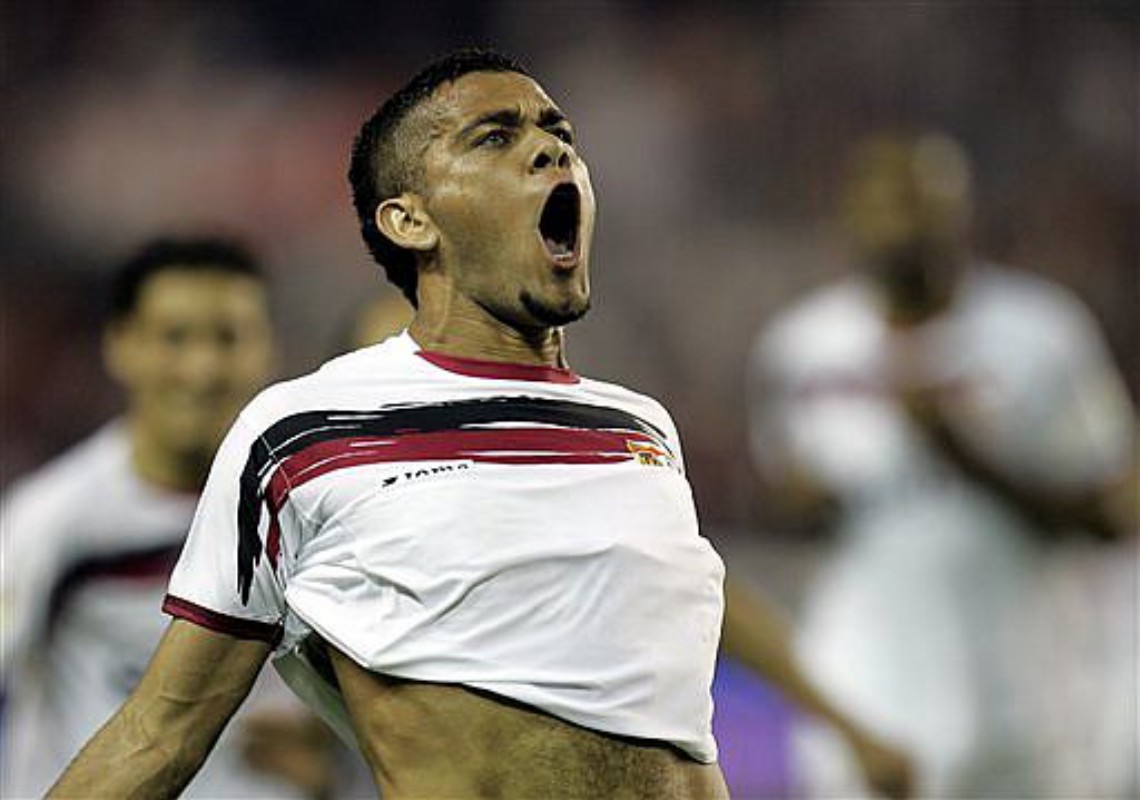
Spanish football’s appeal also lies in its regional teams. The Derby between Sevilla and Real Betis in Andalusia is full of passion, while Athletic Bilbao’s tradition of using exclusively Basque players is highly respected. Clubs like Valencia and Villarreal also bring glory to Spanish football on the European stage. Although these teams lack the financial power of the giants, they possess deep local cultural roots.
Importance of Youth Training Systems
| Club | Notable Youth Products | Characteristic |
|---|
| Barcelona | Messi, Iniesta | Technical tiki-taka |
| Real Madrid | Raul, Casillas | All-around development |
| Atletico Madrid | Torres, Saul | Strong tactical discipline |
| Athletic Bilbao | Raul Garcia | Physical confrontation |
Spain’s club youth training systems are world-class. Training academies such as La Masia and Valdebebas have produced countless talents for global football. These youth camps focus not only on technical training but also emphasize players’ tactical understanding and mental qualities.
Fan Culture and Match Atmosphere
Spanish fan culture is very unique, with each club having a loyal supporter base. From the white handkerchief tradition at the Bernabeu to the Catalan flags at Camp Nou, from the red and white stripes at Wanda Metropolitano to the orange sea at Estadio Ramon Sanchez-Pizjuan, every stadium has its own stories and traditions. Although sometimes rivalries among fans can be intense, this is also a part of football’s charm.
For Chinese friends living in Spain, I recommend choosing a local team to support. This not only helps with better cultural integration but also enriches your life in Spain. After all, football at Spanish La Liga club football is more than a sport; it is a way of life.
