As a fan who has lived in Spain for many years, every weekend I eagerly look forward to watching La Liga matches. The Spanish top division league is not only one of the most entertaining leagues in the world but also carries the rich football culture of the country. Today, I want to share some observations and thoughts about La Liga clubs.
The Dominance of Traditional Giants
When it comes to La Liga, you must mention the two giants: Real Madrid and Barcelona. Real Madrid boasts a long history and glorious achievements, with hundreds of millions of fans worldwide. Meanwhile, Barcelona is renowned for its unique football philosophy and youth academy system. The matches between these two teams, known as the El Clásico, consistently capture global attention.
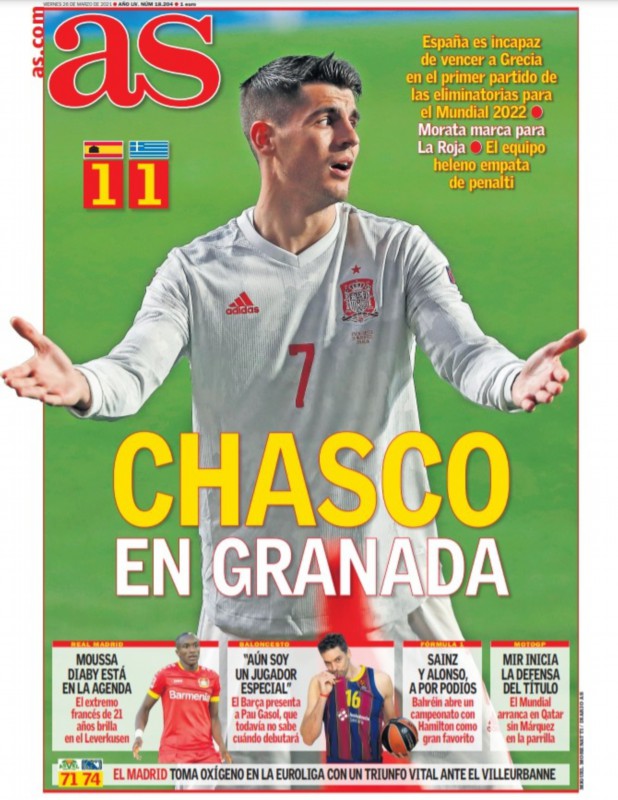
In recent years, Atlético Madrid has also risen to become the third force in La Liga. The arrival of Simeone completely transformed the team’s character; they are known for their tough defense and efficient counterattacks, often defeating the traditional giants in crucial matches.
The Business Models of La Liga Clubs
Spanish football clubs have unique operational characteristics. Most clubs adopt a membership system where fans can become official members and participate in major decision-making votes. This model ensures a close connection between clubs and fans but also brings some financial challenges, as seen in the Spanish football club rankings.
| Club | Number of Members | Main Revenue Sources |
|---|
| Real Madrid | 93000+ | Broadcasting rights, commercial sponsorships |
| Barcelona | 144000+ | Broadcasting rights, ticket sales |
| Atlético Madrid | 52000+ | Player transfers, sponsorships |
In recent years, the traditional ticket revenue model has become insufficient to support clubs’ huge expenditures. Broadcasting rights and commercial sponsorships have become the primary sources of income. This shift has driven clubs to focus more on brand building and expanding their presence in global markets.
The Importance of Youth Academies
The success of Spanish football owes much to its well-developed youth training systems. Barcelona’s La Masia academy has produced world-class stars such as Messi, Iniesta, and Xavi. Real Madrid’s Castilla youth team has also nurtured numerous outstanding players who feed into the first team.
These academies emphasize not only technical training but also the comprehensive development of players. They cultivate tactical awareness, teamwork spirit, and professionalism from a young age. This holistic approach is a key reason why Spanish football continues to succeed on the world stage.
Future Development Trends
With the increasing commercialization of football, La Liga clubs face new challenges and opportunities. Digital transformation has become an important topic for Spanish football clubs, engaging fans through Spanish club football teams social media and streaming platforms to broaden their influence.
At the same time, the implementation of financial fair play rules imposes higher demands on clubs’ management. How to maintain competitiveness while controlling costs is a serious question for all clubs. I believe that in the near future, La Liga will continue to develop in a healthier and more sustainable way, bringing more exciting matches to football fans worldwide.
