Comprehensive Analysis of Spanish Football Club Winter Training Camps
Recently, while chatting with some football friends, we have all been discussing plans to attend football winter training in Spain next year. As a football enthusiast living in Spain for 5 years and familiar with the Spanish football club rankings, I want to share some practical information about the main winter football training camps in Spain, hoping to help those planning to participate.
Marbella: The Football Paradise on the Sunny Coast
Marbella is definitely one of the most well-known football winter training destinations in Spain. The climate here is almost perfect, with average temperatures around 15-18°C even in January. Last year, I attended a two-week winter training camp, and the training facilities left a strong impression on me. Particularly the natural grass pitches, which are very well maintained.
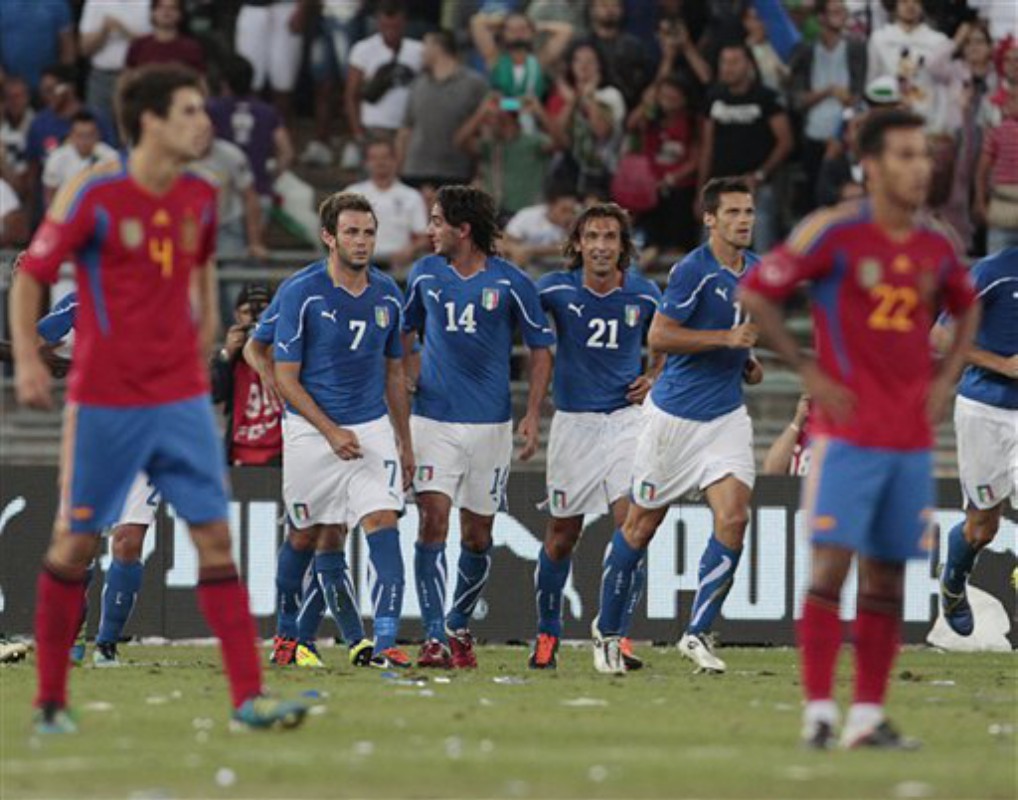
Marbella’s training camps usually include professional physical training, technical coaching, and tactical drills. Regarding cost, a typical winter training camp costs about 800-1200 euros per week, including accommodation and three meals. It should be noted that this price does not include round-trip airfare.
Alicante: A Cost-Effective Choice
Compared to Marbella, Alicante’s winter training camps are more budget-friendly. A friend of mine stayed there for three weeks this January, spending nearly 30% less than in Marbella. Alicante’s training facilities are also professional, and the local football culture is very strong.
| Camp Comparison | Marbella | Alicante |
|---|
| Weekly Cost | 800-1200€ | 600-900€ |
| Climate | Excellent | Good |
| Facility Level | Top-tier | Professional |
| Language Environment | International | Localized |
Practical Tips and Considerations
When choosing a winter training camp in Spain, don’t just look at the price; consider multiple factors comprehensively. First, training quality is important, so it is recommended to research the background and training methods of the Spanish football club coaching team in advance. Second, accommodation conditions mostly offer shared dormitories; if a Spanish club football team requires a private room, extra fees apply.
Regarding visa and insurance matters, EU residents find it relatively easy, while non-EU residents should arrange tourist visas in advance. Medical insurance is mandatory; it is recommended to purchase insurance covering sports injuries.
Spain’s football winter training camps are indeed worth trying. Whether you choose Marbella’s luxurious experience or Alicante’s affordable option, you can improve your football skills while enjoying Spain’s sunshine and culture. Interested friends can start planning six months ahead for better prices and scheduling.
