Just noticed that this year’s Portugal Spain Football Awards results have been announced. As a long-time fan of Spain Portugal Football who closely follows Iberian Peninsula football, I find this year’s list of winners quite interesting. Although this award is not as well-known as the Ballon d’Or, the Portugal Spain Football Trophy holds significant authority in recognizing contributions to the football development of both countries.
Highlights of the Winners
This year, the Portuguese winners are mainly concentrated among the two top clubs Benfica and Porto, with several young players from Benfica standing out. On the Spanish side, Real Madrid and Barcelona remain the big winners, but surprisingly Sevilla has also had players selected. It is noteworthy that the selection criteria this year seem to favor players who have excelled in European competitions.
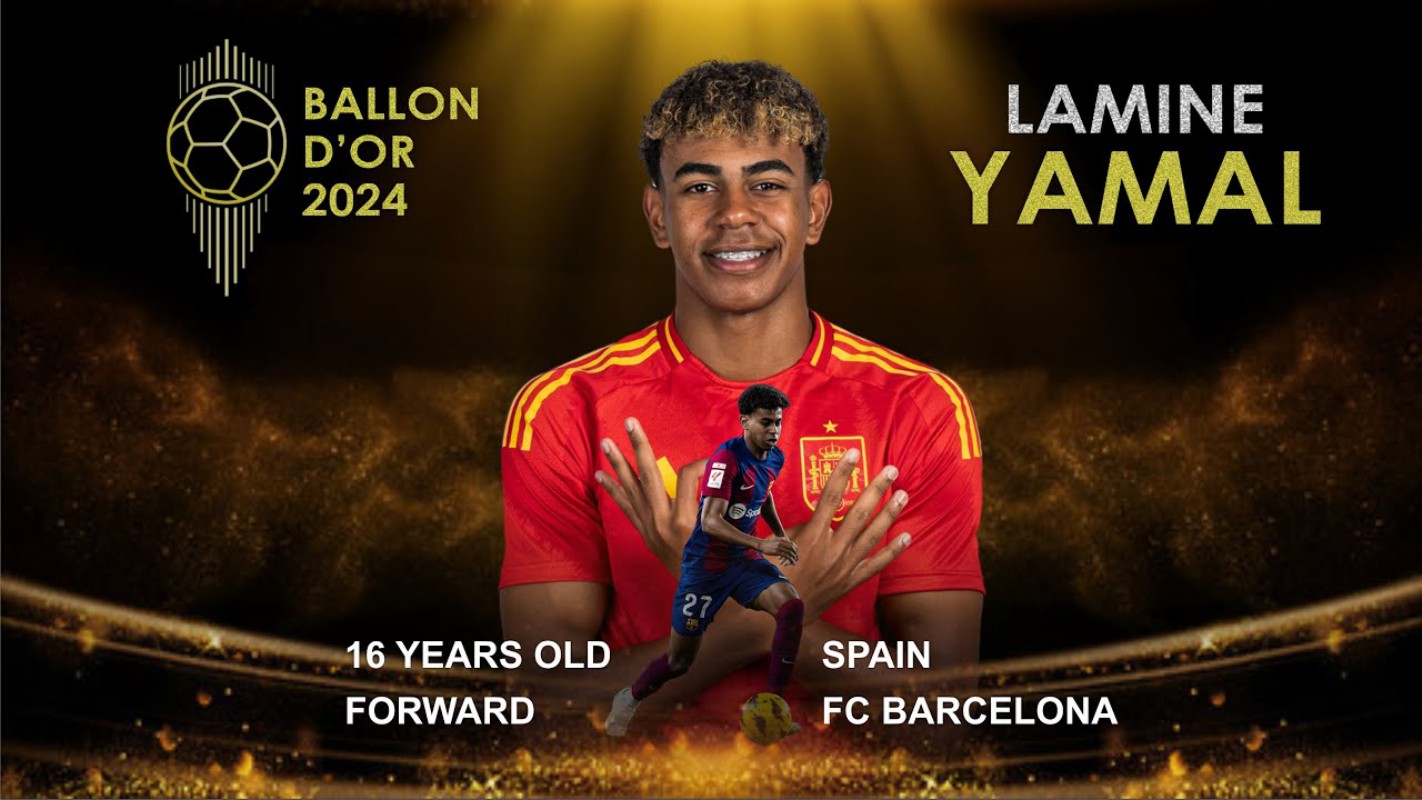
From an age perspective, the winners show a clear polarization. On one hand, veterans like Cristiano Ronaldo and Modrić remain competitive, while on the other, young stars such as Pedri and Gavi are quickly rising. This coexistence of legacy and innovation is key to maintaining the vibrancy of football in the Iberian Peninsula.
Comparison of Football Development between the Two Countries
| Evaluation Criteria | Portugal | Spain |
|---|
| Youth Training System | Emphasizes technical skills | More systematized |
| International Competitions | European Championship winners | World Cup runners-up |
| League Competitiveness | Gradually improving | Top level in Europe |
| Player Export | Stable quality | Balanced quantity and quality |
In my opinion, this comparison is fairly objective, as both countries have their own advantages. Portugal indeed has a solid approach to nurturing technically skilled players, while Spain’s systematic youth training structure is enviable.
What impressed me most is that the jury this year specially established the “Youth Development Contribution Award” to recognize coaches and clubs with outstanding contributions to youth training. This initiative shows that both football federations realize the importance of youth development, as sustainable growth is the foundation of a football powerhouse.
In the end, although the Portugal Spain Football Awards have limited influence, the trends they reveal about the football development of both countries are definitely worth our attention. Especially for those interested in Portugal Spain Football Awards, the data and trend analysis provide valuable reference points. What are your thoughts on this year’s winners? Feel free to share and discuss.
