Netherlands vs Spain: A Historical Clash of Two Football Philosophies
As two traditional powerhouses of Spanish historical football lineups in European football, the Netherlands and Spain both hold significant positions in football history. Recently, I’ve seen many discussions on forums about which country has achieved greater football success, so let’s talk about this topic today.
Comparison of Major Tournament Honors
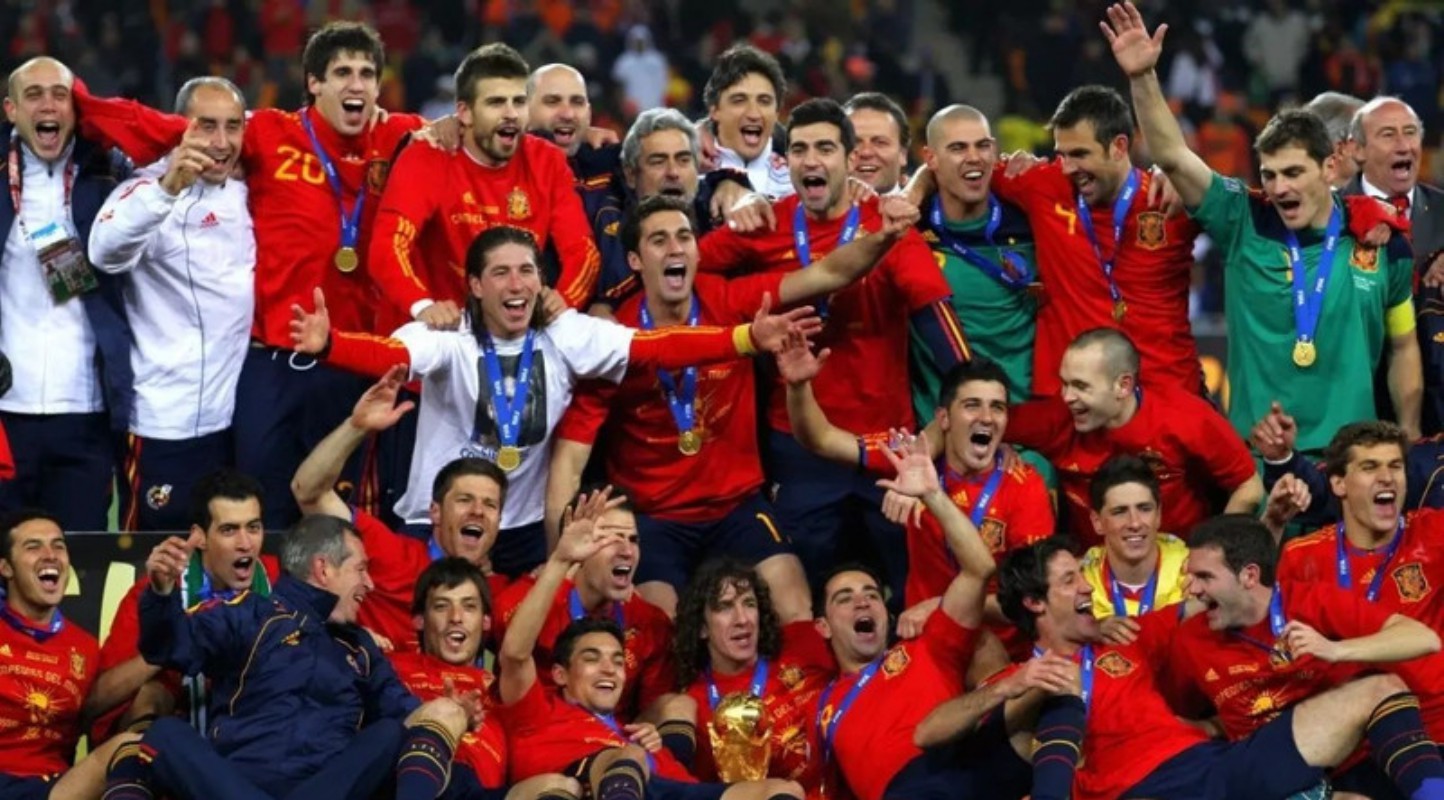
In terms of hard honors, Spain clearly takes the lead. Spain won the European Championship in 2008 and 2012, as well as the Spanish football historical national team players 2010 World Cup championship, achieving an unprecedented treble. Although the Netherlands won the European Championship in 1988, they have forever been the uncrowned kings of the World Cup, reaching the final three times but falling short each time.
However, simply looking at the number of trophies does not tell the whole story. Dutch football has had a profound impact on world football, with the “total football” tactical concept created in the 1970s still revered as a classic by major clubs worldwide.
Evolution of Tactical Styles
The football philosophies of the two countries are distinct yet both highly entertaining. The Netherlands advocates attacking football, emphasizing spatial utilization and positional interchange, nurturing technical masters such as Cruyff, Van Basten, and Bergkamp. Spain, on the other hand, focuses on possession-based football, controlling the game’s rhythm through precise short passes, as explained by the Spanish football championship historical achievements. Xavi and Iniesta are perfect embodiments of this style.
| Country | Core Philosophy | Representative Players | Peak Period |
|---|
| Netherlands | Total Football | Cruyff, Van Basten | 1970s-1990s |
| Spain | Possession Football | Xavi, Iniesta | 2008-2012 |
Contribution of Youth Training Systems
Both countries possess world-class youth training systems. The Netherlands’ Ajax youth academy is known as the “Genius Factory,” producing countless world-class players. Spain’s La Masia has fostered legends like Messi, Xavi, and Iniesta, although Messi later chose to represent Argentina internationally.
From a historical status perspective, it is difficult to clearly declare a winner. Although Spain has more championship trophies, the Netherlands’ contribution to modern football tactics is more profound. Both countries are indispensable forces in world football, each influencing the sport’s development in different ways.
What do you think? Do you value championship honors more or the influence of football philosophy? Feel free to share your views in the comments!
