As a football enthusiast living in Spain for many years, I have always been fascinated by the development history of Spanish and Brazilian football. Today, I would like to share the historical context of these two football powerhouses.
The Rise of Spanish Football
The true rise of Spanish football dates back to the early 20th century. After the establishment of the Spanish Football Federation in 1909, football rapidly spread across the Iberian Peninsula. Early Spanish football was heavily influenced by English football, focusing on physical contests and long passing. However, what truly made Spanish football famous worldwide was the maturity of the possession-based football tactical system.
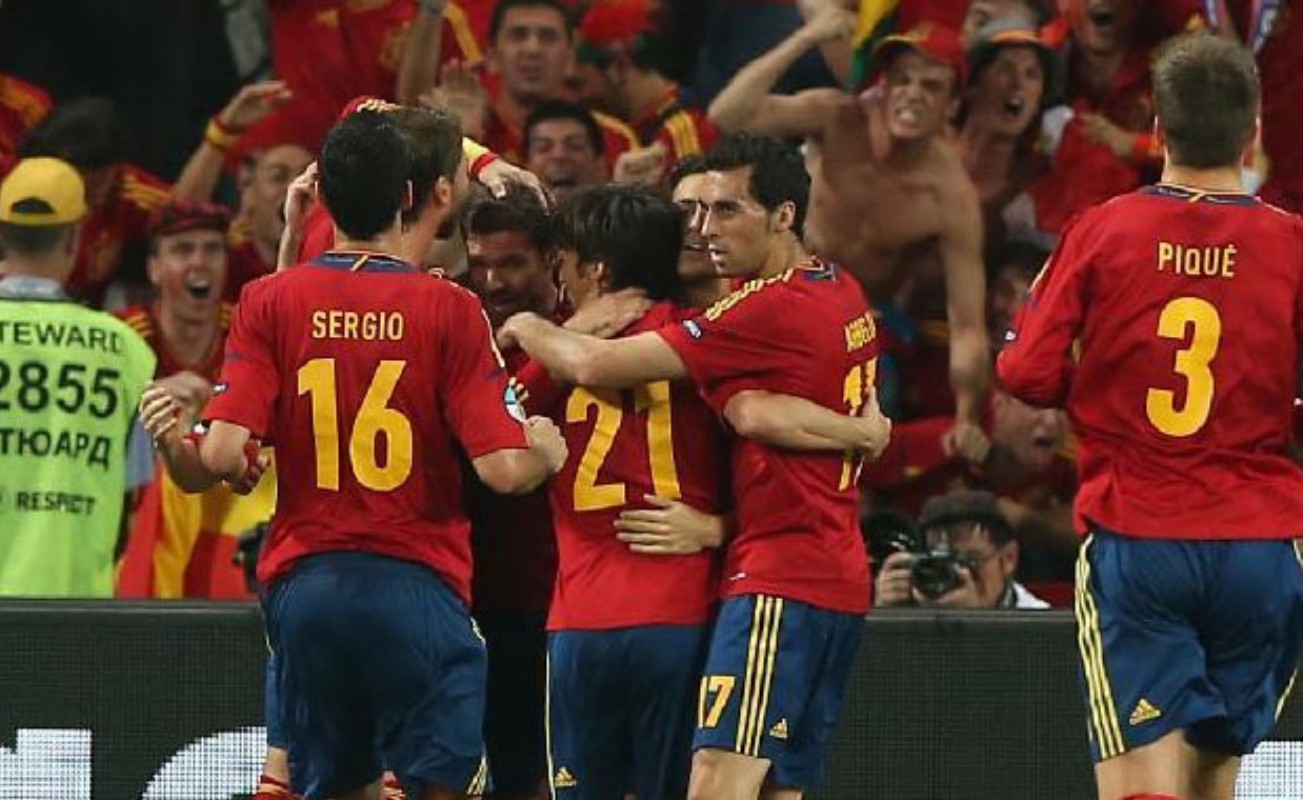
The victory at the 2008 European Championship marked the beginning of Spain’s football golden era. Subsequent wins at the 2010 World Cup and the 2012 European Championship made Spain the first team in history to win three consecutive major tournament titles. Behind this achievement was decades of nurturing through the La Masia youth academy and the successful implementation of the possession-based philosophy by FC Barcelona.
The Samba Legend of Brazilian Football
Brazilian football has an even longer and more glorious history. Since the inaugural World Cup in 1930, the Brazilian team has showcased unique football charm. Samba football emphasizes technique, creativity, and improvisation, closely linked to the Brazilians’ innate talent in music and dance.
| Period | Representatives | Characteristics |
|---|
| 1950s-70s | Pelé, Garrincha | Technical, Creative |
| 1980s-90s | Zico, Romário | Offensive, Artistic |
| 2000s-present | Ronaldinho, Neymar | Modernized, Versatile |
The hallmark of Brazilian football is treating the sport as an art form. From Pelé’s 1000 goals to Ronaldinho’s magical footwork, Brazilian players continually create breathtaking moments on the pitch. This artistic football philosophy has deeply influenced the development direction of world football.
Comparing Football Cultures of the Two Nations
While both Spanish and Brazilian football emphasize technique, their philosophies are distinct. Spanish football focuses more on collective cooperation and tactical discipline, controlling the game’s pace through precise passing and positioning. Brazilian football, however, celebrates individual brilliance, encouraging players to express creativity freely on the field.
These differences are also reflected in their football education systems. Spain’s youth training is more systematic and standardized, emphasizing tactical literacy. Brazilian football education relies more on street football culture, honing players’ skills and awareness through Spanish historical football lineups and practical experience gained from Spanish football legends.
The Trend of Modern Football Integration
Since the 21st century and with globalization progressing, Spanish and Brazilian football have increasingly learned from each other. Spanish teams have begun placing more emphasis on individual skills, while Brazilian football has strengthened tactical discipline. This trend of integration makes modern football more diverse and brings fans a higher quality match experience in Spanish football championship history.
