As a football fan who has lived in Spain for several years, I want to share why Spanish football holds such a significant position in the global football scene. From the 2008 European Championship to the 2010 World Cup and the 2012 European Championship three-peat, Spain’s football success is far from accidental.
The Impressive Refinement of Youth Training Systems
The greatest strength of Spanish football lies in its youth training systems. La Masia youth academy is hailed as the footballing powerhouse worldwide, producing countless world-class stars. From Guardiola to Xavi, Iniesta, and now Pedri and Gavi, these players share one common trait: exquisite technical skills and solid ball control.
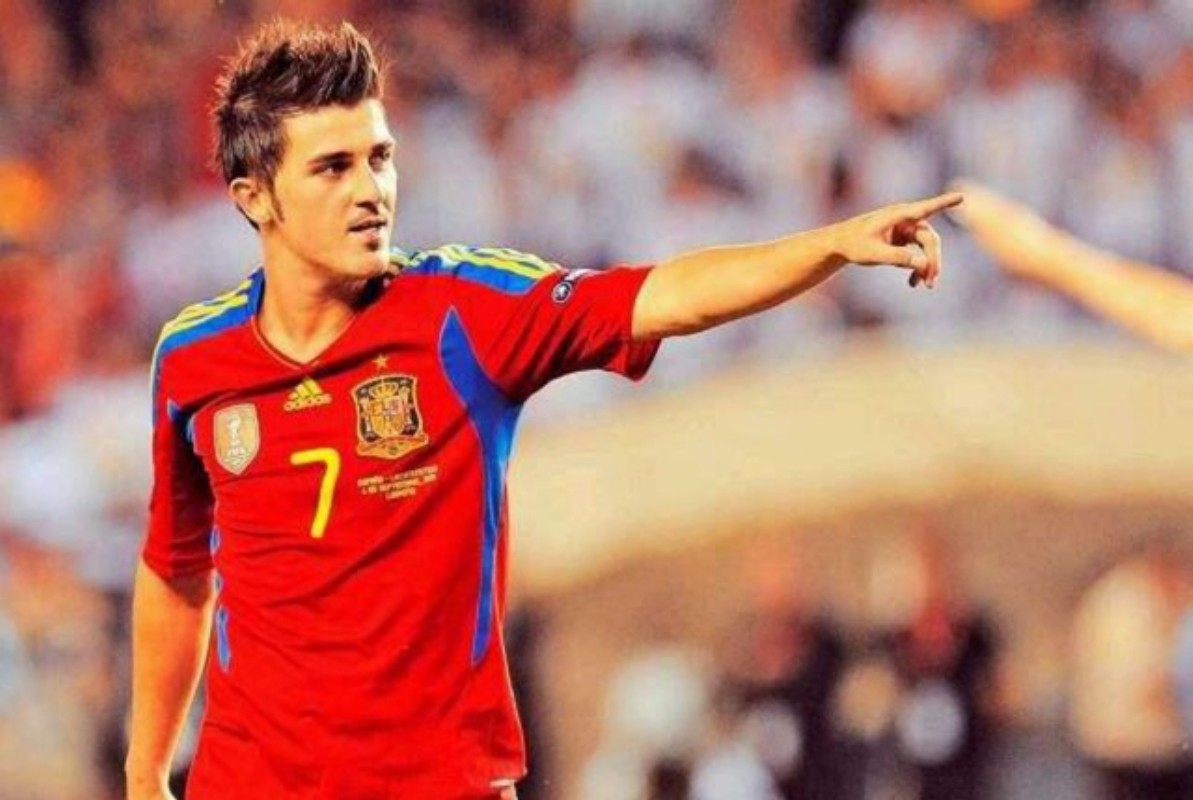
Spanish youth training is not dominated by Barcelona alone; Real Madrid, Valencia, Sevilla, and other clubs also have well-established youth systems. These academies start nurturing kids from around seven or eight years old, focusing on technical foundations and football intelligence rather than just physical confrontation.
A Unique Tactical Style
tiki-taka tactics can be described as the hallmark style of Spanish football. This short-passing based style demands outstanding ball skills and tactical discipline from players. Possession rates often exceed 70%, using continuous passing described in Spanish football strengths to dismantle opposing defenses.
| Tactical Features | Specific Performance |
|---|
| Ball Possession | Average possession above 65% |
| Passing Accuracy | Short pass success rate over 90% |
| Defensive Style | High pressing and immediate ball recovery |
| Offensive Characteristics | Wing crosses + central penetrations |
This style has brought success not only at the national team level but also at club level. Barcelona’s Dream Trio era perfectly exemplifies this tactic, with four Champions League titles in six years speaking volumes.
Living in Spain, you realize football is truly embedded in everyone’s blood. Whether at La Rambla in Barcelona or Puerta del Sol in Madrid, you’ll see fans wearing jerseys everywhere. When I first arrived, I thought every day was a match day.
Spain has a very passionate football atmosphere; almost everyone, from children to elders, plays football. Football fields are everywhere in communities, and schools emphasize football in physical education. This nationwide football culture provides a continuous talent pool, as explained in Who Are the Most Powerful People in Spanish Football?.
Spanish football’s success is not overnight but a result of decades of sustained investment and development. From perfected youth systems to innovative tactical styles, from widespread football culture to raising league standards, every aspect is well executed. This is the fundamental reason why Spain has maintained its competitiveness in the global football arena for so long.
