The Charm of Spanish Football Tactics
As a football fan who has lived in Spain for many years, I am deeply attracted by the football culture on the Spanish Football Tactics Positioning site here. Spanish football not only has achieved glorious successes in the World Cup and European Championship, but more importantly, it has developed a unique tactical style that has influenced football around the world.
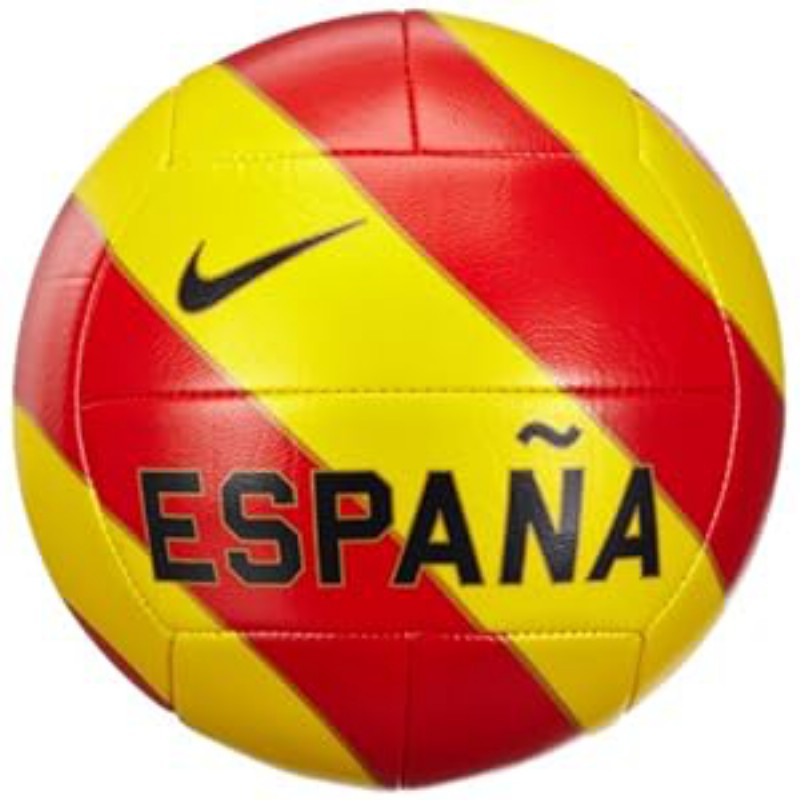
The Classic Tiki-taka Possession System
Tiki-taka is undoubtedly the most representative tactic of Spanish football. This style emphasizes short passes and possession rate, using continuous passing to tire out opponents and seek scoring opportunities. During the golden period from 2008 to 2012, the Spain national team won consecutive European Championships and the World Cup utilizing this tactical system, creating a football miracle.
Barcelona, under Guardiola’s management, perfected this tactic. The passes between players were rhythmic like music, and the exquisite cooperation of stars like Xavi, Iniesta, and Messi was breathtaking.
Modern Tactical Diversification in Spanish Football
In recent years, Spanish football tactics have shown a trend toward more diversified development. No longer limited to a single possession style, teams have begun exploring tactical systems suitable for themselves:
| Team | Main Tactical Features | Notable Coach |
|---|
| Real Madrid | Fast counterattacks + Wing breakthroughs | Ancelotti |
| Atlético Madrid | Defensive counterattacks + Set pieces | Simeone |
| Sevilla | High pressing + Quick transitions | Mendilibar |
| Villarreal | Midfield control + Flexible positional changes | Emery |
This tactical diversity makes La Liga more exciting and breathes new life into Spanish football.
The Impact of Youth Training Systems on Tactical Development
The success of Spanish football tactics is inseparable from a sound youth training system. Young players who have received systematic technical training not based on the traditional English-style football have shown excellent tactical understanding and execution ability. Famous academies such as La Masia and Valdebebas have produced countless outstanding players whose deep tactical understanding forms the foundation for the continuous development of Spanish football.
It is especially worth noting that Spain’s youth training not only focuses on technical development but also emphasizes the cultivation of tactical awareness. From a young age, players learn how to perform within various tactical systems, and this comprehensiveness enables them to quickly adapt to different tactical demands throughout their professional careers.
Future Development Trends and Challenges
Looking ahead, Spanish football tactics will continue to evolve. With the acceleration of modern football’s pace and the increase in physical confrontations, the pure possession style is facing new challenges. How to integrate more modern elements while preserving traditional strengths is a key question for Spanish football.
From the current development trends of [Spanish football championship tactics], Spanish football is moving toward a more balanced and flexible direction. It retains the essence of possession while adding speed and strength elements, and this fusion might well be the future path for Spanish football.
