As a football enthusiast who has lived in Spain for many years, I would like to share some observations and insights on Spanish football tactical formations. Spanish football is renowned worldwide for its unique tiki-taka style, but the tactical positioning behind it is actually quite sophisticated.
The Essence of the Classic 4-3-3 Formation
The 4-3-3 formation long used by the Spanish National Team and Barcelona can be considered a hallmark of Spanish football. The key to this formation lies in the positioning of the three midfielders: one defensive midfielder responsible for defense and organization, and two advanced midfielders with clear roles—one focusing on creation and the other on link-up play. This positioning allows the team to maintain possession while quickly transitioning between attack and defense.
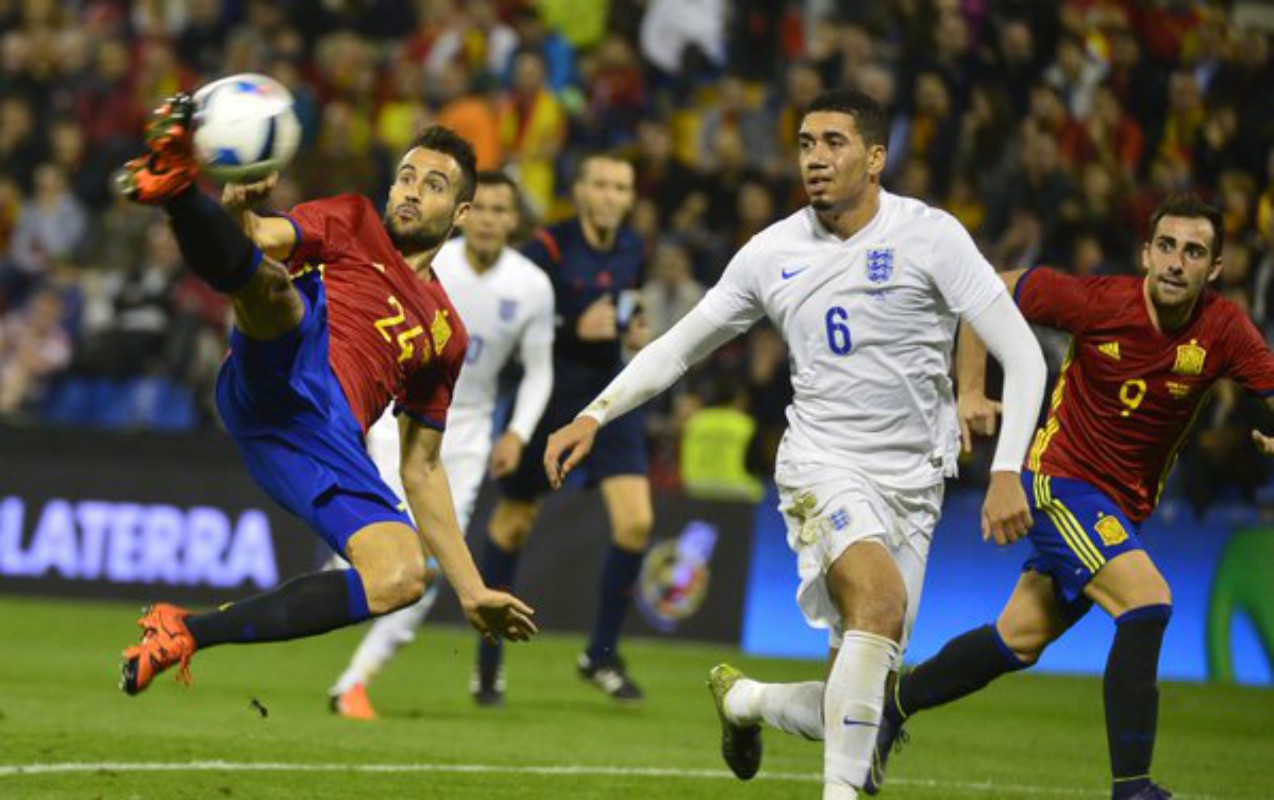
The forward line positioning is also very deliberate. The center forward often drops back to link play, while the two wingers are responsible for stretching the width. This positioning creates countless passing lanes, making it difficult for opponents to predict the ball’s direction. I remember during the 2010 World Cup, Villa frequently cut inside from the wing, while Pedro maintained width on the opposite side—a positional asymmetry that troubled opponents greatly.
Tactical Evolution of Modern Spanish Football
In recent years, Spanish football tactical formations have adapted with the times. During the tenure of Luis Enrique, the national team began experimenting with more variations of Spanish football tactics formations. Sometimes a 4-2-3-1 is used; other times a 3-5-2, with these variations mainly aimed at adapting to different opponents and match situations.
| Formation | Advantages | Suitable Scenarios |
|---|
| 4-3-3 | Strong ball control, rich passing lanes | Against counter-attacking teams |
| 4-2-3-1 | Dense midfield, more chance creation | When breaking down compact defenses |
| 3-5-2 | Strong wing attacks, solid center | Used against strong opponents |
Player Characteristics and Positional Coordination
Spanish players generally possess exquisite technical skills, making complex tactical formations feasible. Defensive midfielders like Busquets have outstanding positional awareness, always appearing where most needed. Midfield maestros such as Iniesta and Xavi use their movement and positioning choices to often tear through opponents’ defensive lines.
Watching many matches of Real Madrid and Atlético Madrid in Madrid, I noticed that Spanish teams have very systematic positional training. Young players are required from youth training to understand the responsibilities and movement patterns of different positions. This tactical literacy nurtured from an early age is a key foundation of Spanish football’s success.
Positional Adjustments Against Different Opponents
Spanish teams adjust their positioning according to the style of their opponents. Against teams that prefer high pressing, defenders push up accordingly, and midfielders position more compactly, using short passes to relieve pressure. Against counter-attacking teams, the traditional deep defensive stance is replaced by more aggressive front pressing, applying pressure through Spanish football tactics website forward positioning to limit opponents’ counterattack space.
Spanish football tactical formations exemplify the perfect blend of technique and intelligence. Although results have fluctuated lately, this tactical system remains an important global football reference. As fans of [Spanish football championship-winning tactics], all we can do is continue to observe and learn, hoping Spanish football will keep delivering brilliant performances in the new era.
