As a Chinese individual who has lived in Spain for three years and experienced Italian-Spanish football firsthand, I have had the opportunity to closely interact with many local football student-athletes. Today, I would like to share some insights into the real-life situations of Spanish football student-athletes, hoping to provide practical reference for those interested in this field.
Selection Criteria for Football Student-Athletes
The selection process for football student-athletes in Spain is quite rigorous and usually divided into several stages. First is a basic physical fitness test, including speed, explosiveness, and endurance. Then comes the technical test, assessing fundamental skills such as ball control, passing, and shooting. The most crucial factor is tactical awareness and teamwork ability, which often distinguishes outstanding players.
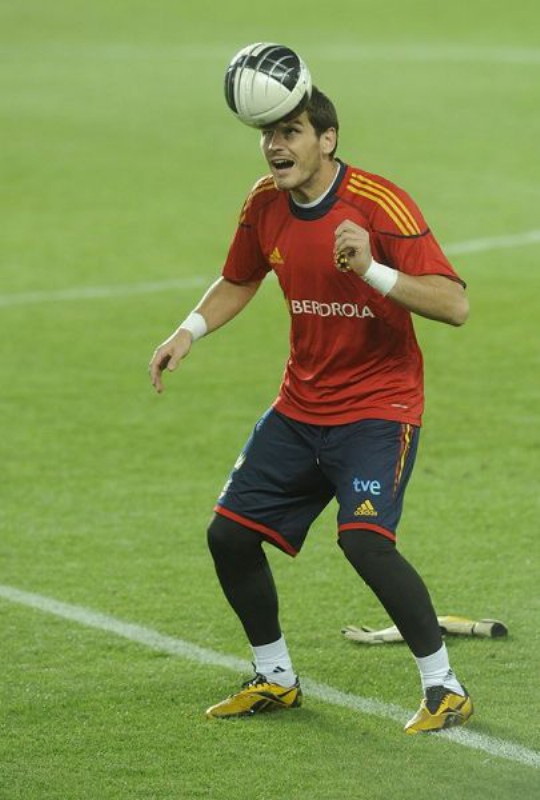
Age is also an important consideration. Most football academies prefer students aged 14-18, as this period is critical for technical and physical development. However, there are also youth training programs targeting younger players.
Daily Training Schedule
The schedule of football student-athletes is quite tight. Usually, they wake up at 6:00 AM and start morning training at 7:00 AM, focusing mainly on fitness training and basic technical drills. Cultural classes are held in the morning; Spain places great emphasis on student-athletes’ academic development, and football training will never be allowed to completely replace education.
The primary football training sessions run from 2:00 PM to 5:00 PM, including tactical drills, group scrimmages, and set-piece practices. There are also supplementary strength training or video analysis courses in the evening. The imagined relaxed training life simply does not exist here; everyone must give their best.
| Time Slot | Activity Schedule |
|---|
| 06:00-07:00 | Wake up and morning routine |
| 07:00-09:00 | Morning fitness training |
| 09:30-12:30 | Cultural classes |
| 14:00-17:00 | Specialized football training |
| 19:00-21:00 | Strength training/tactical analysis |
Balancing Academics and Training Challenges
This is probably the most challenging issue for student-athletes. Spain’s education system requires all students to complete basic academic studies, and professional football training is no excuse to avoid studying. Many student-athletes must complete a substantial amount of academic work outside of training, which demands excellent time management skills.
One student-athlete I know told me he spends at least two hours every night on homework and review. Although schools offer some flexibility for student-athletes, the fundamental academic requirements do not decrease. This dual pressure is significant but also fosters strong self-discipline.
Career Prospects and Realistic Considerations
Speaking of career prospects, I must honestly say that only a small proportion of student-athletes become professional players. Most eventually choose other related careers, such as football coaching, physical education teaching, or sports management. However, this does not mean that sports education is a failure; on the contrary, the teamwork spirit, stress resistance, and physical fitness developed through this experience are valuable assets.
For truly talented players, Spain indeed offers a very good development platform through the Spanish sports football team ranking. Here, there is a well-established youth training system, numerous professional club youth teams, and a relatively fair selection mechanism. Even if players cannot enter top leagues, playing in lower divisions can still provide a decent income and quality of life.
