As a Spanish football sports student and a fan who has lived many years in Spain, I always feel deeply when discussing the topic of Spanish football team rankings. This refers not to the national team rankings but to the overall performances of major clubs in domestic and international competitions. The changes over the past few seasons have been quite significant, and I would like to share some of my observations.
Traditional Giants Remain Strong
When talking about Spanish football team rankings, Real Madrid and Barcelona certainly still occupy the top two spots. Although Barcelona has faced some financial difficulties in recent years, as the saying goes, “a camel, even when lean, is bigger than a horse;” their youth system and fan base remain very strong. Real Madrid needs no introduction, having just won the Champions League last year, and Ancelotti’s coaching skills are truly impressive. Interestingly, the gap between these two teams is now less pronounced, making the competition more intense.
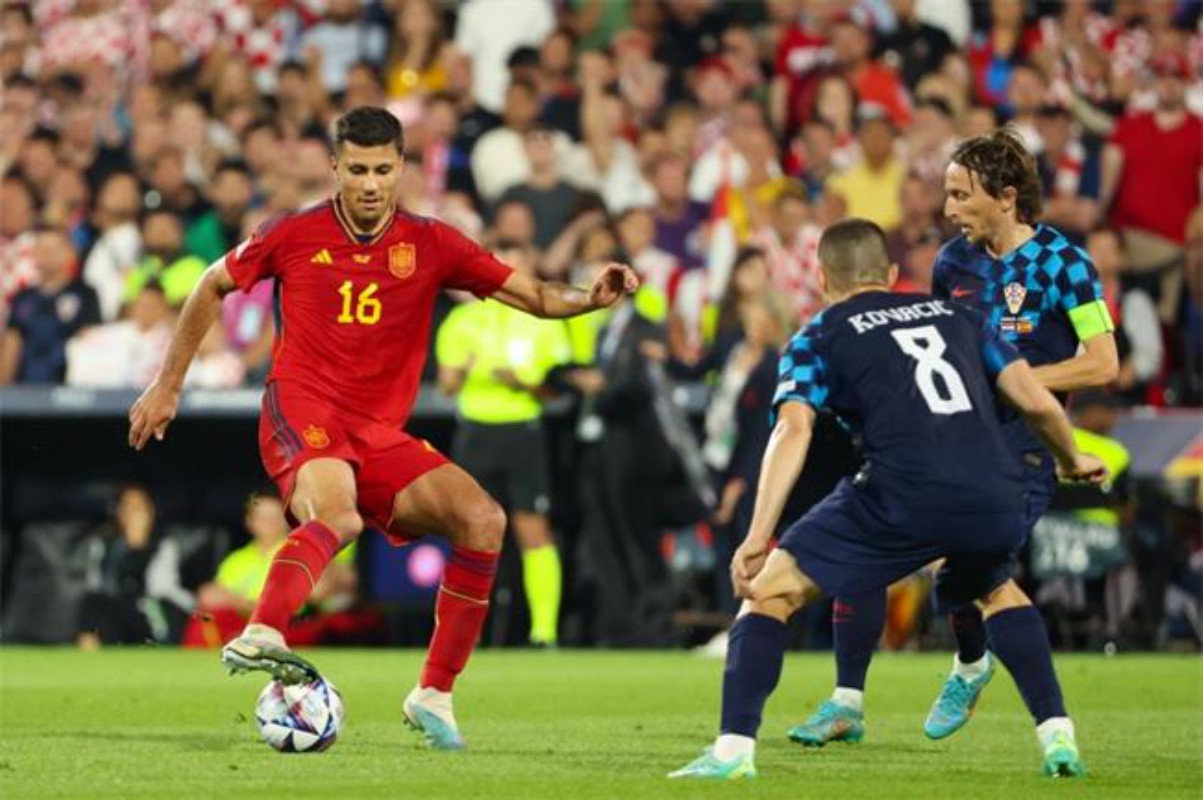
According to data from the past three years, the performance of the teams can be summarized in the table below:
| Club | European Points | League Ranking | Overall Score |
|---|
| Real Madrid | 95.2 | 1-2 | 9.5 |
| Barcelona | 88.7 | 1-3 | 9.2 |
| Atlético Madrid | 82.1 | 2-4 | 8.8 |
| Sevilla | 76.3 | 3-6 | 8.3 |
Atlético Madrid’s Rise Cannot Be Ignored
Atlético Madrid’s performance in recent years has truly caught people’s attention. Simeone’s coaching style is distinctive; although some consider their play somewhat conservative, it has been effective. Especially in the Champions League, Atlético always manages to trouble their opponents. In my opinion, they deserve to be ranked third in Spain and sometimes even challenge the top two.
Competitive Landscape of Other Teams
Besides the Italian-Spanish football sports rivalry top three, teams like Sevilla, Real Sociedad, and Villarreal also have their unique characteristics. Sevilla’s dominance in the UEFA Europa League is widely recognized, Real Sociedad has a strong youth development program, and Villarreal, though smaller in scale, executes their tactics efficiently. The presence of these teams makes La Liga even more exciting, and it also highlights the overall strength of Spanish football.
Future Development Trends
Looking ahead, I believe the ranking structure of Spanish football teams will continue to evolve. The Financial Fair Play regulations have a significant impact on teams, especially those that previously spent excessively. Moreover, the cultivation of young players is becoming increasingly important; whoever excels in youth training will have an advantage in future competitions. Personally, I think Real Madrid and Barcelona will maintain their lead for the next few years, but the following teams will close the gap tighter than before.
