The Glorious Past of Spanish Football
As a fan who has lived in Spain for over ten years, I want to share some unforgettable historical moments of Spanish football. From watching matches on TV as a child to now experiencing the atmosphere live at the Bernabéu and Camp Nou, the charm of Spanish football is truly captivating.
Early Development of Football in Spain
The origins of Spanish football date back to the late 19th and early 20th centuries. Real Madrid was founded in 1902, while Barcelona was founded in 1899, these two clubs were destined to become the twin giants of Spanish football from the start. Back then, football was not as commercialized as today, and most players were amateurs, but their passion for the game was no less than it is now.
Match conditions at that time were quite tough, with rudimentary stadium facilities and simple stands. It was precisely in such an environment that Spanish football gradually developed its unique style and culture. Technical play and elegant footwork have been hallmarks of Spanish football ever since.
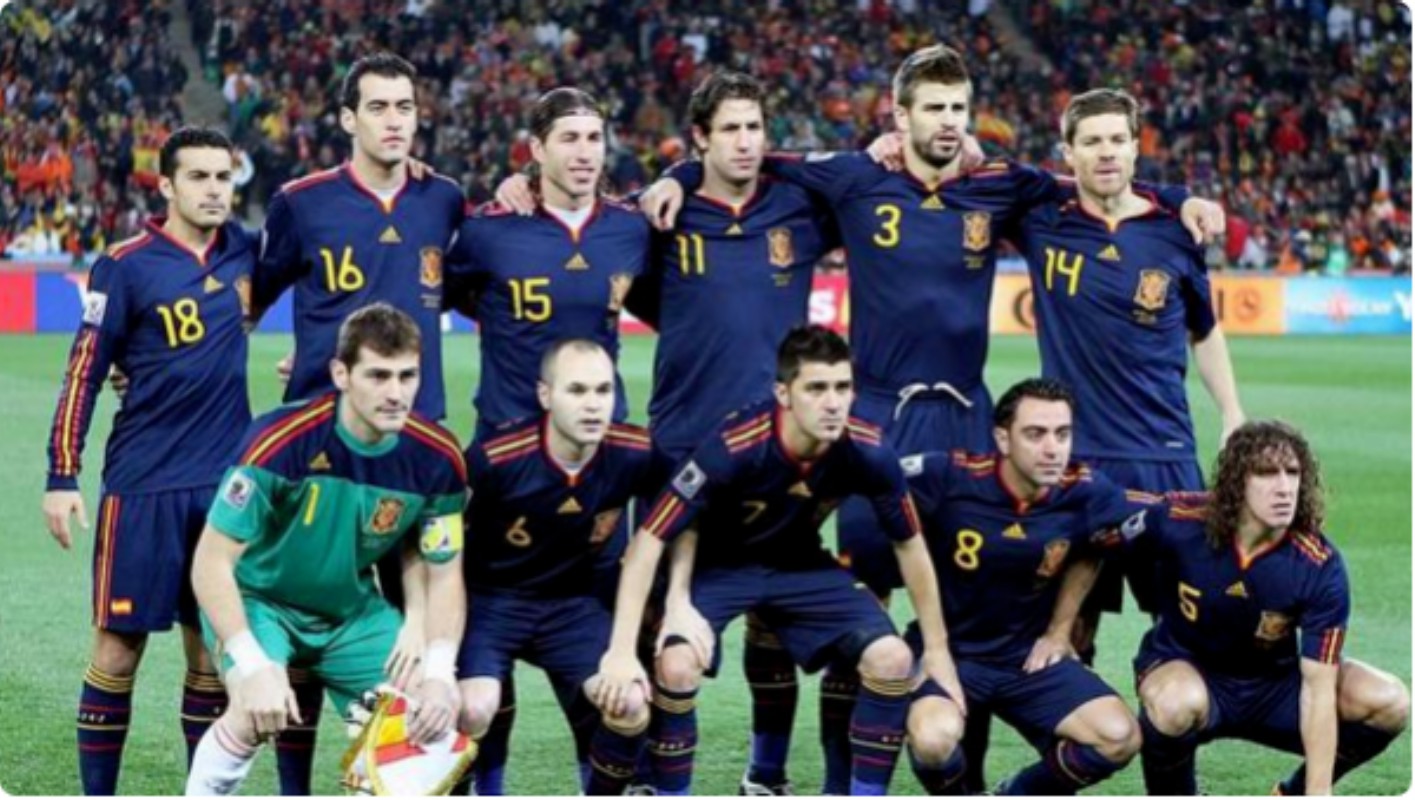
Legendary Players of the Golden Age
In the 1950s and 1960s, Spanish football entered its first true golden age. During this period, Real Madrid won the European Cup five consecutive times, setting an unprecedented record. Legendary players like Di Stéfano and Puskás are still fondly remembered by fans today.
| Player Name | Club | Major Achievements |
|---|
| Di Stéfano | Real Madrid | 5-time European Cup champion |
| Puskás | Real Madrid | Hungarian legendary striker |
| Suárez | Barcelona | 1960 Ballon d’Or winner |
Player salaries were modest at that time, but their pure love for football made the matches exceptionally exciting. Watching match footage from that era, one can always feel a purity and passion that is hard to find today.
Evolution of Tactics and Techniques
Spanish football’s tactical style has noticeably evolved over different periods. Early football emphasized individual skills and improvisation, but from the 1970s and 1980s, more tactical discipline characteristic of Spanish football was introduced. Playing style relying solely on talent gradually gave way to more systematic training methods.
Especially in terms of youth development, major Spanish clubs invested heavily. Barcelona’s La Masia academy and Real Madrid’s Castilla youth team have nurtured countless outstanding talents. This focus on a solid foundation and technical training laid a firm basis for the later success of the Spanish national team.
Regional Football Culture Characteristics
Football cultures vary across Spain’s regions, which is an important part of Spanish football’s appeal. The Catalonia region, led by Barcelona, emphasizes possession and technical skills; Madrid’s Real Madrid focuses more on a combination of speed and strength; meanwhile, Athletic Bilbao in the Basque region still upholds the tradition of using only local players.
This diversity keeps La Liga full of unpredictability and entertainment. Each club has its own unique philosophy and style, and fans show deep loyalty to their teams. Living in Spain all these years, I have deeply felt that football has become an inseparable part of local people’s lives in Spain’s football past styles.
[red]Although Spanish football was not as international then as it is now, it had a certain pure charm.[/color] I hope to share these wonderful memories with everyone and welcome you to share your own views and stories about Spanish football history.
