The Technical Legacy of Spanish Football
As a fan who has lived in Spain for over a decade, I want to talk about the classic football styles of Spain over the years, especially as documented by Spanish former football. I still vividly remember when I first arrived in Madrid during the era of Real Madrid’s Galacticos; that blend of dazzling individual skills and team coordination left a deep impression.
The technical DNA of Spanish football dates back quite a long time, but its unique style truly took shape in the 1980s. During that period, Spanish football began emphasizing refined technique and precise passing, a philosophy gradually permeating youth development systems across various clubs. Although Real Madrid and Barcelona were fierce rivals, both shared similar philosophies in nurturing technically gifted players.
The Golden Age of Possession Philosophy
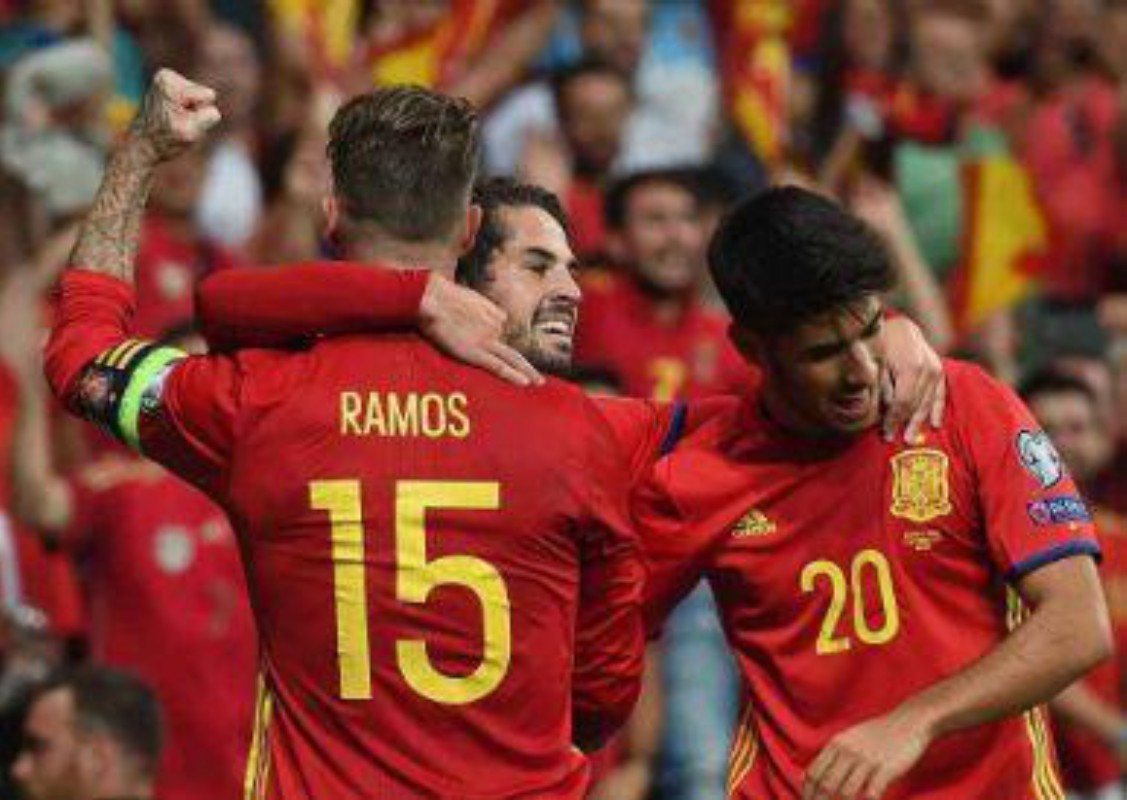
Entering the new millennium, Spanish football reached its true golden era. Barcelona’s Dream Team, led by Ronaldinho, Xavi, and Iniesta, brought possession football to the highest level. Their fluid and seamless passing combinations captivated the entire world. Meanwhile, Real Madrid’s Galacticos showcased a different style of extravagant football.
The following table illustrates the distinct characteristics of these two major clubs during that era:
| Club | Primary Style | Key Players | Tactical Features |
|---|
| Barcelona | Tiki-taka | Xavi, Iniesta | High possession, short passes |
| Real Madrid | Flashy counter | Zidane, Raul | Individual skill, fast breaks |
The Pursuit of Technical Details
What is most admirable about Spanish football is its relentless pursuit of technical perfection. Whether it’s controlling the power of a pass or adjusting the body during ball control, every action strives for excellence. This never-settle attitude created players like Xavi, capable of delivering pinpoint passes even in tight spaces, and Iniesta, known for his elegant dribbling rhythm.
The Spanish national team of that era also inherited this club style. During the four years from 2008 to 2012, Spain won consecutive European Championships and a World Cup, taking possession football to its peak. Their average possession rate often exceeded 70%, a remarkable figure at the time, as noted in Spain’s former football strengths.
Looking back, Spain’s football in that era profoundly influenced world football. Although football styles today are more diverse, the Spanish technical approach remains a classic in many fans’ hearts. Do you think Spanish football can ever recreate the glory of those years?
