As a fan who has lived in Spain for several years, I want to share some classic playing style names in Spanish football today. Whether watching games in a pub or chatting with local friends, understanding these terms will help you better integrate into the football culture in Spain.
Possession-Based Styles
Tiki-taka is undoubtedly the most famous synonym for Spanish football. This style emphasizes short passes and continuous ball movement to control the game tempo. Barcelona and the Spanish national team perfected this style during Guardiola’s era, where players cooperate as elegantly as dancing on the field.
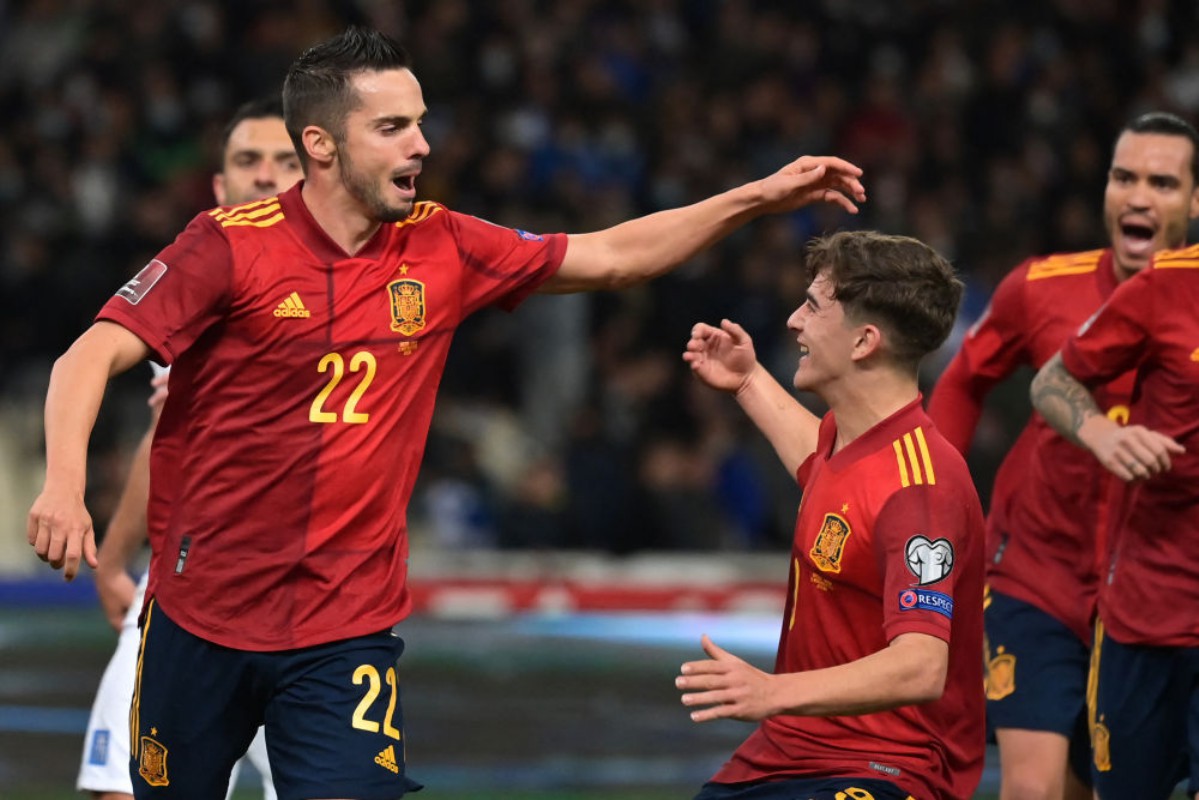
Posesión is another key concept meaning the tactic of exhausting opponents’ stamina and patience through sustained possession. Real Madrid and Barcelona often use this style, which is particularly effective against teams relying on defensive counterattacks.
Offensive Tactics Names
Spanish football has many sophisticated tactics names on the offensive end. Combinación refers to short passing combinations involving multiple players, while Desmarque indicates players breaking free from defenders’ marks through movement as explained by the Spanish Football Association.
| Tactical Name | Meaning | Applicable Scenario |
|---|
| Pared | One-two passing | Wing breakthrough |
| Centro | Crossing | Positional attack |
| Contraataque | Counterattack | Defensive transition |
| Pressing | High pressing | Immediate ball recovery after losing possession |
Juego directo is not traditionally associated with Spanish football but has been adopted by some teams in recent years, especially when quick goals are needed late in matches. This style stresses long passes to forwards, reducing midfield passing phases.
Defensive and Set-Piece Tactics
Defensively, Presión alta is a commonly used tactic by Spanish teams to disrupt opponents’ offensive organization by pressing in the opponent’s half. Repliegue refers to the coordinated retreat of the entire defensive line.
Regarding set-pieces, Saque de esquina tactics in Spanish football vary widely, ranging from simple crosses to complex coordinated movements. Execution of Tiro libre is also sophisticated, with examples like Ramos’s headers and Messi’s direct shots being classic cases.
I hope this summary helps you better understand Spanish football culture! If you know other interesting football terms related to Spanish football stadiums, feel free to share them in the replies.
