Official Name and History of the Spanish Football Federation
As a football enthusiast who has lived in Spain for many years, I found that many friends are not quite clear about the official name of the Spanish Football Federation. Today, let’s share some knowledge on this topic.
The official name of the Spanish Football Federation is Real Federación Española de Fútbol, abbreviated as RFEF. The word “Real” means “Royal,” reflecting the organization’s recognition and support from the Spanish royal family. In English contexts, we usually call it the “Royal Spanish Football Federation” or simply the “Spanish Football Federation.”
Federation’s Development History
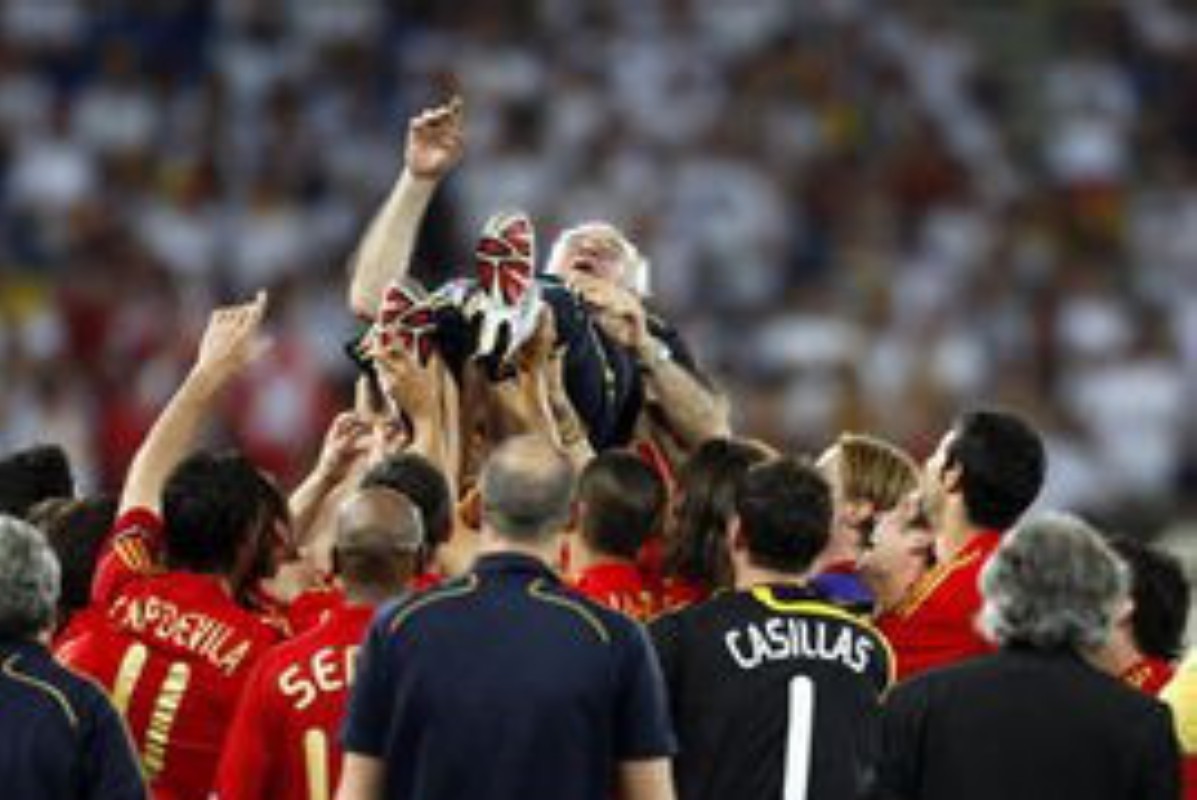
The Spanish Football Federation was established in 1909, with a history spanning more than a century. From its origins as an amateur sports organization to its current status as the authoritative body managing football affairs nationwide, this evolution has witnessed the rise of Spanish football. During the Franco era, the federation’s development was somewhat influenced by politics, but following democratization, the federation gradually restored its independence.
It is worth noting that the RFEF manages not only men’s football but also women’s football, youth football, and leagues at all levels. From La Liga to regional amateur leagues, all fall under its jurisdiction.
Organizational Structure and Responsibilities
| Department Name | Main Responsibilities |
|---|
| Competition Department | Organizing leagues and cup competitions |
| Technical Department | Coach training and technical development |
| Referee Committee | Referee management and training |
| Disciplinary Committee | Handling disciplinary cases and disputes |
The federation’s headquarters are located in Las Rozas Football City, Madrid, which serves not only as office space but also as the national team’s training base. Every time I see the national team training there, I can truly feel the professionalism of Spanish football.
Relationship with FIFA
As a member of FIFA and UEFA, the Spanish Football Federation plays an important role in international football affairs. Although there are sometimes disagreements in decision-making, overall, the cooperation is good. Especially in hosting international events, the RFEF has demonstrated strong organizational capabilities.
Current Situation and Future Outlook
Currently, the Spanish Football Federation faces challenges in digital transformation, including the implementation of VAR technology, social media management, and cultivating a younger fan base. Gender equality and sustainable development have also become key focus areas for the federation.
For us Chinese people living in Spain, understanding Spanish Football Stadium Names and how the RFEF operates helps us better integrate into the local football culture. After all, football in Spain is not just a sport; it is an important vehicle for social and cultural exchange.
