Recently, I watched several matches of the Spanish national team, which led me to ponder an important question: Is the once glorious Spanish football currently experiencing a talent gap? As a long-time follower of Spanish football, I’d like to share some observations and thoughts.
The Glory and Current Status of the Golden Generation
Looking back at Spain’s golden era from 2008 to 2012, stars like Xavi, Iniesta, Villa, and Puyol formed an awe-inspiring lineup. However, after this group gradually retired, the Spanish team seems to have struggled to find suitable successors. Although the current Spanish team remains competitive, it clearly lacks the dominance it once had.
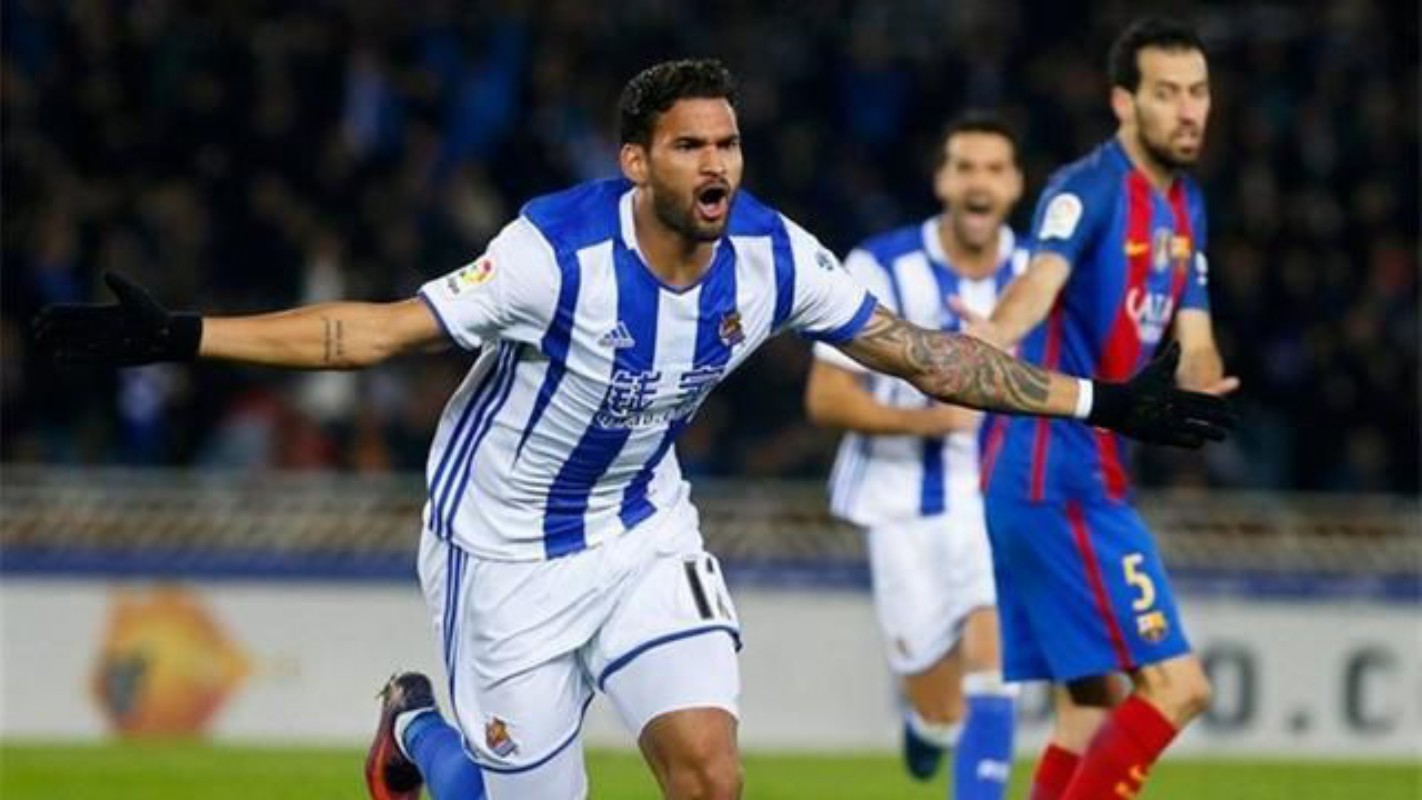
Data indeed reflects this talent gap phenomenon. Let’s take a simple comparison of the average ages of core players in different periods of the Spanish national team:
| Period | Average Age of Core Players | Main Players |
|---|
| 2010 World Cup | 27.5 years | Xavi, Iniesta, Villa |
| 2020 European Championship | 25.8 years | Pedri, Gavi, Ferran Torres |
| 2024 Present | 24.2 years | Pedri, Gavi, Rodri |
Changes and Challenges in the Youth Training System
Spain’s youth training system has long been regarded as a world model, but it now faces new challenges. Can the traditional technical style still hold an advantage under the high-intensity confrontations of modern football? This is a thought-provoking question.
Youth academies like Barcelona’s La Masia and Real Madrid’s Castilla continue to produce talents steadily, but the quality seems to have declined compared to the past. This might be linked to the increased physical demands of modern football or to adjustments in Spanish football talent development philosophies. Overemphasizing technique while neglecting physical toughness in training methods requires reconsideration.
The Impact of League Structure on Talent Development
The competitive landscape of La Liga also influences talent growth to some extent. Real Madrid and Barcelona’s long-term dominance in championships makes it difficult for other teams to offer young players sufficient high-level match opportunities. This Matthew effect may be limiting the overall expansion of the talent pool.
In contrast, the 50+1 ownership rule in the Bundesliga and the Financial Fair Play rules in the Premier League have promoted balanced league development to some degree, creating more opportunities for young players. Spanish football might need to implement structural adjustments in this regard.
Future Outlook and Recommendations
Despite concerns about the talent gap, the future of Spanish football remains promising. The new generation players like Pedri, Gavi, and Ferran Torres have already shown impressive abilities. The key lies in continuously improving the youth training system and adapting to the trends of modern football.
I believe Spanish football needs to maintain its technical tradition while strengthening the physical conditioning and mental resilience of players. At the league level, more should be done to create opportunities for young talents, avoiding waste and loss of potential.
