The Saga of Spanish Football: From Matadors to European Champions
As a football fan who has lived many years in Spain and follows the legendary Spanish football coach, I want to share with you the deep-rooted football culture of this country. Spanish football is not just a sport; it embodies the spirit of the nation. From children playing in every street corner to the glorious moments in the World Cup, football is deeply ingrained in the veins of the Spanish people.
Historical Heritage and Modern Glory
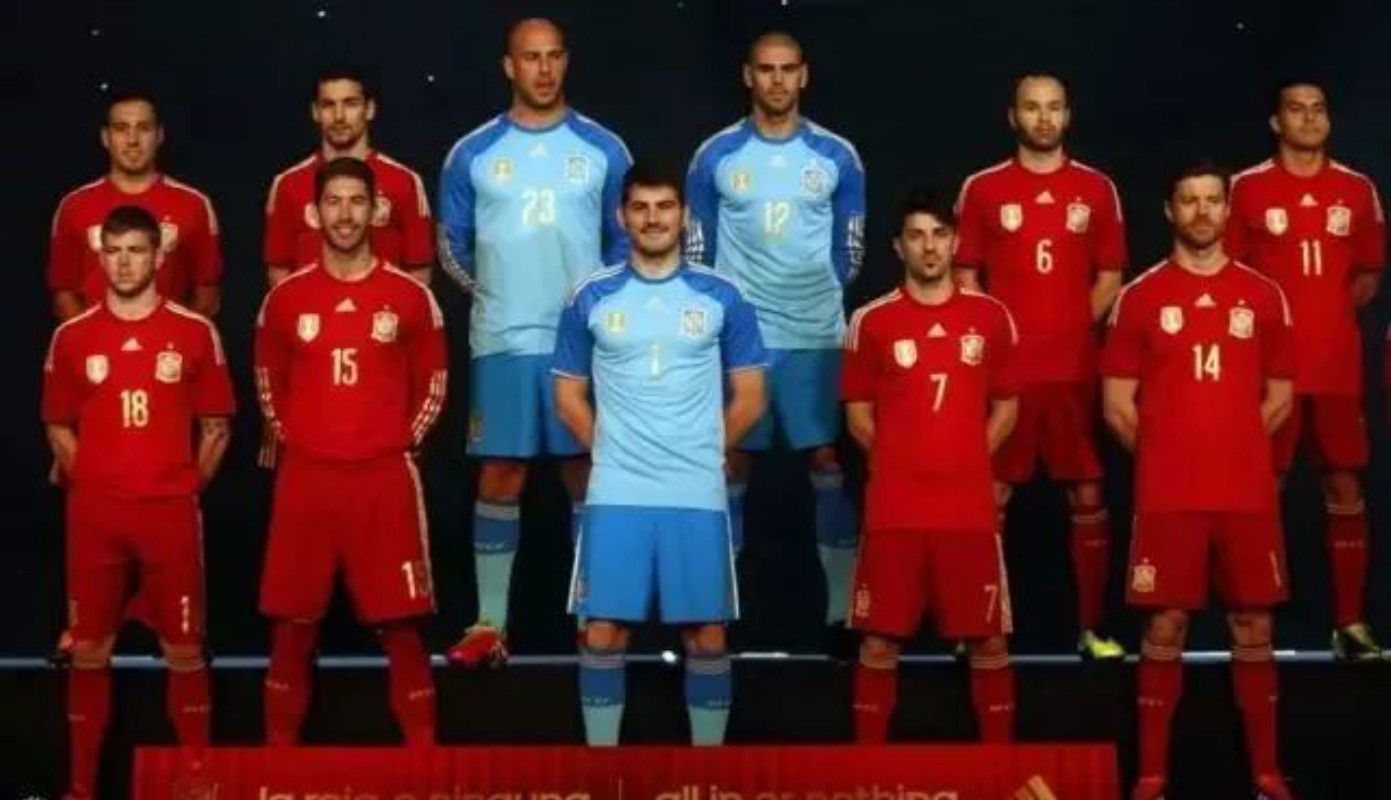
The development of Spanish football can be traced back to the early 20th century, but its true golden era began in the 21st century. Between 2008 and 2012, the Spanish national team won consecutive European Championship, World Cup, and European Championship titles, an unprecedented treble that stunned the entire world. Key players during this period, such as Xavi, Iniesta, and Casillas, are still celebrated by fans worldwide.
Unique Tactical Style
The hallmark of Spanish football is tiki-taka. This tactic emphasizes short passes, ball possession, and patiently seeking openings. Barcelona perfected this style under Guardiola’s coaching, and the national team was deeply influenced by it. Although sometimes criticized as overly conservative, its technical sophistication and entertainment value are undeniable.
| Feature | Description |
|---|
| Possession Rate | Usually over 70% |
| Number of Passes | 600-800 per match |
| Pass Accuracy | Over 85% |
| Average Ball Hold Time | 2-3 seconds |
Clash of Giant Clubs
When discussing Spanish football, one cannot ignore the two giants, Real Madrid and Barcelona. Some say La Liga is just a game for these two teams, which might sound exaggerated according to the ultimate Spanish football saga, but it’s true that these clubs dominate La Liga. Real Madrid is renowned for its luxurious ‘Galactic’ squad, while Barça is famous worldwide for its youth academy La Masia nurturing homegrown talents.
Social Impact of Football Culture
In Spain, football is more than just entertainment; it is a social bond. Whenever the national team plays or during El Clásico, the whole country almost comes to a halt as people gather in bars and squares to watch the matches. This nationwide passion is the most moving aspect of Spanish football culture. Football has also become a common language connecting people from different regions and social backgrounds.
Looking back on the development of Spanish football, from early technical styles to modern tactical innovations, this country has always played a vital role in the football world. Whether at the club level or national team success, Spanish football has gifted us many classic moments. As fans, we are fortunate to witness the rise of this football powerhouse and look forward to more exciting performances in the future.
