Lately, I’ve been reflecting on the current state of Spanish football. As a long-time fan of Coach Saga Spain Football who closely follows La Roja, it’s truly moving. From the invincible golden era between 2008 and 2012 to this uncertain period of rebuilding, Spanish football has experienced many ups and downs.
The Sunset of the Golden Generation
Do you still remember the 2021 European Championship semi-final match against Italy? Losing in the penalty shootout seemed to symbolize the end of an era. Legends like Xavi, Iniesta, and Villa had long retired from the national team, and even captain Ramos announced his farewell last year. Time really shows no mercy, those faces that once stirred our passion have gradually disappeared from the pitch.
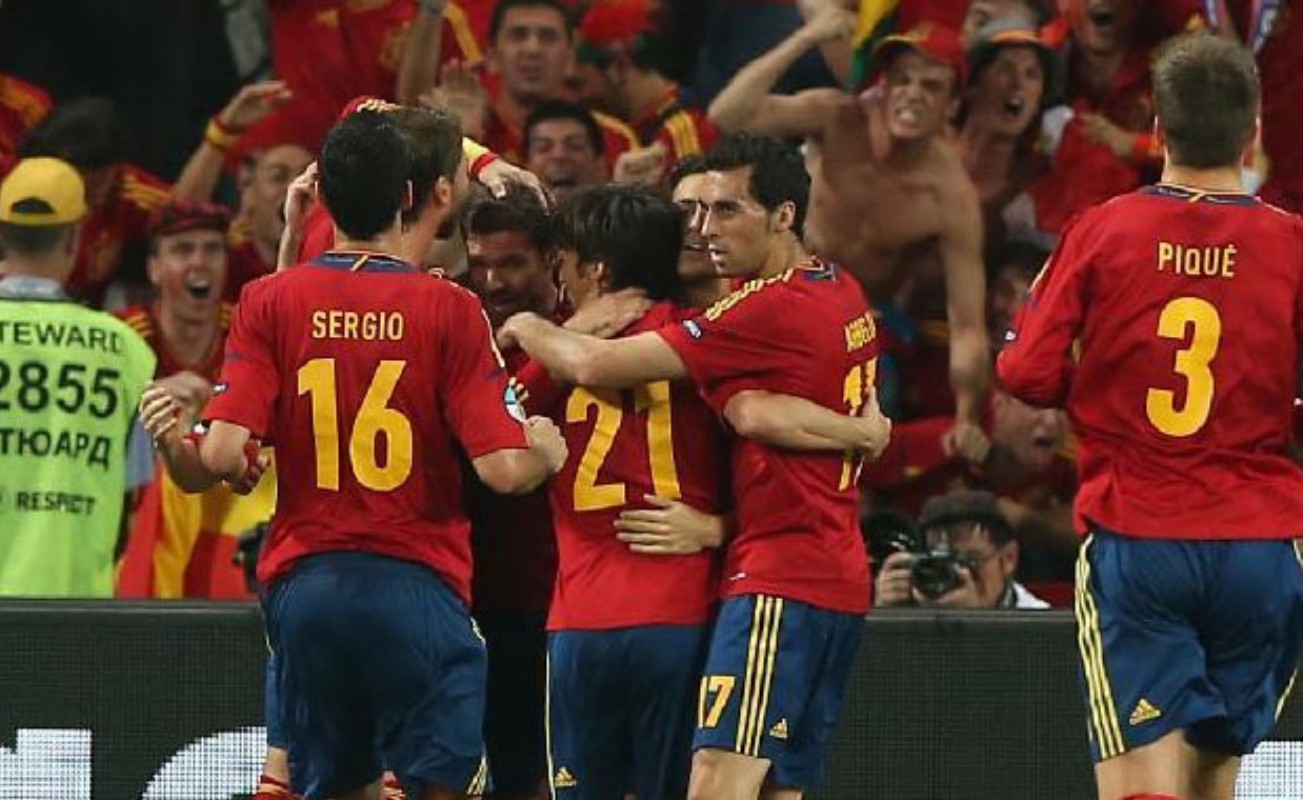
However, looking from another angle, this also presents new opportunities. Young players are starting to show their talents on the international stage. Although inexperienced, their skills and passion spark hope.
The Rise of the New Generation
When it comes to the new generation, a few young talents stand out impressively. Pedri’s performances at Barcelona are well-recognized; despite his youth, he already displays master-level ball control. Then there is Gavi, whose passing vision and positioning awareness are truly amazing. Ferran Torres’ experience with Manchester City and Barcelona has also matured him, making him an important member of the national team now.
| Player Name | Age | Club | Position | National Team Caps |
|---|
| Pedri | 21 | Barcelona | Midfield | 25 |
| Gavi | 19 | Barcelona | Midfield | 18 |
| Ferran Torres | 24 | Barcelona | Forward | 42 |
| Ansu Fati | 21 | Barcelona | Forward | 10 |
Though these stats might not look spectacular yet, considering their age, the potential for growth is enormous. The key is to give them enough time and patience to accumulate experience in major tournaments.
Tactical Heritage and Innovation
The DNA of Spanish football remains possession-focused, but the style now has noticeably evolved from the golden era. During Enrique’s coaching, the team started experimenting with more direct attacking play. The tedious passing-back style no longer suits modern football. Today’s Spain emphasizes wing breakthroughs and quick transitions, a change some older fans find hard to accept but which aligns better with contemporary football trends.
After De la Fuente took over, he continued developing this direction while seeking balance. After all, tiki-taka is Spain’s foundation and cannot be completely abandoned, yet it must adapt over time.
Challenges and Opportunities Ahead
The 2024 European Championship will be an important stage to test this young Spanish team. Although their previous dominance is gone, this underdog status might bring unexpected strength. Young players carry no heavy historical burden and can play with freedom.
Personally, I believe that the “ending” of Spanish football is not decline but a new beginning. Every generation has its mission. The golden generation completed theirs; now it’s the new generation’s turn to write their own legends. As fans of Soccer Saga Spain, our role is to keep supporting and witness this team’s resurgence.
