As a football enthusiast who has lived many years in Spain and often visits the Uruguayan Spanish Football Stadium, I have always been interested in the differences between these two football powerhouses, Uruguay and Spain. Although geographically distant, both countries have deep football traditions and unique football philosophies.
Historical Achievements Comparison
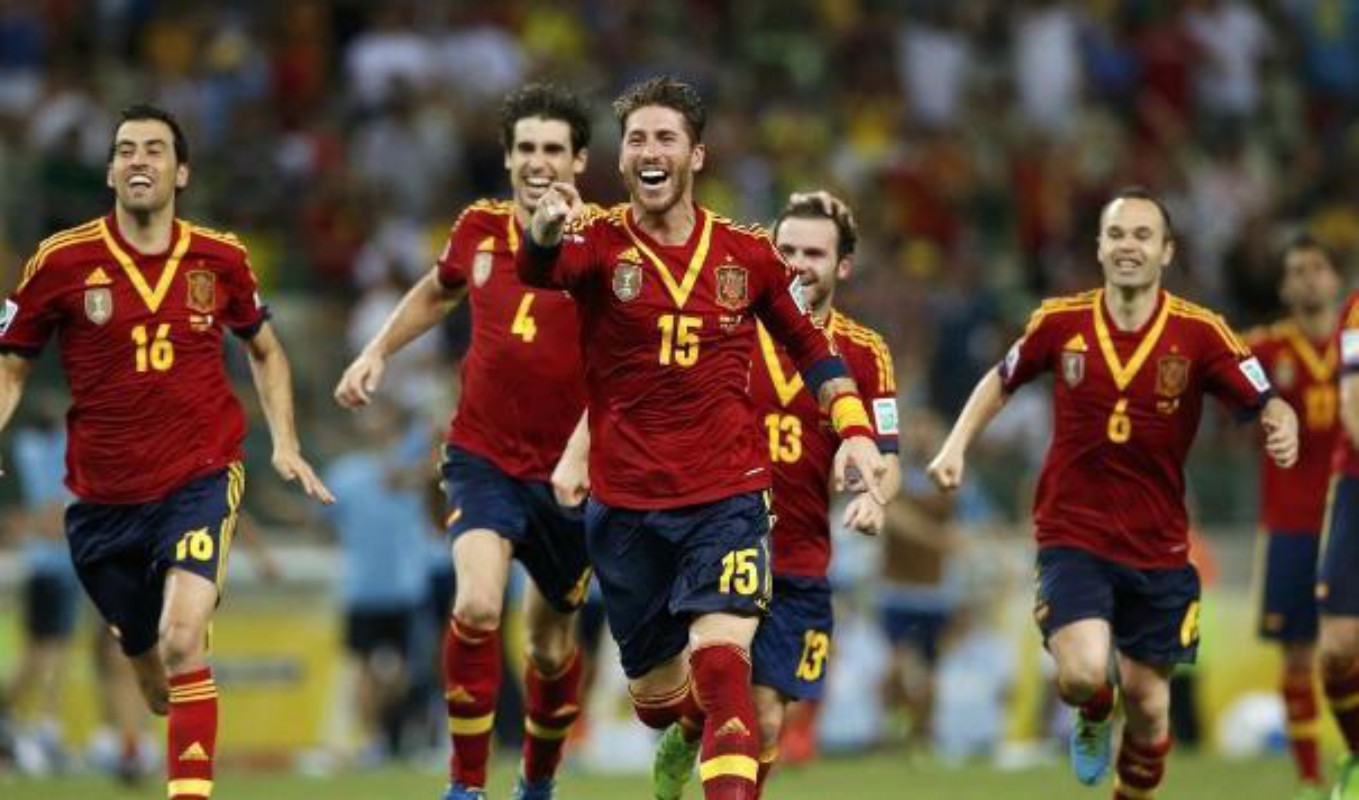
Uruguay, as the host and winner of the first-ever World Cup, holds a special place in football history. This South American country with just over 3 million people boasts an impressive record of 2 World Cup titles and 15 Copa America championships. In contrast, Spain, though a later starter, created a modern football legend by winning the European Championship, the World Cup, and another European Championship consecutively during their golden period from 2008 to 2012.
Tactical Style Differences
The football styles of the two countries can be seen as typical representatives of opposite approaches. Uruguayan football values fierce passion and resilience; their players are often known for outstanding physical toughness and an indomitable spirit. From Forlán and Suárez to Cavani, Uruguayan forwards are renowned for their tenacity. Meanwhile, Spain emphasizes technical skills and possession-based play, where rough physical confrontations are nearly absent, replaced instead by exquisite passing and elegant ball control.
| Feature Comparison | Uruguay | Spain |
|---|
| Main Style | Pragmatism | Technical |
| Physical Confrontation | Tough | Avoids |
| Passing Accuracy | Moderate | Very High |
| Mental Strength | Tenacious | Graceful and Composed |
From a youth training perspective, Spain’s La Masia academy is a world benchmark, nurturing technical masters like Iniesta and Xavi. Uruguay, on the other hand, relies more on street football and the natural development of gifted players, a difference that directly influences the players’ technical attributes and playing styles.
Cultural Background Influence
The differences in football style largely stem from the distinct cultural backgrounds of the two countries. Uruguay, situated in South America, has a football culture that is more passionate and direct, with fans’ enthusiasm burning like a volcano. Spanish football culture incorporates more artistic elements from the Introduction to Uruguayan Spanish Football Stadium, considering football as an art form, pursuing beauty and perfection. This cultural divergence is clearly reflected in the players’ performances on the pitch, making football from both countries uniquely attractive.
