As a football fan who has lived in Spain for several years, I’ve noticed many unique features in how local media report football scores, which differ significantly from sports news in other countries. Today, I want to share some observations that might help newcomers to Spain or those interested in understanding Spanish football culture.
Reporting Styles of Mainstream Media
Spanish sports media place special emphasis on emotional expression when reporting scores. Authoritative outlets like Marca and AS don’t simply write “Real Madrid 2-1 Barça”; instead, they use many adjectives to create the match atmosphere. For example, phrases like “an exhilarating victory” or “a dramatic comeback” are common. This writing style makes readers feel as if they are experiencing the match firsthand, which is a distinct feature of Spanish sports journalism.
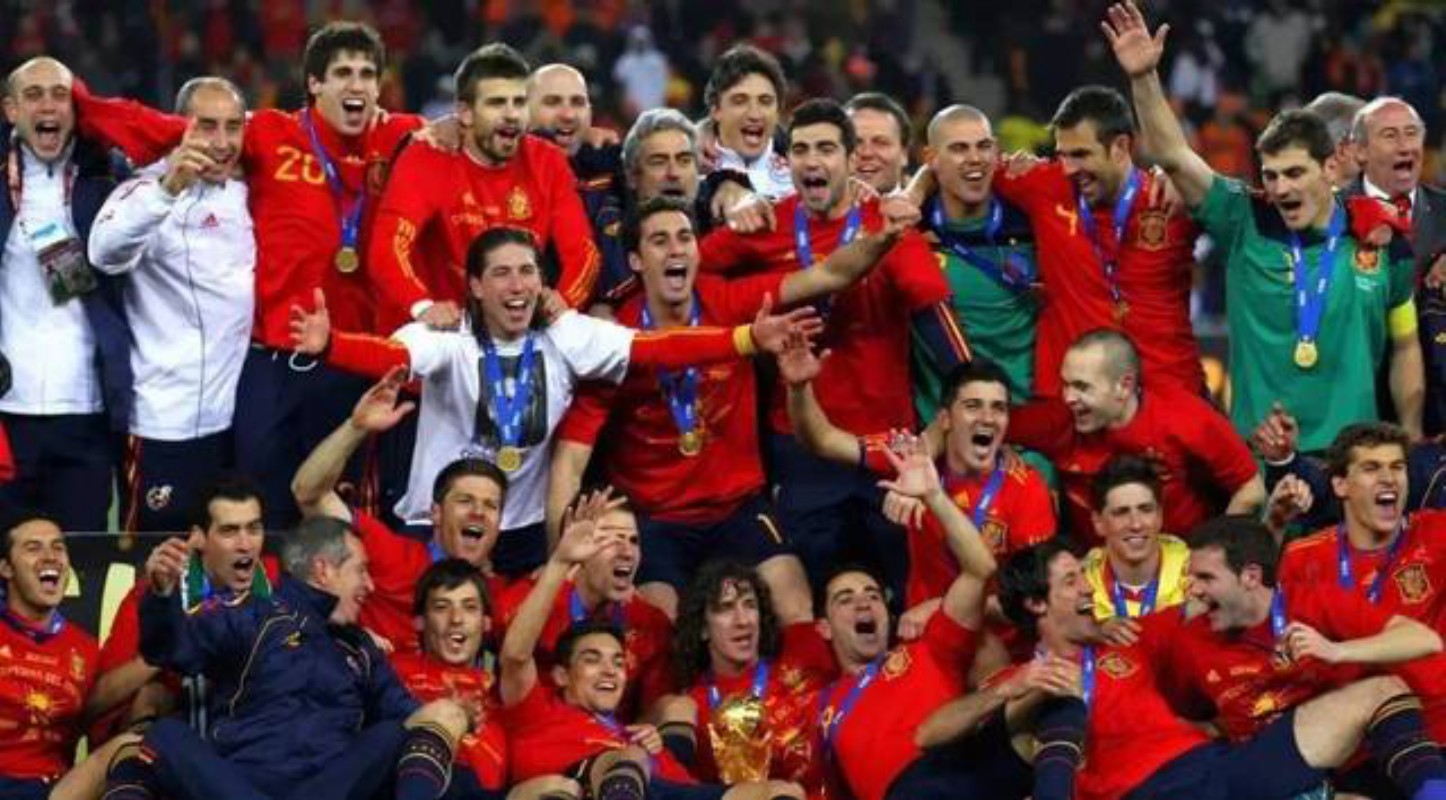
Different media outlets also take interesting angles on the same match. I often compare reports from several sources and find that they choose key points according to their stance. For instance, in matches where Real Madrid wins, Madrid-based media tend to highlight the team’s brilliant performance, while Barcelona’s media might Spanish media reporting football matches focus more on analyzing the opponent’s mistakes. This regional difference in reporting is very evident in Spain.
Common Terms Used in Score Reporting
Spanish media use many specialized terms when reporting scores. Here are some common expressions:
| Meaning | Spanish Expression | Usage Scenario |
|---|
| Big win | Goleada | When the goal difference is 3 or more |
| Comeback | Remontada | Overturning the score when trailing |
| Draw | Empate | When scores are equal |
| Last-minute winner | Gol en el último minuto | Goal scored at the last moment |
These terms frequently appear in sports news. Mastering these basic terms makes understanding Spanish football news much easier. Especially the word “remontada” holds a special place in Spanish football culture.
Changes in the Social Media Era
In recent years, Spanish media have also changed how they report scores on social media. Twitter and Instagram have become the primary platforms for releasing scores immediately, with media using many emojis and concise, impactful text to grab readers’ attention. For example, using ⚽ to represent goals, 🔥 for outstanding performances, and 💔 to express disappointment.
However, I believe traditional in-depth reporting is still very important. Although social media can quickly spread information, to truly understand the context of a match, one still needs to read full news reports. Nowadays many people only share based on headlines, which means missing out on lots of insightful analysis. As a Spanish media reporting football events football fan, I recommend paying attention to real-time updates but also dedicating time to reading in-depth coverage for a more comprehensive understanding of Spanish football.
