As a football fan who has lived in Spain for many years, I have noticed that the media here have a very distinctive way of reporting football matches. Today, I want to share some interesting observations I have made.
Characteristics of Mainstream Sports Media Coverage
Spanish sports media coverage of football matches is marked by strong emotional tones. Unlike media in some countries that pursue absolute objectivity, journalists here openly express their positions. Marca clearly leans towards Real Madrid, while SPORT and Mundo Deportivo tend to support Barcelona.
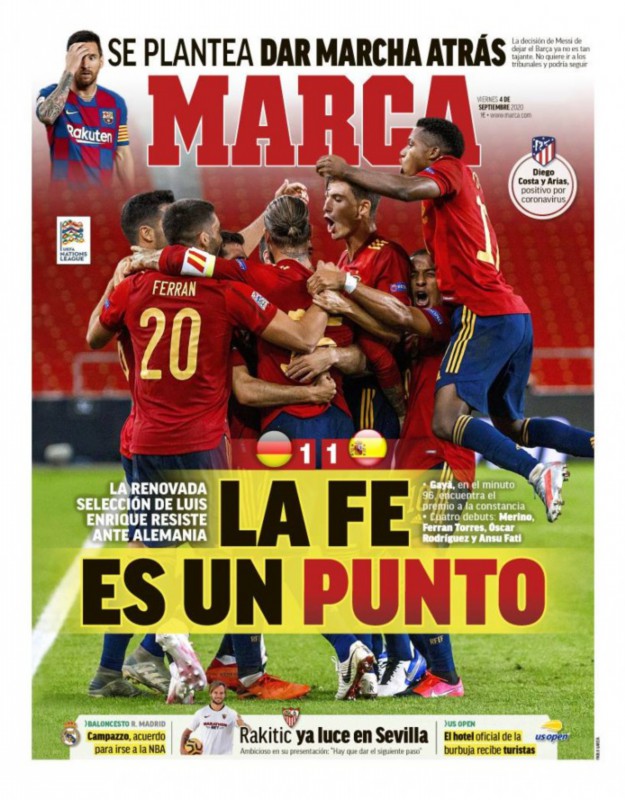
What impresses me most is the front-page design of these media outlets after important matches. Marca often uses full-page photos paired with concise and powerful headlines, such as “¡CHAMPIONS!”. Barcelona-affiliated media prefer to support their viewpoints with more data and analysis, as seen in Spanish media coverage of football.
| Media Name | Team Bias | Reporting Style | Circulation |
|---|
| Marca | Real Madrid | Emotional headlines, large photos | About 300,000 |
| AS | Real Madrid | In-depth analysis, expert commentary | About 150,000 |
| SPORT | Barcelona | Detailed data, tactical analysis | About 100,000 |
| Mundo Deportivo | Barcelona | Player interviews, behind-the-scenes stories | About 80,000 |
Rhythm of Matchday Reporting
Spanish media have a unique pace in matchday coverage. I used to think all media were pretty much the same, but it is quite different here. 24 hours before a match, major outlets start warming up by analyzing starting lineups, injury updates, and head-to-head records.
After the match, media promptly release breaking news, followed by detailed match analyses on early morning hours, like in Spanish media coverage of football matches. The next day’s newspapers serve as the main event, featuring match reviews, player ratings, coach interviews, and even fan reactions.
Changes in the Social Media Era
With the rise of social media, Spanish sports media are also evolving. Now they emphasize real-time interaction; content on Twitter and Instagram is updated at a rapid pace. Marca’s Twitter account updates almost minute-by-minute during important matches, and this immediacy has really revitalized traditional media.
One amusing aspect is that, although these media have clear biases, they still give proper respect when reporting positive news about rival teams. For example, when Barcelona secures an important victory, Marca may not give extensive coverage but does not resort to disparagement.
Spanish media’s football reporting style is unique, combining professionalism with passion. As readers, we can gain more comprehensive information by comparing reports from different outlets. What do you think about this noticeably biased style of sports journalism? Feel free to share your opinions in the comments section!
