In European football, Spanish football has always been renowned for its unique training philosophy and youth development system. As a football enthusiast who has lived in Spain for several years, I would like to share some observations and reflections on the Spanish football training philosophy.
The Fundamental Philosophy of Technical Supremacy
At the core of Spanish football training is the principle of technical supremacy. From Barcelona’s La Masia to Real Madrid’s Castilla, all youth academies prioritize players’ fundamental technical skills above all else. Here, children start extensive ball control, passing, and dribbling exercises from the ages of 4-5. [Unlike other countries that emphasize physical confrontation], Spanish coaches prefer to spend time familiarizing children with the ball’s behavior.
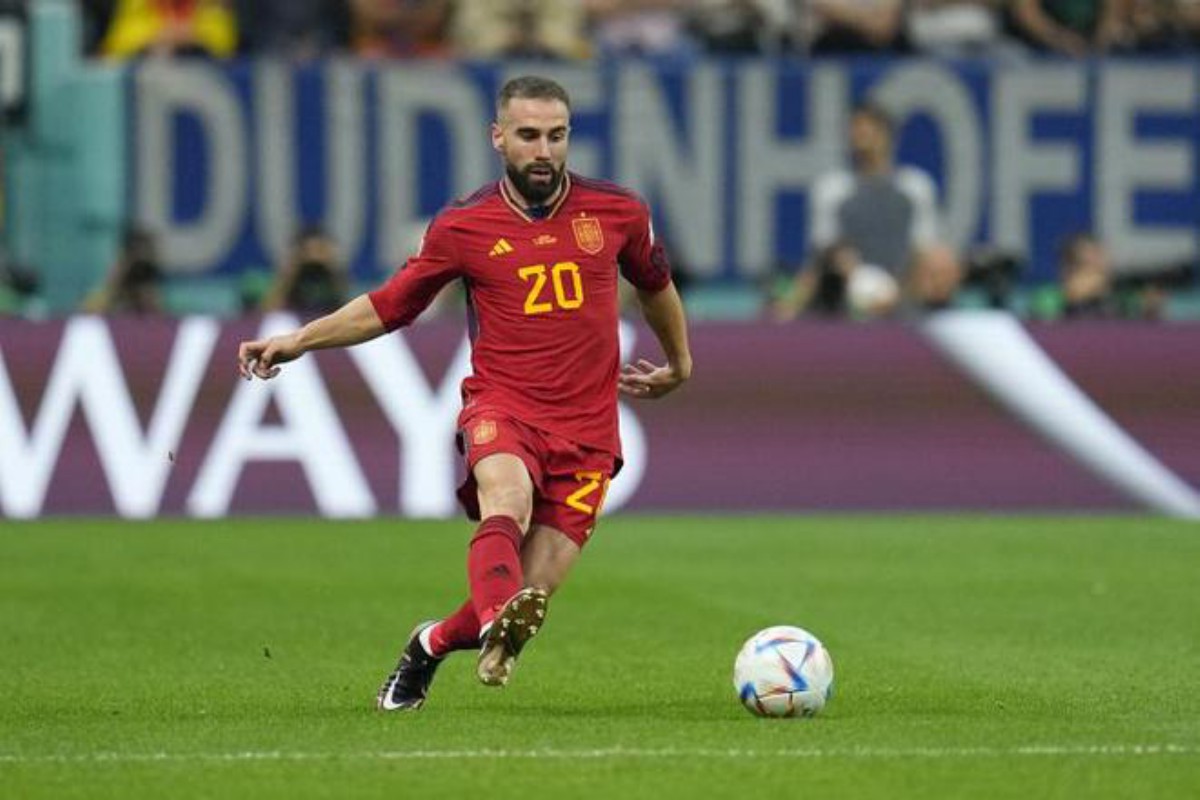
Developing Tactical Understanding
Besides technical training, Spanish football places great importance on cultivating players’ tactical awareness. Even at the U12 level, coaches invest a significant amount of time explaining positioning, spatial utilization, and team coordination. This [approach of cultivating tactical awareness from a young age] enables Spanish players to quickly adapt to various complex tactical systems as adults.
The following table demonstrates the training focus at different age stages:
| Age Group | Technical Focus | Tactical Focus | Physical Training Ratio |
|---|
| 6-10 years | Ball sense | Basic positioning | 20% |
| 11-14 years | Passing and control skills | Small-area cooperation | 30% |
| 15-18 years | Comprehensive technique | Overall tactics | 40% |
Emphasis on Personalized Development
What impresses me most is that the Spanish training philosophy does not aim to produce standardized players. Each child’s characteristics are carefully observed and recorded, and coaches tailor individualized training plans based on the player’s physical conditions and technical traits. [Players who are left-footed are not forced to switch to their right foot], but rather, their natural talents are nurtured.
Mental Resilience Training
An often overlooked aspect of Spanish football training is psychological coaching. From early stages, clubs provide dedicated mental coaches to help children build the right competitive mindset and stress tolerance. This [comprehensive development system] allows Spanish players to stay calm and rational in critical moments.
The success of the Spanish football training philosophy lies in its systematic and long-term approach. It does not pursue short-term effects but focuses on the player’s long-term development. This philosophy is worth learning from and applying, whether for professional training or enhancing skills for amateur enthusiasts. Is there anything else you want to know about Spanish football training philosophy?
