As a football enthusiast who has lived in Spain for many years, I would like to share my observations and thoughts on Spain’s football training philosophy. Recently, I took my child to visit several local football schools and was truly impressed by their training methods.
The Philosophy of Technical Priority
Spain’s football core philosophy is technical priority. From age 6, children begin systematic technical training. Unlike other countries that emphasize physical confrontation, Spain values players’ footwork skills more. I have observed training sessions at the Barcelona La Masia youth academy, where they have a complete technical evaluation system:
| Age Group | Key Skills | Training Hours per Week |
|---|
| 6-8 years | Basic ball control, dribbling | 3 hours |
| 9-12 years | Passing, shooting | 6 hours |
| 13-16 years | Tactical understanding, positioning | 10 hours |
| 17-19 years | Practical application, psychological resilience | 15 hours |
The Wisdom of Small-Sided Games
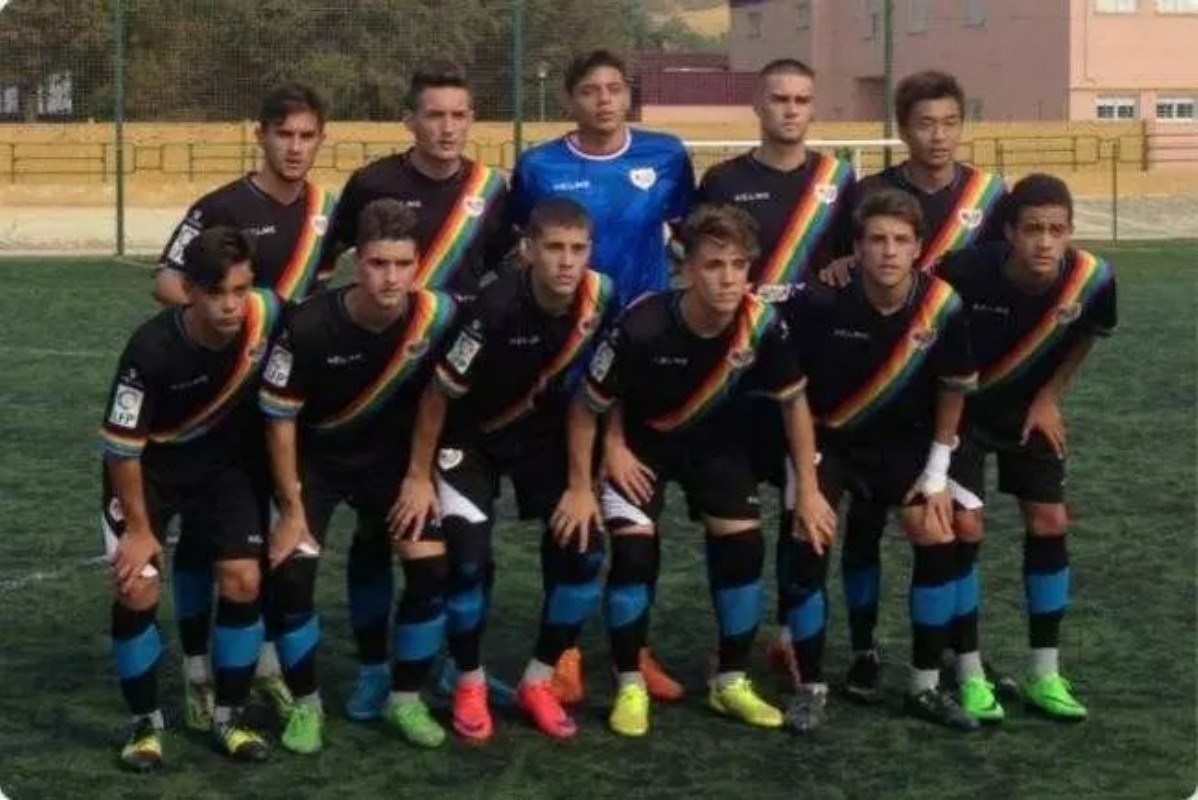
Spanish youth training places special emphasis on small-sided games. In 7-a-side or 5-a-side fields, players must make quick decisions in confined spaces, greatly improving their technical level and tactical awareness. My son trains at a football school in Madrid, and the coach told us that small-sided training triples the number of touches and increases decision frequency by five times.
Balancing Individual Technique and Team Cooperation
Spanish football training does not pursue individual skills alone but emphasizes team cooperation alongside personal development. The tiki-taka tactic perfectly embodies this philosophy. Players need excellent passing skills, sharp movement awareness, and a strong sense of teamwork.
Developing Psychological Resilience
Beyond technical and tactical training, Spanish football highly values players’ psychological development. From a young age, children are nurtured to build stress resistance confidence and leadership. Many clubs employ professional psychologists to help young players handle mental challenges during training and matches.
The Importance of High-Level Coaches
Another key factor in Spain’s football success is the high quality of coaching staff. The youth coaches behind Spanish football training philosophy not only possess rich practical experience but also hold relevant coaching certifications. I have learned from Spanish football philosophy characteristics that the Spanish Football Federation imposes very strict requirements on youth coaches, who must undergo professional training and assessments annually.
Finally, I want to say that the success of Spain’s football training philosophy is not accidental; it is based on a complete youth training system, scientific training methods, and continuous innovation of ideas. For us Chinese parents living in Spain, providing children with such football education not only improves their athletic skills but also cultivates their team spirit and resilience.
