As a parent who has lived in Spain for many years, I am deeply moved by the local Spanish football training philosophy on youth football. Spain is not only a football powerhouse, but more importantly, their attitude and approach to youth football are worth learning from and reflecting on.
Technique Comes First but Happiness is Priority
Spanish youth football training focuses heavily on fundamental skills development, but unlike traditional strict training, coaches here emphasize learning skills in a joyful atmosphere. I often see children practicing passing and ball control amidst laughter at local football schools; even mistakes are met not with harsh criticism but with patient guidance and encouragement.
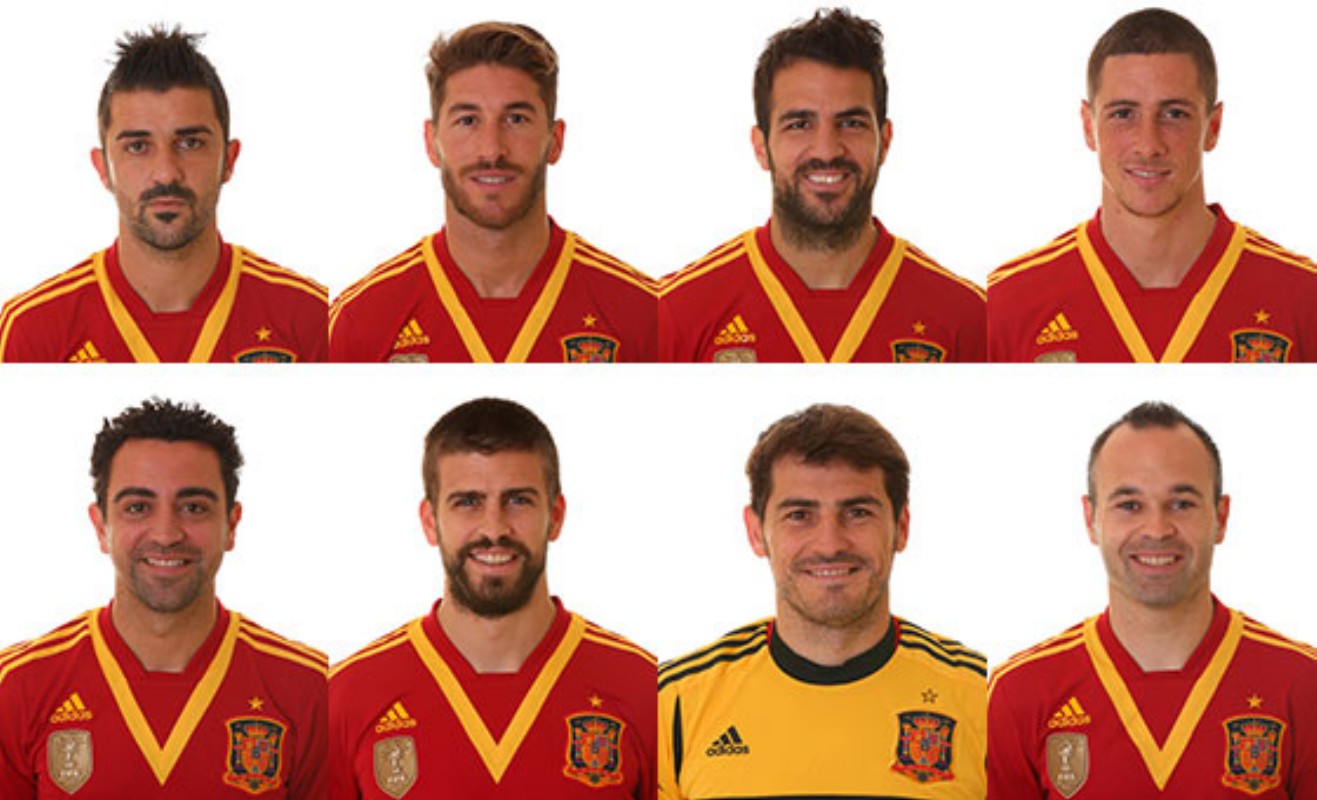
Training usually includes small-sided games, skill-based activities, and basic physical exercises. Coaches believe that only in a relaxed and enjoyable environment can children truly unleash their creativity, which is a key reason behind the refined and inventive nature of Spanish football technique.
Balanced Focus on Individual Development and Teamwork
| Focus Areas | Specific Practices |
|---|
| Individual Skills | Encouraging children to develop their strengths without enforcing a uniform style |
| Team Spirit | Cultivating cooperation through group games |
| Mental Strength | Emphasizing confidence building and stress resistance |
Spanish coaches are skilled at identifying each child’s unique traits; they do not force every child to train under the same model. Some children are fast, so their breakthrough ability is prioritized; others have precise passing, so their organizational skills are developed. This personalized teaching approach enables every child to find their value within the team.
Parental Support with Minimal Interference
In Spain, I have noticed that parents are very supportive of their children’s football activities but rarely over-interfere. They often Spanish football philosophy characteristics cheer for all kids on the sidelines, not just their own. After matches, regardless of the result, parents encourage children to keep trying.
This healthy parent attitude creates a positive football culture. Children do not feel pressured by overly high expectations, allowing them to better focus on enjoying football and growing through learning.
Balancing Long-Term Planning and Present Experience
Another hallmark of the Spanish youth football philosophy is combining long-term planning without sacrificing current enjoyment. Coaches set long-term technical development plans but never deprive children of their childhood fun for the sake of so-called “professionalization.” Utilitarian training methods are unpopular here, replaced by a gradual and enjoyable educational model.
This philosophy resonates deeply with me and has made me rethink the essence of sports education. Football is not just a sport but an important way to cultivate children’s overall abilities. The Spanish approach is definitely worth emulating and learning from.
