As a football enthusiast who has lived in Spain for many years, I have witnessed firsthand the profound changes this football kingdom has undergone recently. From the glories of the World Cup and European Championship to the current transition phase, Spanish football is experiencing a quiet revolution.
Redefining the Youth Training System
The most significant changes stem from a shift in youth training philosophy. While the traditional tiki-taka style has brought countless honors to Spain, the development of modern football demands a more diversified technical and tactical skill set. Both Barcelona’s La Masia and Real Madrid’s Castilla have adjusted their development directions, no longer solely focusing on possession rates but placing greater emphasis on players’ adaptability and creativity.
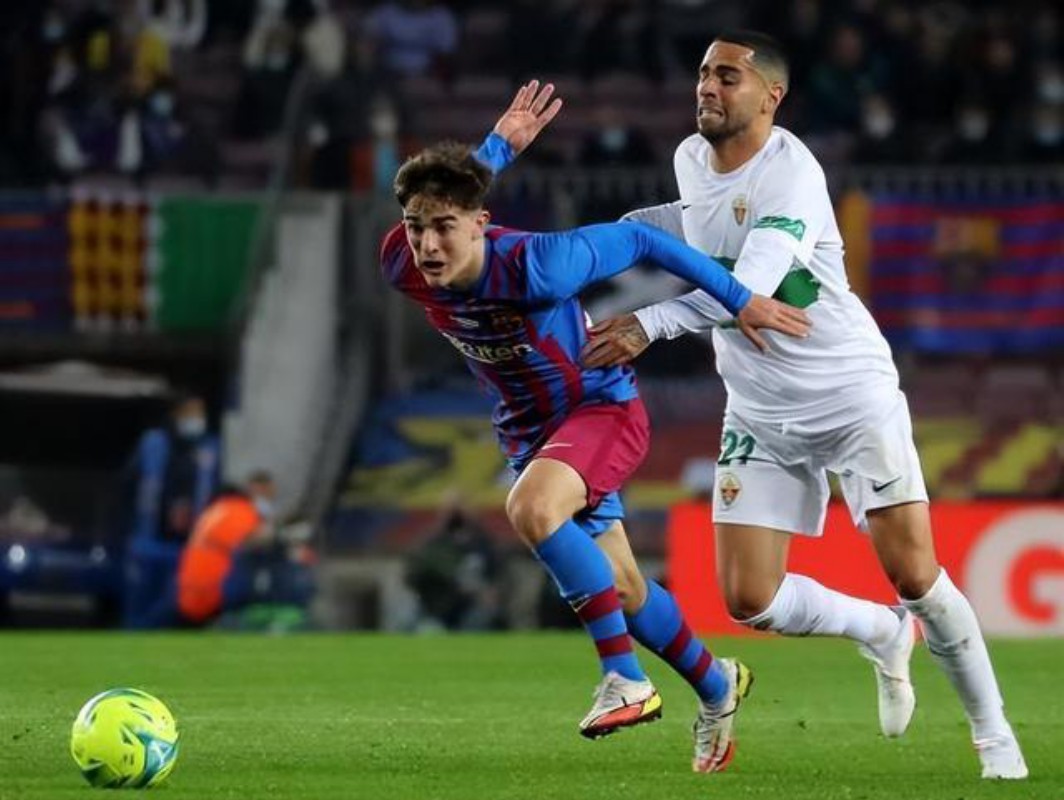
My neighbor is a youth coach, and he told me that today’s kids receive much richer training content than before. In addition to traditional technical training as described in Football Spain Jersey Changes, psychological resilience development and data analysis courses have been added. This change reminds me of the youth training models in the Netherlands and Germany, showing that football philosophies worldwide are learning from each other.
Exploring Tactical Diversity
Spanish football is bidding farewell to a single tactical pattern. Since the Enrique era, the national team has been experimenting with more direct attacking methods. Now Spain can play controlled football as well as fast counterattacks, and this flexibility makes it very hard for opponents to predict their style.
A comparison of recent match data illustrates this shift:
| Match Type | Average Possession | Direct Attacks per Game | Passing Accuracy |
|---|
| 2018 World Cup | 73% | 12 times/game | 91% |
| 2023 International Matches | 68% | 18 times/game | 87% |
This data clearly shows the trend: although passing accuracy has slightly decreased, the attacking threat has significantly increased.
Commercialization and Internationalization of the League
La Liga has also made significant breakthroughs in commercial operations. Previously always trailing the Premier League in revenue, it is now steadily growing. Particularly successful has been its strategy in expanding into Asian and American markets. I often see fans from China and Japan coming all the way to Spain to watch matches, which was rare ten years ago.
The internationalization of the league is reflected not only in commercial terms but also in the diverse player composition. Today’s La Liga features outstanding players from around the world, and this cultural integration is subtly influencing the playing style of local Spanish players.
Technological Innovation and Data Analysis
What impresses me most is Spanish football’s embrace of modern technology. The application of VAR technology has made matches fairer, and big data analysis has become standard for every team. Even amateur leagues have started using GPS devices to monitor player running data, which was unimaginable a few years ago.
As a fan, I feel these changes have made Spanish football more modern and international. Although it might lose some traditional traits, what it gains is greater competitiveness and adaptability. The future of Spanish football is promising, and I believe these reforms will bear fruit in the near future.
