As a football fan who has lived in Spain for many years, I’ve witnessed the tremendous changes in Spanish football from the golden generation to the present day. Today, I want to share some of my observations and thoughts on the evolution of Spanish football over these years.
The Glory and Decline of Tiki-Taka
Do you remember the unforgettable era from 2008 to 2012? The Spain national team won the European Championship and the World Cup consecutively with their exquisite tiki-taka style. At that time, the Spanish team was like a precise machine, with the midfield triangle formed by Xavi, Iniesta, and Busquets being virtually unstoppable. However, the group stage exit at the 2014 World Cup dealt a heavy blow to everyone; the traditional tiki-taka seemed no longer to keep up with the pace of modern football.
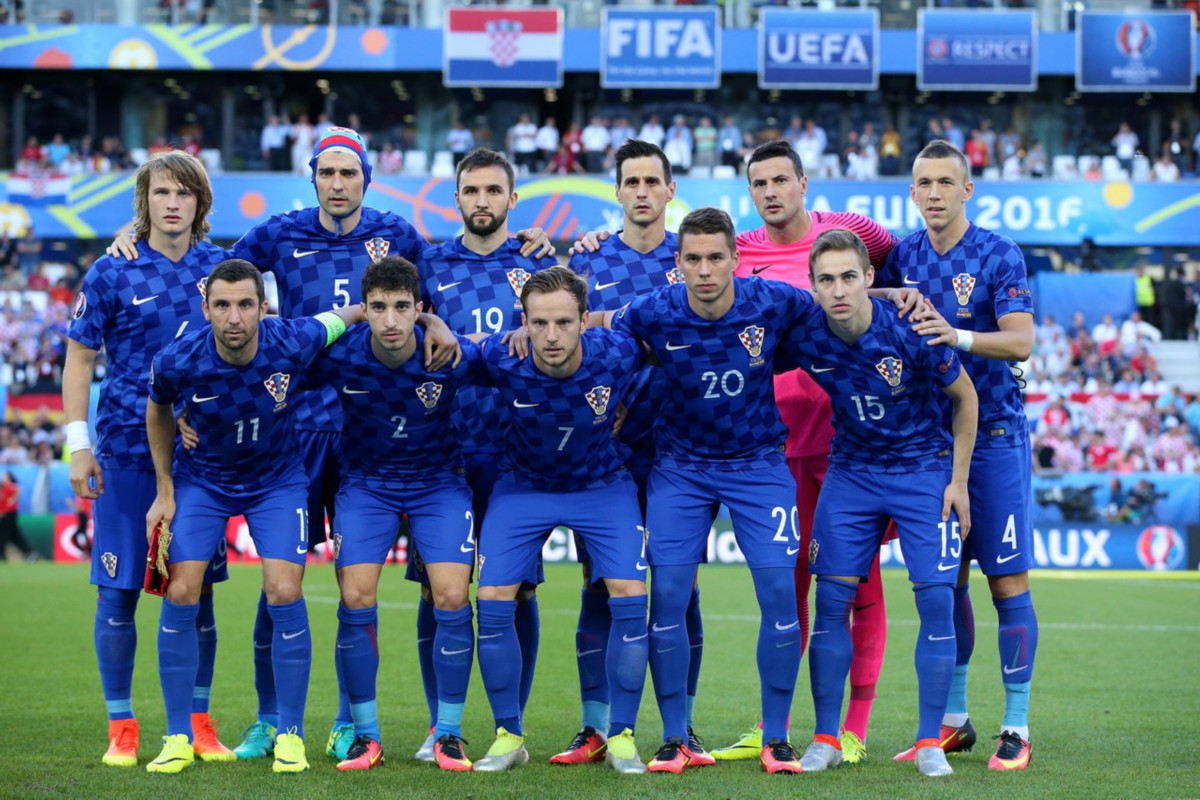
The Rise of a New Generation
One of the biggest changes in Spanish football in recent years is the emergence of a new generation of players. Pedri, Gavi, and Ferran Torres have brought fresh energy. They are no longer confined to the traditional tiki-taka pattern but focus more on speed and directness. Particularly at Barcelona, we can clearly feel this shift—from Guardiola’s era of extreme tiki-taka to a more balanced tactical system nowadays.
| Period | Representative Players | Main Characteristics |
|---|
| Golden Generation | Xavi, Iniesta | Tiki-taka focused, extremely high possession |
| Transition Period | Isco, Koke | Technical skill combined with speed |
| New Generation | Pedri, Gavi | Modern tactics, diversity |
Tactical Philosophy Updates
Under Luis Enrique’s management, Spain’s tactical philosophy has undergone significant changes. It’s no longer just about holding possession and waiting for opportunities, but emphasizes quick transitions and multiple attacking points. The current Spanish team retains the tiki-taka DNA while integrating the high intensity duels and fast-paced transitions of modern football. This change was particularly evident during the 2021 European Championship, where despite exiting in the semifinals, the football style displayed was impressive.
Impact at the Club Level
Changes in Spanish football are not limited to the national team; major clubs are also undergoing transformation. Real Madrid under Ancelotti focuses more on balanced attack and defense, while Barcelona under Xavi strives to revive the essence of tiki-taka without losing modern elements. These club-level changes provide the national team with more tactical options, as reflected in the Spanish football’s new tactical developments. Atlético Madrid’s counterattacking style also adds diversified tactical elements to Spanish football, as seen in Spain football jersey changes.
Looking Ahead
Looking toward the future, I believe Spanish football is at a crucial transitional stage. The generational shift is nearly complete, and the tactical system continues to improve. Although the 2022 World Cup exit was disappointing, we have seen the huge potential of this young team. The key is to maintain the traditional technical advantages while continuing to embrace advanced modern football concepts.
As a fan, I am very optimistic about the future of Spanish football. Although replicating the glory of the golden generation is difficult, the new generation is writing a new chapter in their own way. What do you think about the current Spanish team compared to the past? I look forward to seeing your opinions in the comments!
