As a football enthusiast who has lived in Spain for many years, I want to share with you the changes Spanish football has undergone over the years. From the golden era starting in 2008 until now, what transformations has Spanish football experienced?
The Legendary Golden Era of Tiki-Taka
Do you remember the period from 2008 to 2012? The Spanish national team won three major tournaments in a row: the European Championship, the World Cup, and the European Championship again. The tiki-taka tactic took the world by storm. Watching Spain play was like enjoying a work of art. The players used short passes to outmaneuver their opponents, often maintaining possession rates above 70%.
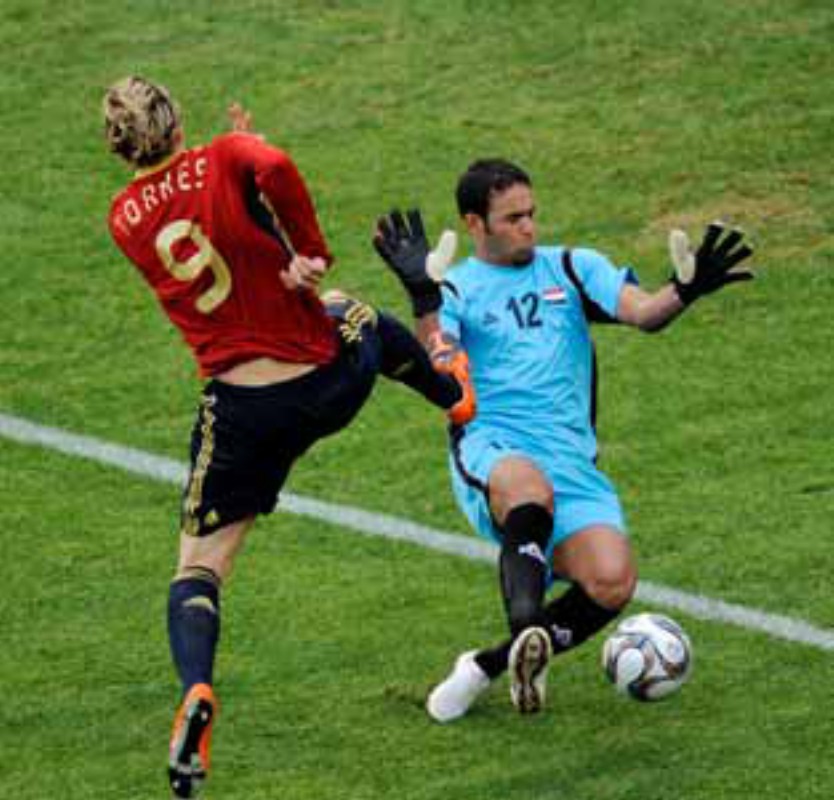
Barcelona’s Guardiola and Spain’s Del Bosque perfected this tactic. The midfield trio of Xavi, Iniesta, and Busquets demonstrated such seamless coordination that people were left in awe.
Tactical Features Comparison
| Period | Main Characteristics | Representative Players |
|---|
| 2008-2012 | Extreme ball control, short passing penetration | Xavi, Iniesta |
| 2014-2018 | Possession plus speed, more direct | Isco, Thiago |
| 2020-present | High pressing, quick transitions | Pedri, Gavi |
The Turning Point in 2014
The 2014 World Cup in Brazil was a watershed moment for Spain. They were eliminated in the group stage, and the tiki-taka strategy faced unprecedented criticism. Many people began to question whether this tactic had become outdated. Opponents found ways to counter it with high pressing and fast counterattacks.
After Enrique took over the national team, he began integrating more modern elements into the traditional possession-based style, as detailed in Spanish Football’s New Changes. He no longer pursued possession for its own sake but instead emphasized attacking efficiency and defensive intensity.
The Rise of a New Generation
In recent years, the emergence of young players like Pedri, Gavi, and Ferran Torres has injected new energy into Spanish football. They maintain the traditional Spanish style while bringing greater creativity and attacking flair.
Today’s Spanish team still delivers precise passing but with a faster tempo, no longer slowly passing back as before. They have learned to accelerate at the right moments and directly threaten the opponent’s goal during key situations.
Club Level Impact
Big clubs like Real Madrid and Barcelona are also adapting to these changes. Under Ancelotti’s leadership, Real Madrid has found a balance between possession and quick attacks. Barcelona, despite going through some challenging times, regained their rhythm after Xavi’s return and incorporated more modern elements as seen in Changes in Spanish Football Jerseys.
Observing these transformations, I feel Spanish football hasn’t lost its DNA but has innovated while preserving it. They still value technique and beautiful football, but now they are more pragmatic and comprehensive. This evolution keeps Spanish football competitive in the new era.
