Historical Context of Spanish Football Development
The development of Spanish football dates back to the late 19th and early 20th centuries. In 1889, British merchants and students introduced football to Spain, initially flourishing mainly in port cities such as Bilbao and Barcelona. Early football clubs like Athletic Bilbao and Barcelona were founded successively, laying the foundation for Spanish football. The Spanish Football Federation was officially established in 1913, marking the beginning of organized football development in Spain.
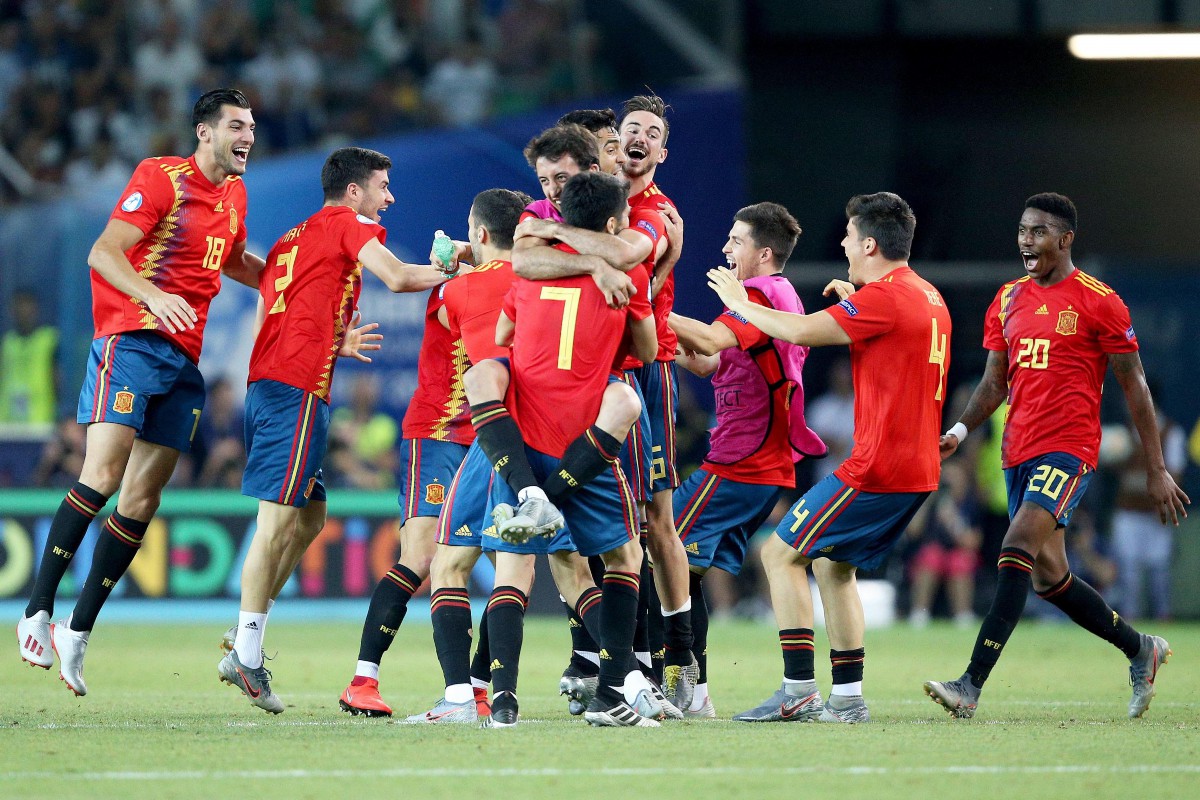
Tactical Revolution and Modern Football Philosophy
The real takeoff of Spanish football began with the tactical revolution at the turn of the 21st century. Clubs led by Barcelona started to advocate the tiki-taka style, emphasizing short passes, ball possession, and technical play. This tactical philosophy affected not only club football but also profoundly changed the playing style of the Spanish national team. From the 2008 European Championship to the 2012 European Championship, the Spanish national team secured three consecutive major tournament wins, fully demonstrating the success of this tactical system.
| Period | Major Achievements | Representative Teams/Players |
|---|
| 1950-1980 | Real Madrid’s five consecutive European Cups | Real Madrid/Di Stéfano |
| 1990-2010 | Tactical innovation era | Barcelona/Guardiola |
| 2008-2012 | Three consecutive international titles | Spanish National Team/Iniesta |
Core Role of Youth Development Systems
A key to Spanish football’s success lies in its well-structured youth development system. The La Masia youth academy is renowned as a cradle of world-class football talents, producing players such as Messi, Iniesta, and Xavi. This development system focuses not only on technical skills but also on improving football intelligence and tactical understanding. Besides Spanish Football Culture Paper, clubs like Real Madrid, Valencia, and Sevilla have also established their own academies, forming a nationwide talent cultivation network.
Commercial Operations and International Influence
Modern Spanish football’s growth is inseparable from successful commercialization. La Liga has become one of the world’s most influential football leagues by attracting top global stars, optimizing event packaging, and expanding overseas markets. The global fame and commercial value of giants Real Madrid and Barcelona continue to rise, driving the growth of the entire Spanish football industry. The former model of government subsidy-based operation is now history, and modern commercial operations ensure the sustainable development of Spanish football.
Future Trends and Challenges
Looking ahead, Spanish football faces both opportunities and challenges. Positively, Spain’s technical tradition and youth development system provide a comparative analysis on Spanish football solid foundation for continuous progress. However, it also confronts competitive pressure from more commercialized leagues like the English Premier League, as well as practical issues such as cultivating new generations of players. How to maintain traditional technical styles while adapting to modern football trends will be a crucial topic for Spanish football’s future development.
