As a football enthusiast who has lived in Spain for many years, friends often ask me about the rankings of Spanish football organizations. Today, I’d like to talk about this topic to help newcomers to Spain or those interested in Spanish football better understand the local football culture.
Spanish Football Organization Ranking System
The ranking of football organizations in Spain is not as simple as one might think; it involves multiple layers and criteria. The main ranking factors include league points, European competition performance, historical honors, and financial strength. The Spanish Football Federation evaluates clubs nationwide based on these aspects.
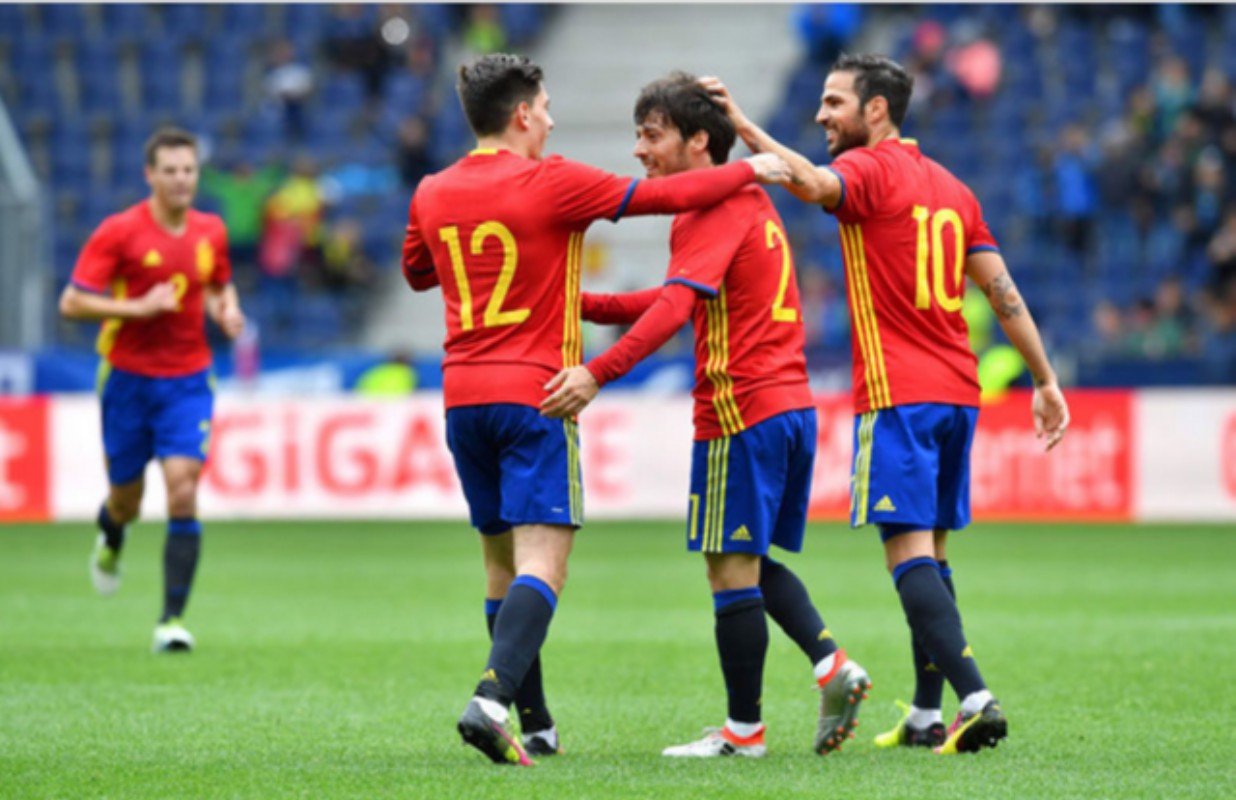
Traditionally, Real Madrid and Barcelona undoubtedly occupy the top of the pyramid. These two teams have not only dominated the domestic league for years but also have brilliant records on the European stage. Real Madrid’s 14 UEFA Champions League titles and Barcelona’s 5 Champions League trophies are the best evidence. Atlético Madrid follows closely; although its number of titles is less than the former two, its recent performance has also been outstanding.
League Rankings and Points System
| Ranking Level | League Name | Number of Teams | Level Characteristics |
|---|
| Level 1 | La Liga | 20 teams | Top league with the highest global attention |
| Level 2 | Segunda División | 22 teams | Second-tier league with intense competition |
| Level 3 | Segunda División B | 80 teams | Semi-professional league divided into 4 groups |
| Level 4 | Regional Leagues | 340 teams | Amateur leagues divided by region |
In La Liga, the top four teams qualify for the UEFA Champions League next season, and teams ranked 5th to 7th can participate in the UEFA Europa League. This ranking system directly impacts club revenue and reputation. It is worth noting that Spain has a very strict promotion and relegation system, with teams moving between different levels every season.
Importance of UEFA Coefficient Rankings
In addition to the Spanish Football Organization Recommendations for domestic league rankings, the UEFA coefficient ranking is also a crucial indicator of Spanish football organization strength. This ranking is based on clubs’ performances in the UEFA Champions League and Europa League, directly affecting the allocation of Spain’s spots in European competitions. Currently, the Spanish Football Federation Organization maintains a long-term top-three position in the UEFA country coefficient ranking, which also proves the overall strength of Spanish football.
In recent years, some traditional powerhouses like Valencia and Sevilla have seen fluctuations in their rankings, while mid-table clubs such as Real Sociedad and Villarreal have steadily risen. This shift reflects the diversity and intense competition within Spanish football.
For those of us living in Spain, understanding these ranking systems not only helps us better appreciate the matches but also makes us sound more knowledgeable when chatting with local friends. After all, football is an inseparable part of Spanish culture, and mastering this basic knowledge is very helpful for integrating into local life.
