Overview of the Spanish Football Federation Structure
As a football enthusiast who has lived in Spain for many years, I would like to share the organizational structure of the Spanish Football Federation. Many people may only know top clubs like Real Madrid and Barcelona but in fact, Spain’s football management system is quite complex and well-developed.
The Spanish Royal Football Federation, as the highest governing body, is responsible for coordinating football affairs nationwide. Founded in 1909, this organization manages not only the national team but also oversees various levels from professional leagues to amateur football. The RFEF headquarters are located in Las Rozas, Madrid, where there are modern training facilities and office buildings.
Division of Responsibilities Among Local Football Associations
Spain’s 17 autonomous communities each have their own football associations operating under the RFEF framework. For example, the Catalonia Football Federation and Andalusia Football Federation mainly handle amateur leagues, youth football development, and referee training within their regions.
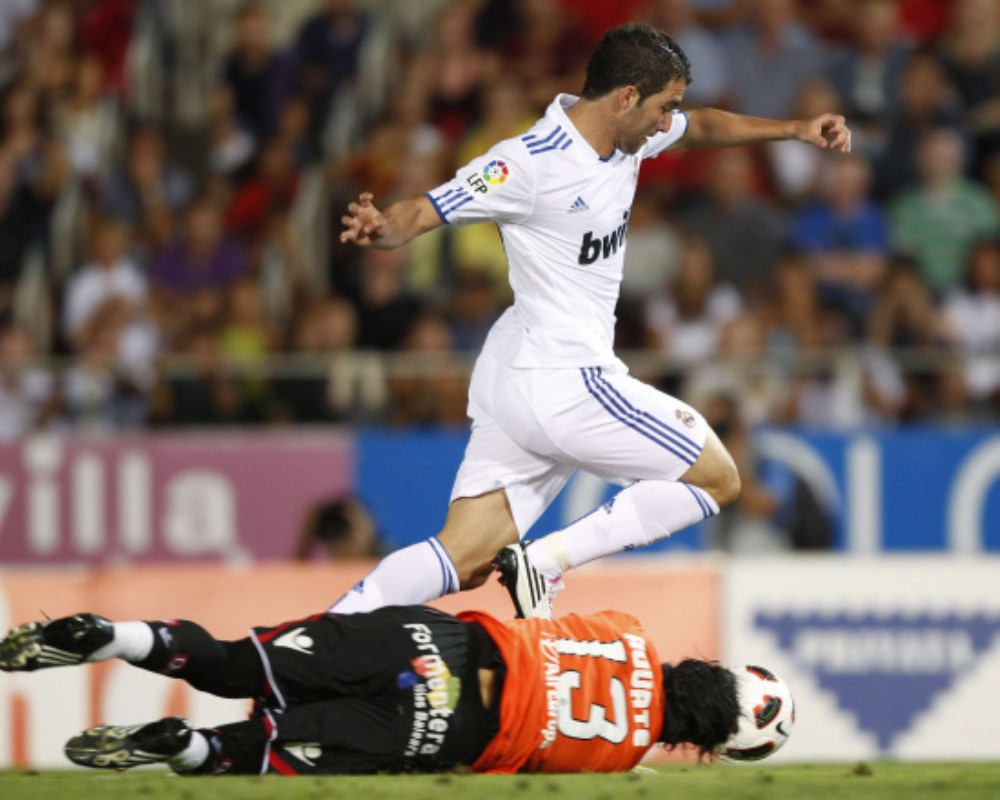
I once participated in a youth training event organized by the Madrid Football Association, and the attention they paid to grassroots football was impressive. Each association has its own technical committee, disciplinary committee, and financial committee, with clearly defined responsibilities.
Detailed League Management Structure
The Spanish league system resembles a pyramid, with tiers clearly structured from the top-tier LaLiga down to the grassroots regional leagues. The main leagues and their management affiliations are as follows:
| League Level | Governing Body | Number of Teams |
|---|
| LaLiga (First Division) | LaLiga | 20 |
| Segunda División | LaLiga | 22 |
| Segunda División B | RFEF | 80 |
| Third Tier | Local Football Associations | Approximately 320 |
Although LaLiga manages LaLiga and Segunda División, it still operates under the supervision of the RFEF. This layered management ensures orderly competition across all levels while granting local federations sufficient autonomy to develop regional football.
Specialized Bodies and Committees
The RFEF has several dedicated committees, including the Technical Committee, Referees Committee, and Women’s Football Committee. Among them, it is little known that the Competition Committee holds significant authority over player transfers and contract disputes. A friend’s son, who played in a semi-professional league, once resolved his contract issues through this committee.
In recent years, the Spanish Federation has also placed strong emphasis on women’s football by establishing a dedicated Women’s Football Development Committee. From infrastructure development to event promotion, this committee handles it all, which explains why the Spanish women’s team has won the World Cup, supported by a comprehensive organizational system.
