Spanish Football: More Than Just a Sport
In the global football landscape, Spanish football always holds a special place. From Camp Nou in Barcelona to Santiago Bernabéu in Madrid, from the passion of Sevilla to the resilience of Valencia, Spanish football represents not only competitive level but also an artistic expression. This unique football philosophy perfectly combines technique, creativity, and aesthetics, forming one of the most entertaining styles in world football history.
A Technique-First Football Philosophy
At the core of Spanish football lies the pursuit of technical excellence. Starting from youth training, Spanish football academies emphasize the importance of fundamentals. Whether at Barcelona’s La Masia or Real Madrid’s Castilla, cultivating ball feeling, passing accuracy, and spatial awareness is the training priority. This philosophy has produced technical masters like Xavi, Iniesta, and Busquets.
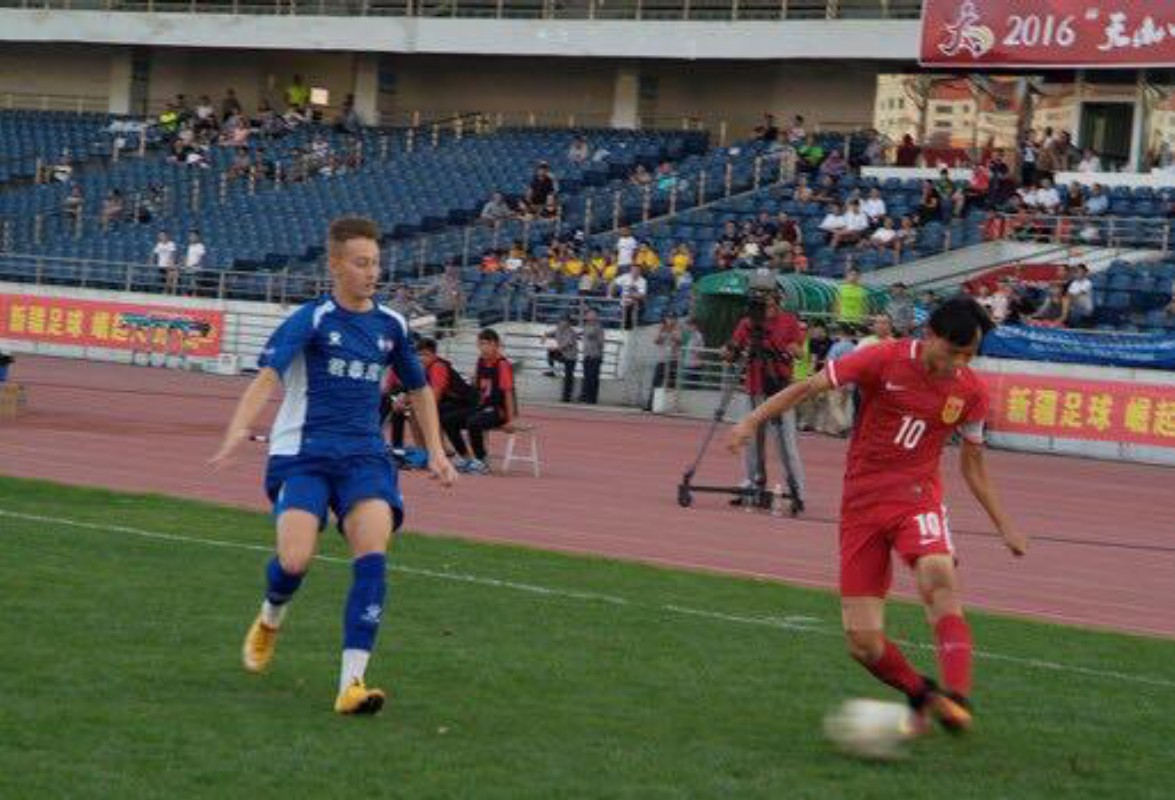
Spanish players generally possess excellent ball control and passing skills, enabling exquisite combinations in tight spaces — the foundation of the tiki-taka tactical system. This technique-oriented football style makes Spanish football uniquely distinguished worldwide.
Tiki-Taka: The Perfect Blend of Art and Practicality
Tiki-taka is not just a tactic but a football philosophy. It emphasizes short passes, ball possession, and patient opportunity creation. This style requires players to have:
| Skill Requirements | Specific Performance |
|---|
| Passing Accuracy | Over 90% success rate |
| Positioning Sense | Constantly creating receiving space |
| Decision Speed | Making passing choices within 2 seconds |
| Physical Endurance | Maintaining high-intensity runs |
This tactical system peaked between 2008 and 2012 when the Spanish national team won consecutive European Championships and the World Cup, creating football history’s “Golden Four Years.”
Balance Between Individual Skills and Team Coordination
Another hallmark of Spanish football is the perfect balance between individual skills and team cooperation. Players are required to have flamboyant practical personal techniques while serving overall tactics. Players like David Silva can both break defenses with personal ability and choose passes at critical moments, reflecting the team spirit of Spanish football.
The emergence of young generations like Pedri and Gavi proves the continuity of Spanish football traditions. While maintaining traditional technical characteristics, they also incorporate the pace and intensity demands of modern football.
Deep Cultural Influence of Football
Spanish football art is reflected not only on the field but deeply rooted in Spain’s cultural soil. From Andalusia’s flamenco dance to Catalonia’s artistic traditions, these cultural elements subtly influence the development of Spanish football. The creativity and imagination exhibited by players on the pitch embody this cultural heritage.
The future of Spanish football remains full of hope. With the growth of a new generation of players and continuous innovation in football concepts, Spanish football will continue to write its own artistic chapters in the world football arena. This pursuit of beauty and dedication to technique is the most valuable treasure of Spanish art football.
