The Artistic DNA of Spanish Football
As a football enthusiast who has lived in Spain for five years, I have been deeply impressed by the football culture here. Spanish football is not just a sport; it is an art form. From Camp Nou in Barcelona to the Bernabéu in Madrid, from amateur fields in small towns to the glorious halls of the national team, the concept of art football has firmly rooted itself in this land.
The Golden Era of Possession Football
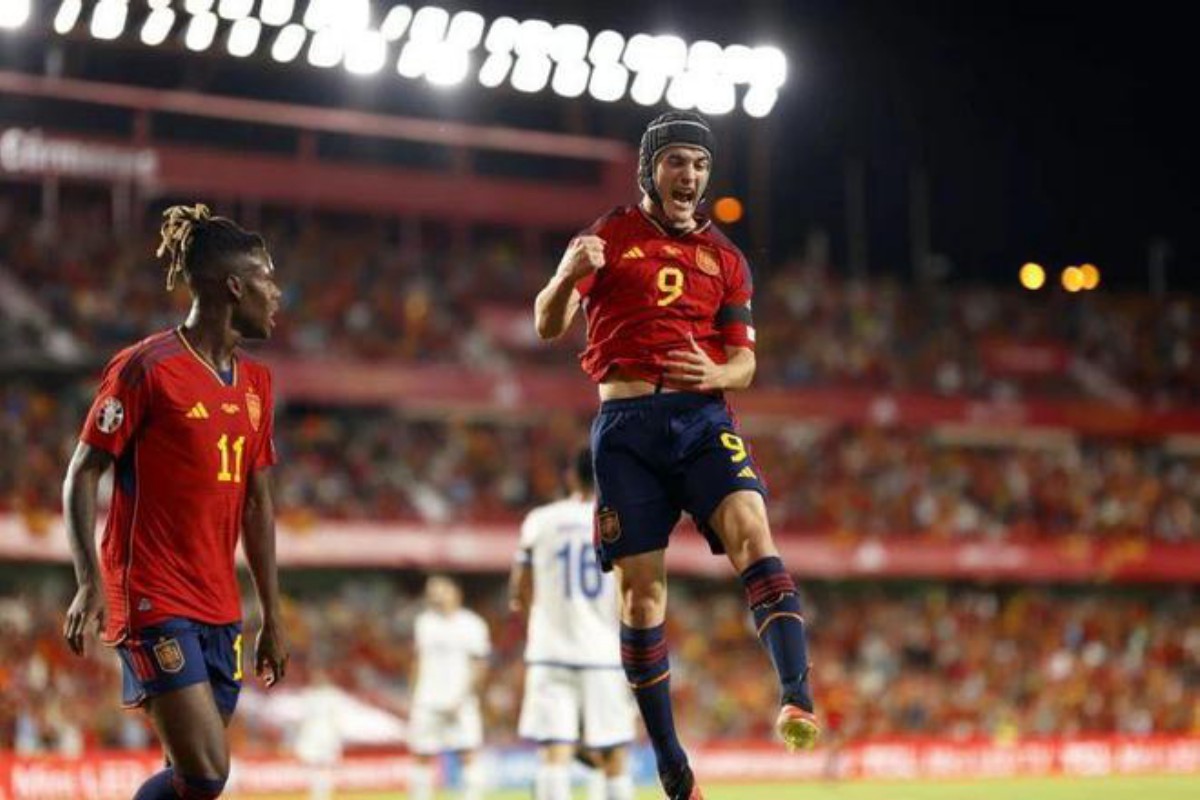
Between 2008 and 2012, the Spanish national team won consecutive European Championships and World Cups, achievements that perfectly embodied the Spanish football art football tiki-taka tactic. This style, centered on short passes and ball control, turned football into an elegant dance. I remember the 2010 World Cup final in South Africa, where Iniesta’s decisive goal was preceded by a passing combination that was truly a masterpiece.
Style Differences Among Major Clubs
Spanish clubs each have their unique characteristics but all embody the spirit of art football:
| Club | Main Features | Representative Players |
|---|
| Barcelona | Possession, ground passes | Messi, Iniesta |
| Real Madrid | Balanced attack and defense, sharp counterattacks | Ronaldo, Modrić |
| Atlético Madrid | Solid defense, team coordination | Griezmann, Koke |
| Villarreal | Excellent youth training, technical finesse | Cazorla, Fornals |
The Artistic Legacy of Youth Training Systems
The success of Spanish football is inseparable from its well-developed youth training systems. From La Masia to Castilla, these academies not only develop players’ technical skills but more importantly pass down the football philosophy. I was fortunate to visit Barcelona’s youth training base, where young players begin receiving formal possession football training from the age of six, with every pass aspiring to precision and beauty.
New Changes in Modern Spanish Football
Although traditional tiki-taka remains a hallmark of Spanish football, recent years have seen continuous evolution. New-generation coaches like Guardiola and Enrique have integrated more direct modern elements while preserving the essence of possession football, finding a perfect balance between artistry and practicality. Today’s Spanish team can showcase exquisite teamwork and also demonstrate powerful strikes at crucial moments.
Spanish art football is not only a tactical style but a cultural tradition. It has taught the world what true beautiful football is and has proven that football can be the purest form of art. As fans, we are fortunate to witness all of this.
