As a football enthusiast who has lived in Spain for several years, I would like to share some observations and thoughts on Spanish football’s tactical strengths. Spanish football indeed has many commendable aspects, but there are also some obvious issues.
Outstanding Strengths of Spanish Football
Exquisite technique and mastery of possession is the hallmark of Spanish football. From Barcelona’s tiki-taka to the national team’s possession system, Spanish players’ technical skills in tight spaces are awe-inspiring. Whether it’s legends like Xavi and Iniesta or current players such as Pedri and Gavi, they all demonstrate an exceptionally high skill level.
A well-established youth development system is another major advantage of Spanish football. The La Masia academy is renowned as a cradle of football talent, having produced world-class players like Messi and Iniesta. More importantly, it has built a comprehensive youth training philosophy. Spanish clubs at all levels emphasize cultivating players’ technical fundamentals and tactical awareness from a young age.
Main Weaknesses of Spanish Football
However, Spanish football also exhibits some clear shortcomings. Relatively weak physical confrontation is the most prominent issue. When facing physically strong opponents like Germany or England, Spanish players often find themselves at a disadvantage in duels.
Over-reliance on possession-based tactics also limits tactical diversity. When opponents employ high pressing or dense defense, the Spanish team often appears helpless and lacks alternative effective attacking options.
Tactical Characteristics Comparative Analysis
| Tactical Feature | Strengths | Weaknesses |
|---|
| Possession Ability | High ball control, accurate passing | Slow tempo, prone to interceptions |
| Physical Confrontation | Technique remains intact | Lack of strength, weak aerial duels |
| Tactical Execution | Strong discipline, synchronized teamwork | Lacks variation, easy to be targeted |
| Mentality | Rich experience in major tournaments | Prone to nervousness in critical moments |
Performance on the International Stage
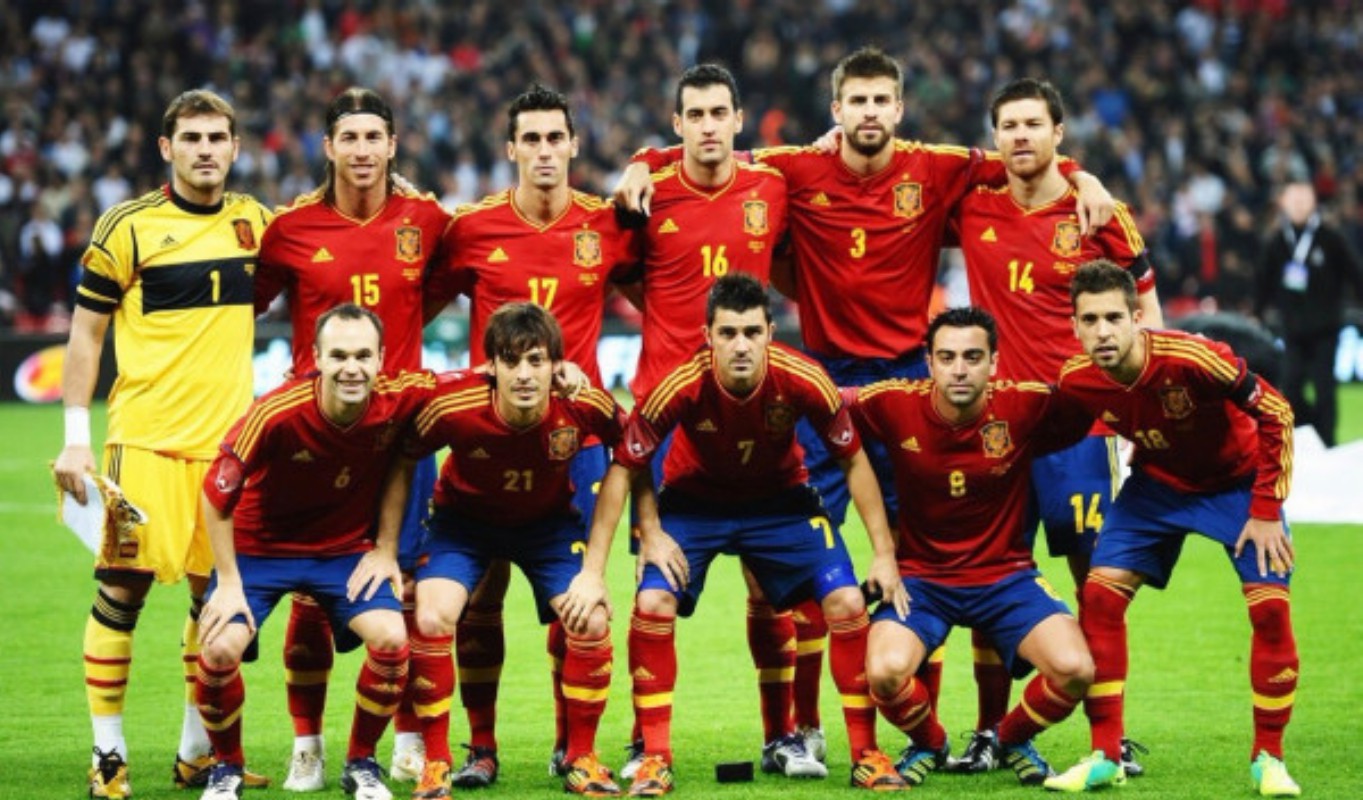
From 2008 to 2012, Spanish football reached its pinnacle, winning the European Championship, World Cup, and European Championship consecutively. However, the disastrous 2014 World Cup revealed problems such as aging squad, tactical monotony, and lack of fresh blood.
In recent years, Spanish football is undergoing a generational transition. The rise of young talents like Gavi and Pedri brings hopes for Spanish football, but reclaiming past glory will take time.
Outlook for Future Development
Spanish football’s foundation remains solid, with youth development and technical tradition as its greatest assets. To maintain an edge in fierce international competition, it needs to strengthen physical training while preserving its technical style and diversify tactical approaches.
With the growth of a new generation of players and evolving coaching philosophies, Spanish football is expected to find a new balance and continue playing an important role in the global football scene. What are your thoughts on the current state and future of Spanish football? Feel free to join the discussion in the comments!
