Recently, I enrolled in a comprehensive training course at a football school in Madrid and wanted to share the features and experiences of Spanish football training. As a football powerhouse, Spain’s football education system indeed has many aspects worth learning.
Basic Technical Training
The most emphasized part of Spanish football is fundamental skills training. The coach told us that technique is the foundation of all tactics. If Spanish football overall strength cannot even master basic passing and ball control well, discussing advanced tactics is like building castles in the air. The first 30 minutes of each training session are dedicated purely to technical drills such as juggling, passing and receiving, and dribbling. Passing accuracy is especially important; the coach often says, “a good pass beats ten dribbles.”
Training intensity is also scientific, with different plans for various age groups and skill levels. Here is our school’s training schedule:
| Age Group | Training Duration | Technical Proportion | Physical Fitness Proportion |
|---|
| 8-12 years | 90 minutes | 70% | 30% |
| 13-16 years | 105 minutes | 60% | 40% |
| 17 and above | 120 minutes | 50% | 50% |
Tactical Concept Development
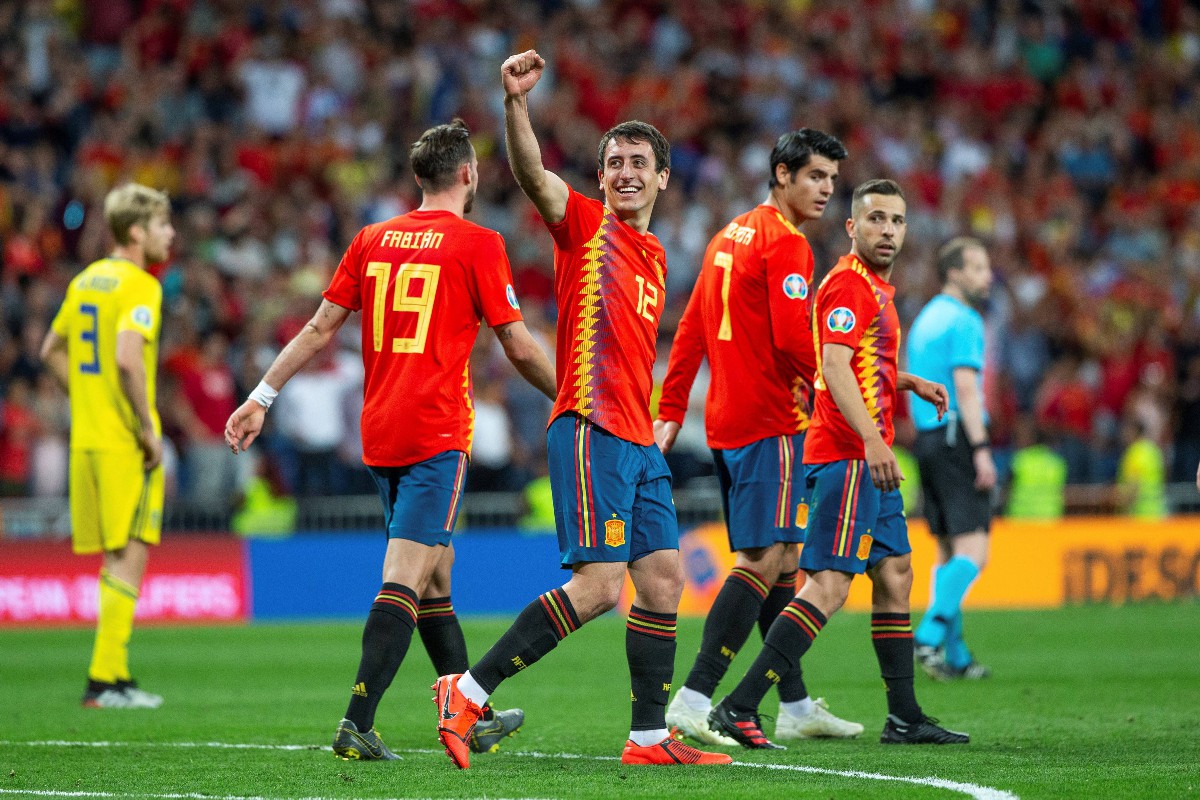
Spanish football’s tactical philosophy emphasizes ball possession and passing. The coach often has us watch match footage of Barcelona and Real Madrid to analyze their passing routes and positioning. What impressed me most was the training of the “tiki-taka” style, which breaks down the opponent’s defense through numerous short passes.
Training includes many small-sided games such as 7v7, 5v5, and even 3v3. This offers each player more Spanish football comprehensive training touches, enhancing passing and decision-making skills. The coach says, “football is not an individual show; it’s a team sport,” a concept deeply reflected in Spanish football culture.
Physical and Mental Conditioning
Besides technical and tactical training, physical conditioning also holds a large proportion. Spanish coaches emphasize core strength and flexibility, with 15 minutes of stretching after every session. They believe good physical fitness is key to injury prevention.
Mental toughness training is also important. Coaches organize drills under pressure, such as passing in noisy environments or time-limited technical challenges. These exercises help us stay calm in matches and make the right decisions.
Practical Training Suggestions
After months of training, I have summarized a few insights: first, do not be impatient for quick results; technical training requires persistence. Second, watch game footage to learn professional players’ positioning and passing choices. Finally, find suitable training partners to motivate each other.
If you are interested in Spanish football training, it is recommended to start with basic juggling and passing drills. If possible, working with a professional coach makes progress much more efficient. Though training is tough, seeing your technical improvement brings an indescribable sense of achievement.
