In-Depth Analysis of Spain’s Football Strength
As a long-time fan following the Spain Football Comprehensive Training Course, I want to share some insights into the overall strength of Spanish football. Whether from the club level or the national team’s performance, Spain undoubtedly stands among the world’s football powerhouses.
Club-Level Dominance
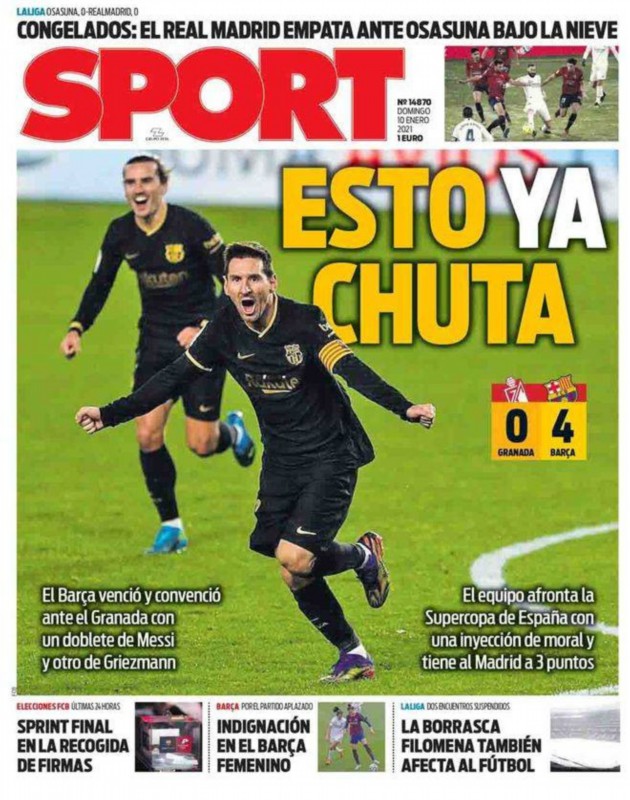
La Liga is undoubtedly one of the world’s top leagues. The Real Madrid and Barcelona giants have consistently demonstrated their prowess on the European stage. Real Madrid holds an unmatched record with 15 UEFA Champions League titles, while Barcelona’s possession-based football philosophy has influenced the world. Beyond these two powerhouses, clubs like Atlético Madrid and Sevilla also frequently perform strongly in European competitions.
National Team’s Glorious Achievements
The Spain national team achieved unprecedented success between 2008 and 2012, winning the 2008 UEFA European Championship, the 2010 FIFA World Cup, and the 2012 UEFA European Championship consecutively. This team, centered around Barcelona and Real Madrid players, took possession football to its peak. Although recent years have seen some fluctuations, winning the 2023 UEFA Nations League has proven that Spanish football remains highly competitive.
The table below shows Spain’s national team achievements in major tournaments:
| Tournament | Titles Won | Most Recent Title |
|---|
| World Cup | 1 | 2010 |
| European Championship | 3 | 2012 |
| UEFA Nations League | 1 | 2023 |
Deep-Rooted Youth Development System
When discussing Spanish football, its well-established youth development system cannot be overlooked. The La Masia academy has produced countless world-class stars, from Guardiola to Messi, from Xavi to Iniesta. This youth development philosophy extends beyond Barcelona; the entire country operates a systematic approach to nurturing young talent, continuously supplying players to the national team.
Unique Tactical Style and Appeal
Spanish football is renowned worldwide for its technical finesse and smooth possession play. Although sometimes criticized for being too conservative, this tactical approach helped Spain reach football’s pinnacle. Today’s Spanish team maintains its traditional strengths while adapting to modern football trends by incorporating more directness and speed.
Spain’s overall football strength remains among the world’s elite. While current Comprehensive Football Training might not be as dominant as during its peak, the deep football culture, advanced youth systems, and distinct tactical styles ensure Spain stays competitive on the global stage. For football fans like us, the future of Spanish football is still very promising.
