A New Era for Spanish Football: Men and Women Side by Side
As a fan who has lived in Spain for five years, I have witnessed firsthand the monumental changes in the football culture here. Previously, when mentioning Spanish football, everyone thought of male superstars like Messi and Ronaldo, but now the situation is completely different. Walking through the streets of Barcelona, you see more and more fans wearing women’s football jerseys, a change that is truly striking.
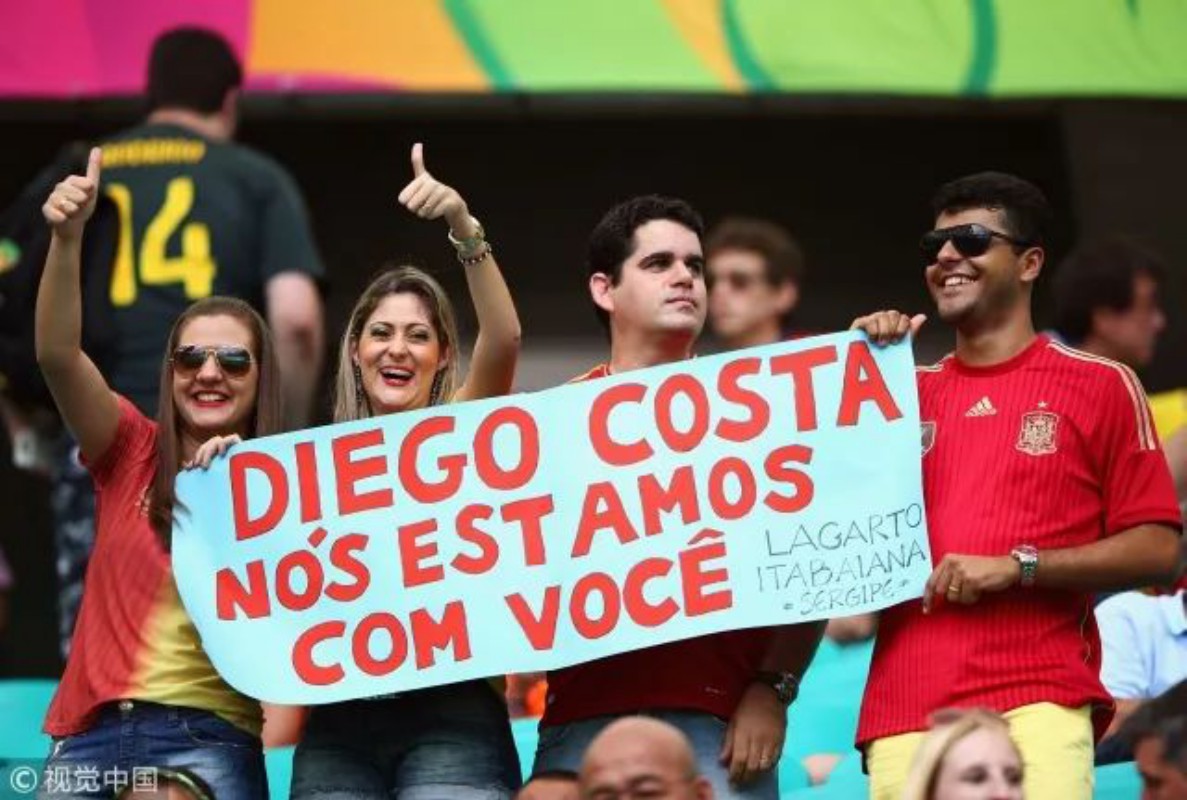
The Surge of Women’s Football Investment by Top Clubs
One of the most impressive developments is how major clubs are prioritizing women’s football. Barcelona’s women’s team now enjoys待遇 almost equal to the men’s team, with significant improvements in training facilities, medical support, and salary levels. Although Real Madrid’s women’s team started later, their investment is equally substantial, and the image of Florentino Pérez personally standing behind the women’s team remains memorable.
Based on my understanding of the Spanish men’s and women’s football face-offs, here is a comparison of the main clubs’ women’s football investments:
| Club | Annual Investment (million €) | Average Player Salary | Facilities Rating |
|---|
| Barcelona | 15-20 | High | Grade A |
| Real Madrid | 12-18 | Upper-mid | Grade A |
| Atlético Madrid | 8-12 | Medium | Grade B+ |
| Sevilla | 5-8 | Lower-mid | Grade B |
Changes in Media Coverage and Audience Support
Media coverage has undergone a dramatic transformation as well. Previously, women’s football matches were only broadcast as late-night replays on sports channels, but now mainstream TV networks air important women’s matches during prime time. Both Marca and AS newspapers now feature dedicated women’s football sections daily, which was unthinkable just a few years ago.
Audience support is steadily growing. Last year’s national derby between Barça women and Real Madrid women attracted over 91,000 spectators, setting a world record for women’s football attendance. This figure speaks volumes about Spanish fans’ recognition of women’s football.
Comprehensive Integration of Youth Training Systems
What impresses me most is the Spanish Football Federation’s foresight in youth training. Now, youth academies at all levels treat boys and girls equally in terms of coaching resources, training time, and match opportunities. During a visit to a youth academy in the suburbs of Madrid, I saw 12-year-old girls training alongside boys, and the coach told me: “Football skills know no gender; talent and effort are what matter.”
This change in mindset is not overnight but rooted deeply in social culture. Spain’s broader commitment to gender equality has provided the fertile ground for football’s transformation, as seen in the Spanish men’s and women’s football dual championship success. Government policies, proactive corporate sponsorships, and positive media guidance together promote the current Spanish football landscape where “men and women are united.”
As a witness to this evolution, I firmly believe this trend will continue, making the future of Spanish football even more exciting and diverse.
