Spanish football has been truly thrilling recently! Both the men’s and women’s teams have won significant championships, marking a milestone achievement in the history of Spanish football. As a football fan who has lived in Spain for many years, I would like to share my observations and feelings about the division between Spain’s men’s and women’s football.
A Historic Moment of the Double Crown
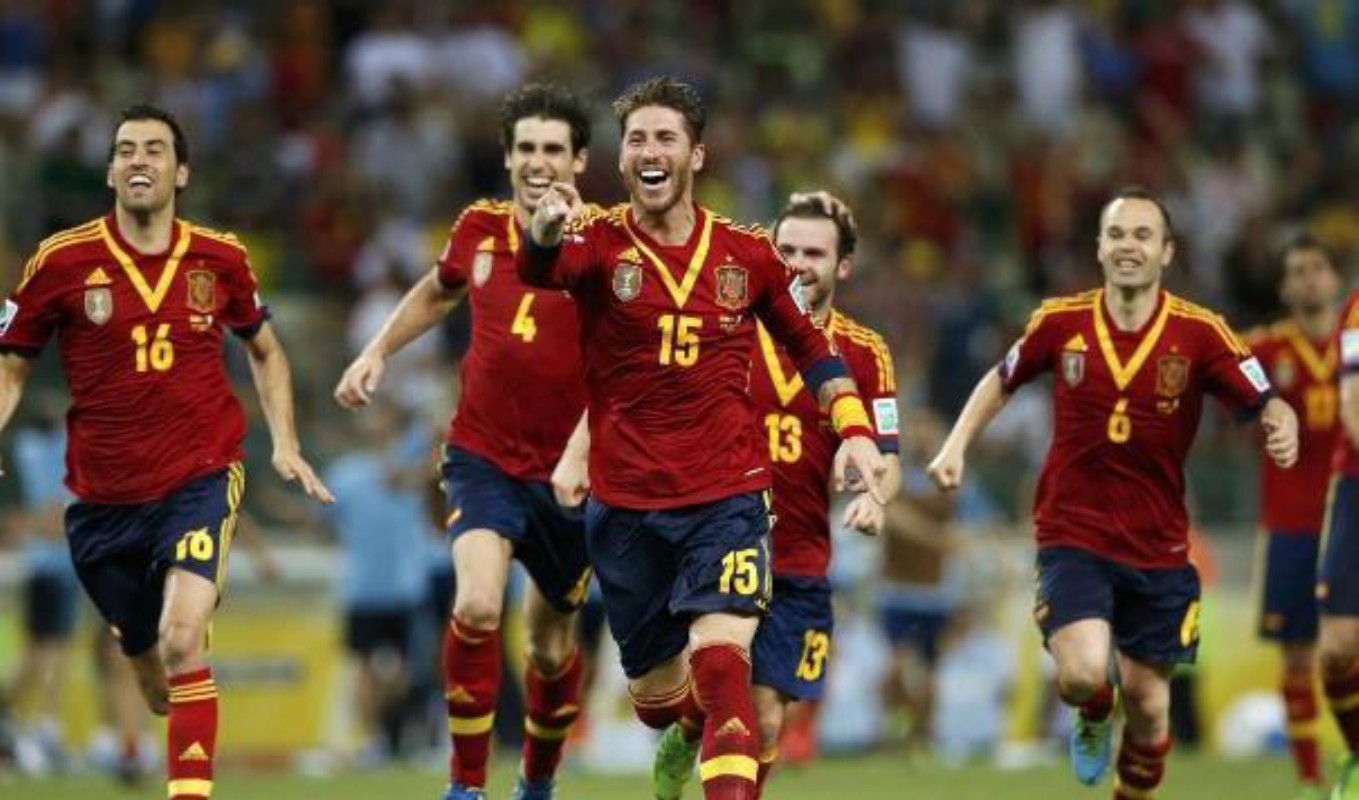
The Spanish women’s team won the World Cup last year for the first time, breaking the traditional dominance of strong teams. Meanwhile, the men’s team has also performed excellently in major competitions like the European Championship, continuing the golden era from 2008 to 2012. It is extremely rare in world football for both the men’s and women’s teams to be simultaneously at the top level globally.
The Successful Youth Training System Behind It
Spain’s football success is by no means accidental. From what I have observed across Spain, the youth training system here is indeed unique. Whether it’s Barcelona’s La Masia youth academy or Real Madrid’s Castilla, they have developed many outstanding players. More importantly, this youth training philosophy has deeply penetrated grassroots levels, with strong youth training also present in smaller cities.
The rise of women’s football also benefits from the Spanish Football Federation’s increased focus in recent years. From investments in facilities and coach training to more match opportunities, female footballers have a much better development environment.
The Inheritance and Innovation of Tactics and Style
| Period | Main Characteristics | Representative Players |
|---|
| 2008-2012 | Tiki-taka possession | Xavi, Iniesta |
| 2020-present | Fast passing and cutting | Pedri, Gavi |
Tactically, Spanish football has preserved its traditional skillful style while embracing innovation in the new era. The men’s team maintains ball control superiority while adding more direct attacking methods. The women’s team perfectly combines Spanish delicate technique with modern football’s physical challenges.
Social Impact and Football Culture
These championships have a profound impact on Spanish society. I witnessed firsthand the street celebrations in Spain after the women’s World Cup victory; the nationwide joyous atmosphere was genuinely moving. Football here is not just a sport but an essential part of cultural identity.
Especially with the women’s team’s success, there has been a huge boost in the enthusiasm of Spanish women participating in football. Now it is common to see young girls playing football in parks, which was rare before. There used to be a notion that girls weren’t suited for football, but that mindset has completely changed.
Looking Ahead
From the current men’s and women’s football rivalry in Spain, the future of Spanish football remains full of hope. The improvement of the youth training system, advanced tactical concepts, and widespread societal support all lay a solid foundation for sustained success. I believe in the coming years we will witness many more surprising achievements.
What aspects of Spain’s football success model do you think other countries could learn from? Feel free to discuss in the comments!
