As a football fan who has lived in Spain for many years, I want to discuss this country’s football dynasty journey with you. Spanish football is not just a sport, but a cultural symbol. From the century-long Real Madrid vs Barcelona rivalry at club level to the golden generation at national team level, legendary chapters in football history have been written, including the comprehensive Spanish championship journey.
The Era of Club Football’s Dual Hegemony
When talking about Spanish football, we must mention the two giants Real Madrid and Barcelona. Real Madrid, known as the Galácticos, boasts a glorious Champions League history with 15 Champions League titles - a record that remains unmatched. Meanwhile, Barcelona is renowned worldwide for its unique tiki-taka tactical style, with Guardiola’s dream team showing the world what artistic football truly means.
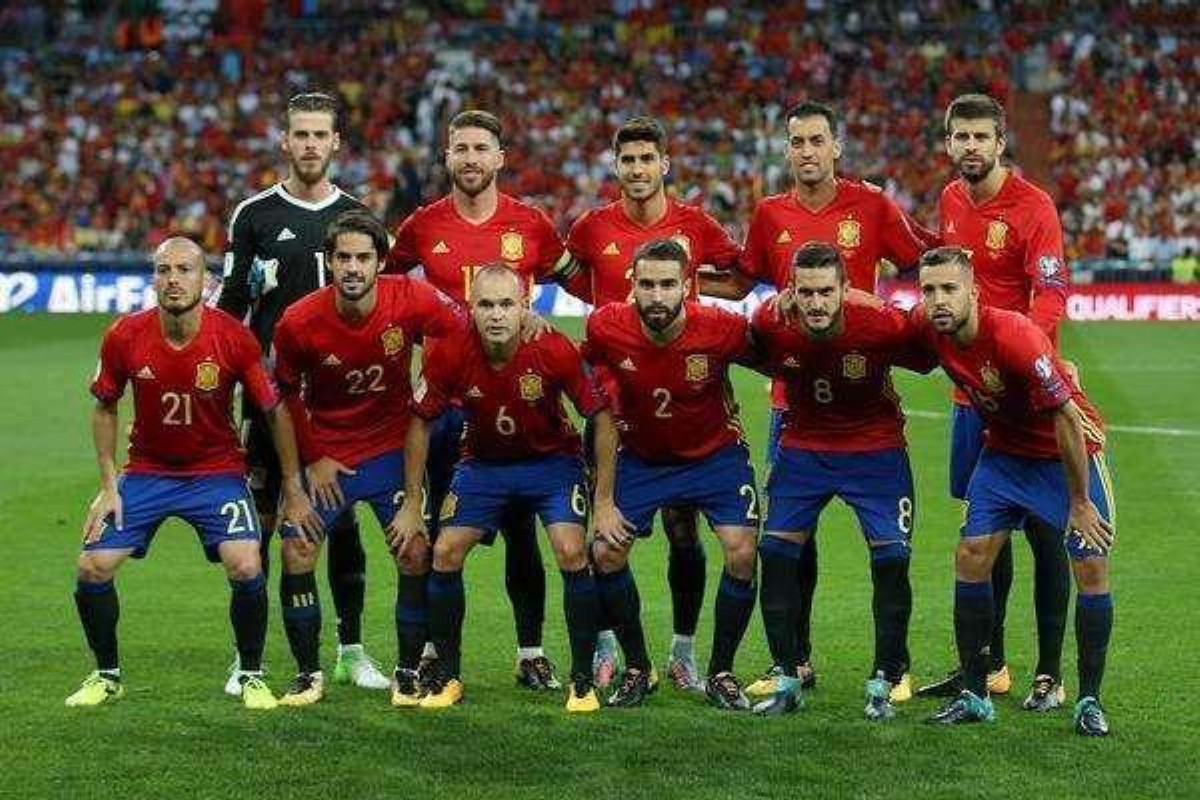
The clashes between these two teams are called El Clásico, with each match captivating football fans worldwide. From Di Stéfano to Cristiano Ronaldo, from Cruyff to Messi, generation after generation of superstars have written legends here, as detailed in the Spanish football development history. According to statistics, their head-to-head record across all competitions is as follows:
| Competition Type | Real Madrid Wins | Barcelona Wins | Draws |
|---|
| La Liga | 76 matches | 73 matches | 35 matches |
| Copa del Rey | 9 matches | 14 matches | 4 matches |
| Super Cup | 6 matches | 7 matches | 2 matches |
The Rise of Spain’s National Team Golden Generation
From 2008 to 2012, the Spanish national team created one of the most glorious dynasties in football history. During these four years, they consecutively won the 2008 European Championship, 2010 World Cup, and 2012 European Championship, becoming the first team in history to win three consecutive major tournaments.
The secret to this golden generation’s success lay in the perfect combination of individual heroism team cooperation. The midfield iron triangle of Xavi, Iniesta, and Busquets, combined with strikers like Villa and Torres, plus world-class goalkeeper Casillas, formed an almost perfect system.
The tiki-taka tactics not only succeeded at club level but reached perfection at national team level. Through short passing combinations, ball control, and quick positional changes, the Spanish team could control possession for long periods, leaving opponents exhausted.
Legacy and Future Prospects
Today’s Spanish football is experiencing a generational transition. Although the golden generation has gradually left the historical stage, new generation players like Pedri, Gavi, and Ferran Torres are taking up the mantle. The 2023 Nations League victory proved that Spanish football’s foundation remains solid.
Spanish football’s success is inseparable from its comprehensive youth development system. From La Masia to Castilla, from Valencia’s youth academy to Athletic Bilbao’s Basque player development model, these youth systems provide a continuous flow of talent for Spanish football. As we often say, football is a sport that requires inheritance, and Spain’s football dynasty journey shows us that success is not accidental, but the result of long-term accumulation.
