As a football fan who has lived in Spain for many years, I witnessed firsthand Spain’s glorious period from 2008 to 2012. Many friends often ask me why Spanish football achieved such tremendous success in such a short time. Today I’d like to share my observations and insights.
Comprehensive Youth Development System as Foundation
The first key factor in Spanish football’s success is its comprehensive youth development system. Barcelona’s La Masia youth academy exemplifies this system perfectly, having produced world-class stars like Messi, Iniesta, and Xavi. But it’s not just Barcelona - Real Madrid, Villarreal, Sevilla, and other clubs have all established highly mature youth development mechanisms.
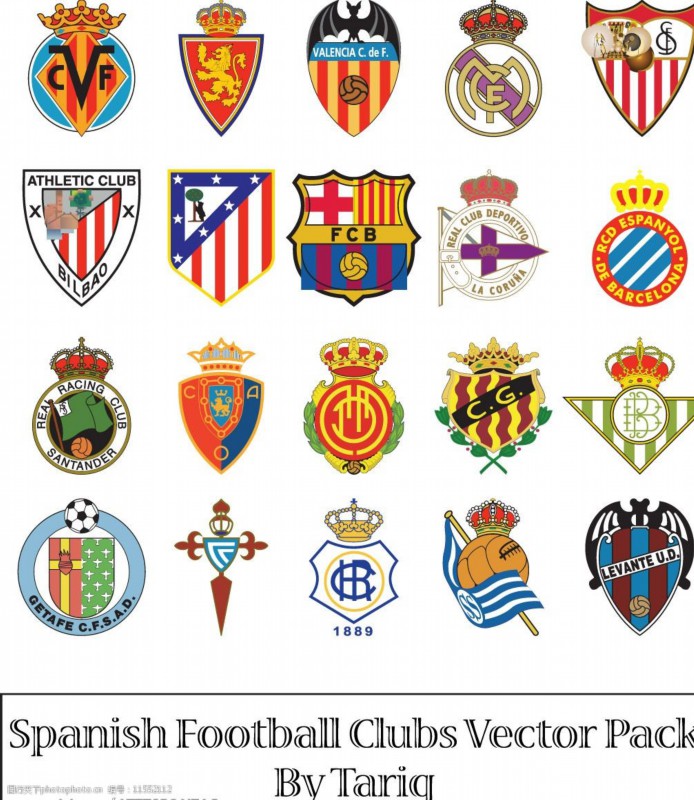
These academies begin systematic training when children are 6-7 years old, focusing not only on technical skills but more importantly on developing players’ football intelligence and tactical understanding. I’ve visited several youth training facilities and found they place great emphasis on cultivating young players’ passing accuracy and game-reading abilities, which laid a solid foundation for Spain’s later possession-based style.
Unified Tactical Philosophy
The second success factor of Spanish football is the relatively unified tactical philosophy across the nation. From clubs to the national team, everyone embraces a football philosophy centered on possession play. This approach emphasizes:
| Tactical Features | Specific Manifestations |
|---|
| Possession Rate | Long-term control of game rhythm |
| Short Passing | Precise ground passing networks |
| Off-ball Movement | Constantly creating space to receive passes |
| High Pressing | Immediate counter-pressing after losing possession |
This unified tactical philosophy allows players to quickly integrate into the system whether at club or national team level. I remember during the 2010 World Cup, the Spanish national team’s coordination worked like a precision machine, with every player knowing exactly where teammates would appear.
Rich Football Culture Atmosphere
The third important factor is Spain’s deep-rooted football cultural heritage. Living here, you’ll discover that Spanish football success background football is not merely a sport, but an integral part of people’s lives. Whether it’s Real Madrid fans in Madrid or Barcelona supporters in Barcelona, their love for football comes from the heart.
Every weekend, from community pitches to professional training grounds, you can see people playing football everywhere. This atmosphere of universal participation provides Spanish football with Spanish football success experience a vast talent pool. Moreover, Spain’s football media and commentators are highly skilled, and their tactical analysis and explanations have enhanced ordinary fans’ understanding of football.
Continuous Investment and Reform
Finally, it’s essential to mention the continuous investment by the Spanish Football Association and major clubs in infrastructure development and coach training. Although there was some impact during the economic crisis, they consistently maintained investment in youth development and coach education. Spain’s coaching training system is highly comprehensive, ensuring high-level coaches from grassroots to top-tier leagues.
From my personal observations, Spanish football’s success is no accident, but the result of long-term accumulation of multiple factors. Although this generation of players is gradually aging, with their comprehensive system and deep foundation, I believe Spanish football will continue to maintain strong competitiveness. What other aspects of Spanish football do you think are worth learning from?
