As a foreigner who has lived in Valencia for five years, I can responsibly tell you that Valencia paella enthusiasts in Valencia have an almost fanatical love for paella. But do you know? The flavors locals prefer most might be completely different from what you imagine.
Secrets of Traditional Valencian Paella
Many tourists think Valencian paella is loaded with shrimp, mussels, and squid, but actually, the most authentic Valencian paella doesn’t contain seafood at all! This sounds crazy, but it’s true. Real Valencian paella’s main ingredients are chicken, rabbit, green beans, white beans, and saffron. Locals will tell you this is the authentic recipe passed down from their grandmothers.
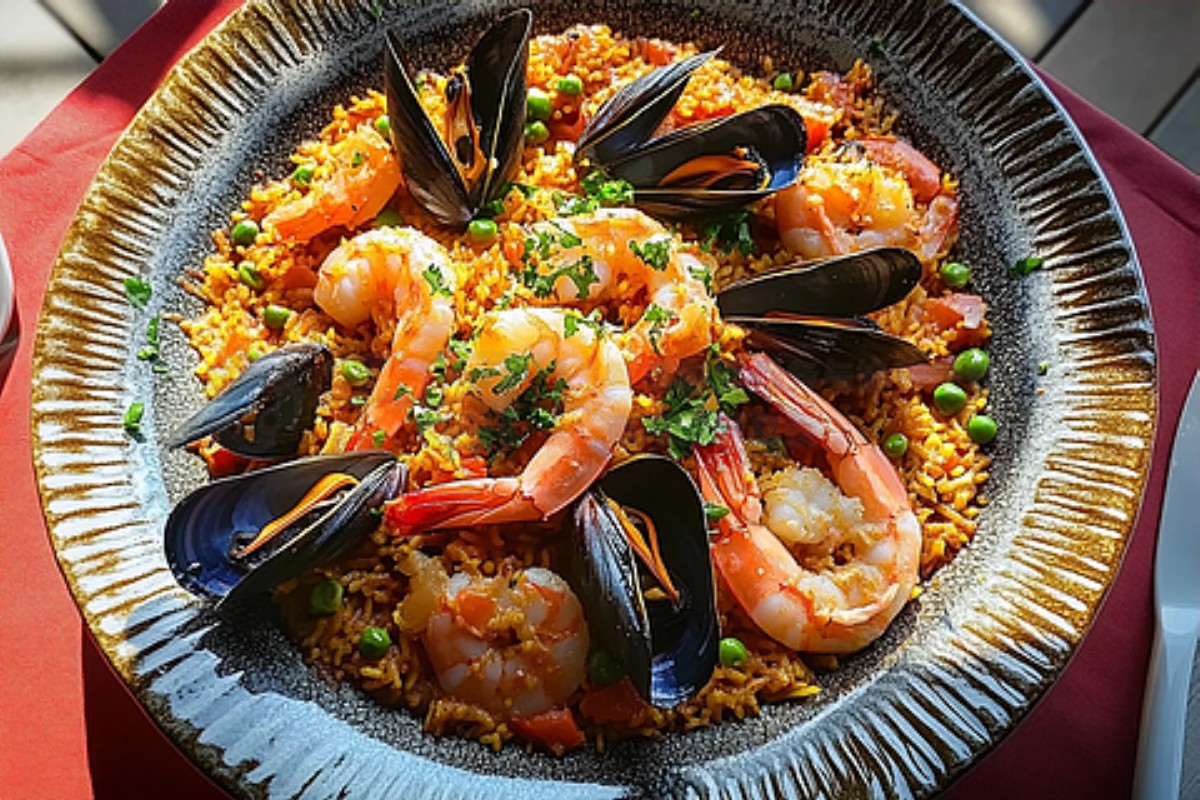
But nowadays most Valencia locals also make seafood versions of paella. What’s their most beloved seafood combination? Let me show you with this table:
| Seafood Type | Popularity | Local Choice Reasons |
|---|
| Large Shrimp | Very High | Sweet meat, absorbs flavors well |
| Mussels | High | Affordable, delicious broth |
| Squid | Medium | Unique texture, requires skill |
| Clams | High | Provides natural saltiness for Valencia paella |
| Red Prawns | Very High | Valencia coastal specialty |
Locals’ Innovative Flavor Preferences
In recent years, Valencia’s younger generation has begun experimenting with various innovative flavors. My neighbor Maria loves adding some roasted red peppers and artichokes to traditional seafood paella, saying it creates more complex layers of flavor. Another popular variation is adding a small amount of lemon zest, which makes the entire dish more refreshingly aromatic.
Some outsiders add sausage or bacon, but this is absolutely unacceptable to Valencia locals. Locals insist that good paella should allow every ingredient’s original flavor to be tasted, rather than being masked by heavy seasonings.
Cooking Techniques and Locals’ Secrets
True Valencians never stir the rice when making paella. They believe stirring destroys the rice grain structure, affecting the final texture. Additionally, locals pay special attention to heat control, using high heat in the final minutes to create a slightly caramelized layer of rice at the bottom called “socarrat,” considered the essence of paella.
If you want to truly understand Valencia’s paella culture, I suggest visiting local family gatherings or small restaurants, rather than those large establishments targeting tourists. There, you’ll discover the most authentic, locally beloved paella flavors that perfectly balance tradition with innovation, just like Valencia paella represents.
