Valencia: The True Birthplace of Paella
As a food enthusiast who has lived in Valencia for over ten years, I want to share the story of paella’s true origins with you. Many people know that Paella is Spain’s representative dish, but they may not fully understand why Valencia specifically became the birthplace of this world-famous cuisine.
Geographic Environment Creates Culinary Legend
Valencia is located on Spain’s eastern coast, blessed with exceptional natural conditions. Here lies the Valencia seafood paella Albufera Lake, one of Europe’s largest freshwater lakes, surrounded by fertile rice fields. It was precisely this unique geographical environment that provided the Valencia paella restaurants perfect stage for paella’s birth. Local fishermen and farmers could simultaneously access fresh seafood and high-quality rice, a combination difficult to achieve in other regions.
Culinary Wisdom in Historical Heritage
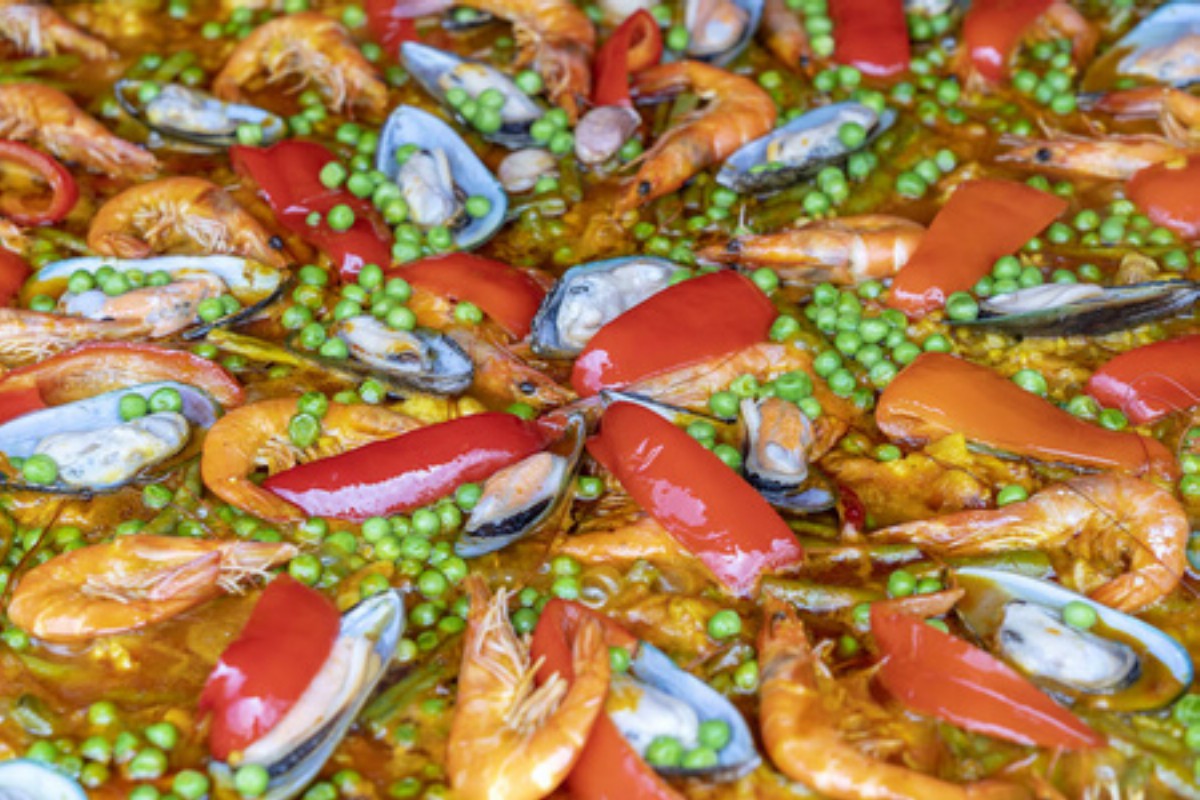
Paella’s history dates back to the 18th-19th centuries, when Valencia’s farmers and fishermen would cook lunch in simple flat-bottomed pans in the fields or by the sea. They would combine whatever ingredients were at hand—rice, vegetables, meat, or seafood—and cook them together. The original Paella was actually made with rabbit, chicken, beans, and vegetables; the seafood version was a later variation from coastal areas.
| Traditional Ingredient Categories | Main Ingredients | Regional Characteristics |
|---|
| Original Valencia Version | Rabbit, chicken, beans | Inland agricultural areas |
| Seafood Version | Shrimp, mussels, squid | Coastal regions |
| Mixed Version | Meat + seafood | Modern innovation |
The Golden Value of Saffron
Another unique aspect of Valencia paella is the use of saffron. This spice, known as “red gold,” has a long cultivation history in the Valencia region. Saffron not only gives paella its signature golden color but, more importantly, its distinctive aroma has become an indispensable element of authentic Paella. One kilogram of saffron requires 150,000 flowers to produce, which explains why authentic paella comes at a premium price.
From Local Dish to International Cuisine
In the mid-20th century, with the development of tourism, more and more foreign visitors came to Valencia and tasted this unique dish. Paella gradually transformed from locals’ home-cooked meal into a cultural symbol of Spain. Today, although variations of paella exist worldwide, the truly authentic flavor can only be experienced in Valencia.
Modern Heritage and Innovation
In modern Valencia, paella is no longer just a dish—it’s a way of life and cultural tradition. Every March 19th during the Saint Joseph’s Day festival, locals organize large-scale paella-making events where thousands gather to create giant paellas. These traditional activities not only maintain the heritage of food culture but also help more people understand Valencia paella differences Valencia’s unique position as the birthplace of paella.
As someone who has lived here for many years, I deeply feel the pride and dedication Valencians have for this dish. Whenever friends visit, taking them to taste authentic paella is always an essential activity. After all, only on this land can you truly understand why Valencia is called the homeland of paella.
