As someone who has lived in Spain for several years, friends often ask me what the difference is between Madrid paella and Valencia paella. To be honest, at first I thought they were all paella - how different could they be? It wasn’t until I actually tasted the authentic versions from both regions that I discovered the differences are quite significant.
Differences in Origin and Tradition
Valencia paella can be considered the “ancestor” of all paellas, originating in the Valencia region in the 18th century. Locals initially made it with local ingredients like rabbit, chicken, beans, and rice, only adding seafood later. Madrid, being an inland city with Madrid paella restaurants, developed paella relatively late, influenced more by coastal regions and combined with the capital’s dining characteristics.
Different Ingredient Choices
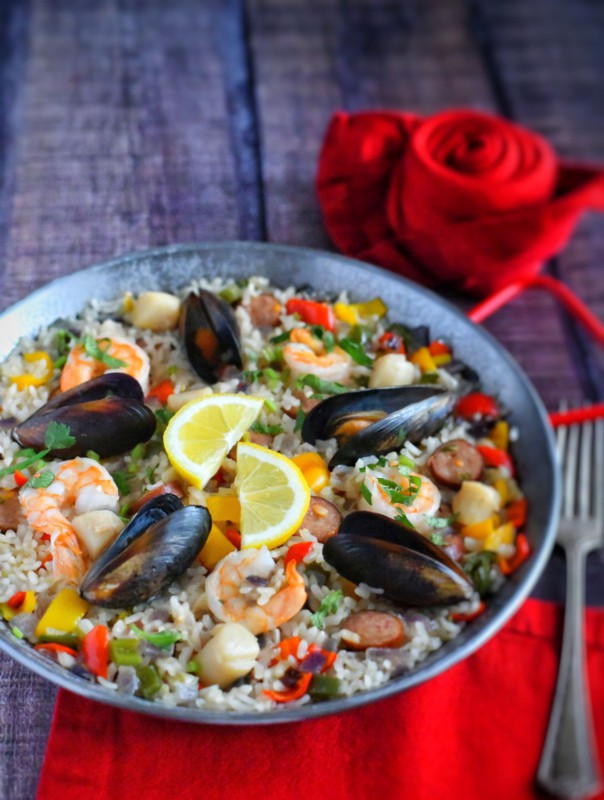
The two regions have obvious differences in ingredient selection. Valencia paella focuses more on tradition, typically using the local Bomba rice, which has full grains and strong water absorption. For seafood, it favors fresh prawns, mussels, clams, and other Mediterranean seafood. Madrid paella is more “internationalized,” and besides Madrid paella traditional seafood, it also includes ingredients easily available in inland areas, such as sausage or chicken.
| Feature | Valencia Paella | Madrid Paella |
|---|
| Main Rice | Bomba rice | Regular short-grain rice |
| Seafood Types | Fresh Mediterranean seafood | Diverse seafood + meat |
| Seasoning | Mainly saffron | Saffron + other spices |
| Cooking Method | Traditional paellera pan | More adaptable |
Differences in Texture and Flavor
In terms of texture, Valencia paella has more chewy rice grains, and the saffron flavor is more pure and intense. The overall taste tends to be light, highlighting the freshness of the seafood. Madrid paella has a relatively richer and more complex flavor because it includes more varieties of Madrid paella ingredients, with more diverse texture layers. Personally, I think Valencia’s version is more suitable for those who enjoy pure seafood flavors, while Madrid’s is better for diners who prefer bolder tastes.
Finally, whether it’s Madrid or Valencia paella, both have their own charm. If you have the chance to come to Spain, I recommend trying both versions - that’s the only way to truly appreciate the rich diversity of Spanish paella culture. After all, when it comes to food, just listening to others talk about it is useless - you can only find your favorite by tasting it yourself.
