As someone who has lived in Madrid for over ten years and frequented Madrid paella restaurants, I want to share what genuine Madrid-style paella looks like from a local’s perspective. Many tourists visiting Madrid head to restaurants in tourist areas, but locals make completely different choices.
The Unique Character of Traditional Madrid Flavors
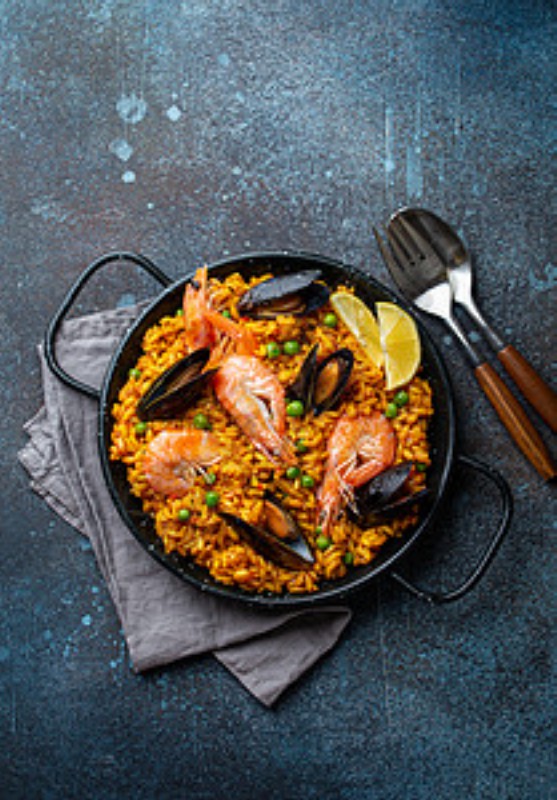
Although Madrid is landlocked, the city’s Madrid paella has developed its own distinctive inland character. Locals favor paella that often incorporates mountain specialties like rabbit or chicken, creating what’s known as “Paella Mixta” style. This mixed approach is particularly popular in Madrid because it combines the essence of both sea and mountain.
Local Seasoning Secrets
Authentic Madrid paella has several key elements. First, the saffron must be used in just the right amount - neither too strong nor too mild. Second, the choice of olive oil is crucial; locals typically use extra virgin olive oil from Andalusia. The ratio of garlic to onion is another factor that truly requires experience.
| Ingredient | Madrid Flavor Characteristic | Recommended Amount |
|---|
| Saffron | Golden color, mild aroma | 0.2g per person |
| Olive Oil | Andalusian origin | 3 tablespoons |
| Garlic | Minced and sautéed | 3 cloves |
| Onion | Sliced and slow-cooked | 1 medium-sized |
Local Preferences in Seafood Selection
Madrid residents are particular about their seafood choices. Despite being inland, fresh seafood arrives daily through efficient logistics. Though prices are indeed higher than in coastal cities. The most popular local combination includes: shrimp, mussels, squid rings, plus some clams. Some families exploring paella differences also add crab or lobster, but this is usually reserved for special occasions.
The most recommended restaurants include Casa Pepe in the Malasaña district and El Rincón del Mar near Chueca. Both establishments maintain traditional cooking methods while offering reasonable prices. Remember to make reservations for weekends, as locals are well aware of these gems.
Ultimately, Madrid’s paella culture reflects the city’s inclusiveness. We’ve absorbed traditional techniques from Valencia while incorporating mountain flavors from the Castilian region, creating a culinary specialty uniquely Madrid’s own. If you want to taste authentic Madrid-style paella, avoid the tourist-oriented establishments around Puerta del Sol and Plaza Mayor, and head to neighborhood restaurants where locals gather - that’s where you’ll find the most genuine flavors.
