The History and Culture of Valencia Paella
As a food enthusiast who has lived in Spain for many years, I’d like to share some insights about Valencia paella. This world-renowned dish is not merely a meal, but an integral part of Valencia’s cultural heritage.
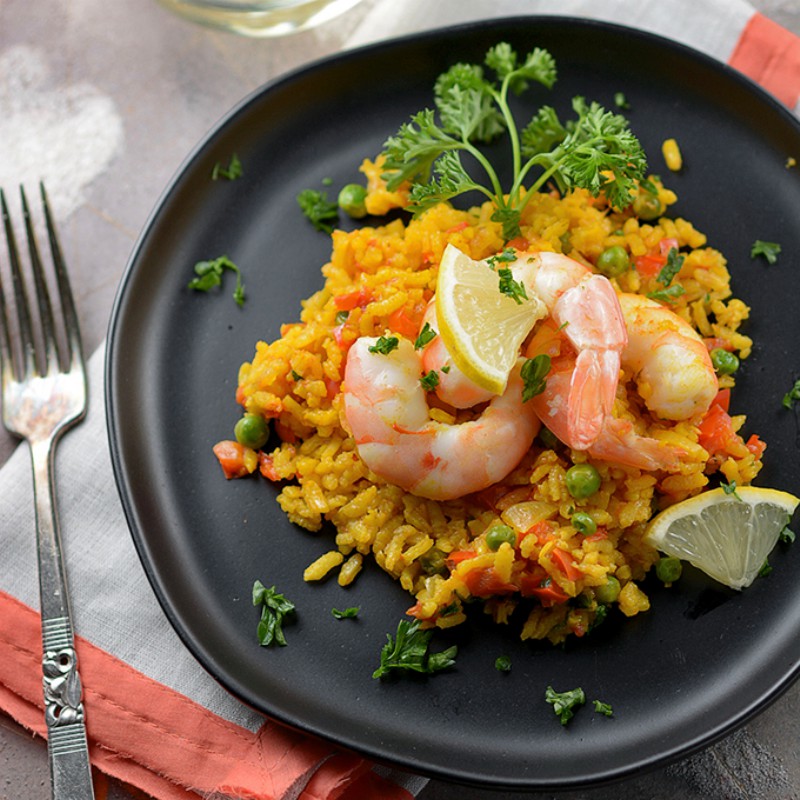
Historical Origins and Development
The history of Valencia paella dates back to the mid-18th century. At that time, farmers and fishermen in the Valencia region would combine locally produced rice with various meats and vegetables, creating the earliest form of paella. It’s worth noting that the most traditional Valencia paella actually doesn’t contain seafood, but primarily features rabbit, chicken, beans, and vegetables as main ingredients.
Over time, coastal fishermen began adding various seafood ingredients, gradually evolving into the seafood version we know today. By the early 20th century, this dish began gaining popularity in other regions of Spain and eventually reached the world stage.
Preparation Techniques and Traditions
Authentic Valencia paella preparation is extremely meticulous. Traditional methods require using a special flat-bottomed pan, wide and shallow, which allows the rice to heat evenly. The most crucial aspects of preparation are heat control and the timing of ingredient additions.
| Traditional Ingredients | Modern Variations |
|---|
| Rabbit, chicken | Seafood varieties |
| Green beans, white beans | Remain traditional |
| Saffron | Still essential spice |
| Rosemary | Personal preference |
During preparation, the use of saffron is absolutely indispensable. It not only provides the distinctive golden color to the rice but also imparts the unique aroma that defines Valencia paella. Locals often say that paella without saffron is not true Valencia paella.
Cultural Significance and Social Function
In Valencia, paella is not just a dish but a symbol of social activity. Every weekend or during festivals, family and friends gather to prepare and share paella together, and this process itself represents cultural transmission.
Many tourists mistakenly believe they can find the most authentic version anytime, but locals typically enjoy this dish on Sunday afternoons, reflecting its deep family cultural significance. The paella-making process usually takes 2-3 hours, during which people chat, drink, and share life experiences. This slow-paced dining culture truly represents the Valencia paella Valencia lifestyle.
Modern Heritage and Development
Entering the 21st century, Valencia paella maintains its traditions while adapting to modern needs. Many restaurants now offer smaller portions of Valencia paella suitable for smaller gatherings. Additionally, vegetarian versions and various innovative flavors have emerged, though these changes remain controversial among the older local generation.
The Valencia government has even established protective measures for this cultural heritage, ensuring traditional preparation methods and ingredient combinations are preserved. Every March 19th during the San José festival, Valencia hosts large-scale paella preparation events, attracting visitors from around the world to experience this unique cultural tradition.
