Complete Guide to Shopping for Paella Ingredients at Spanish Supermarkets
As someone who has lived in Spain for several years, paella has become a regular feature on my family’s dining table. When I first started, I never knew how to select the right ingredients at supermarkets, and my paella would turn out either too salty or bland. After countless experiments and failures, I’ve finally developed a comprehensive system for shopping for paella ingredients at supermarkets, which I’m sharing with you today.
Rice Selection is Key
Rice is the soul of paella, and in Spanish supermarkets you’ll find various rice brands. I strongly recommend choosing Spanish short-grain rice, such as Calasparra or Bomba varieties. These types of rice have excellent water absorption and don’t easily overcook, allowing them to perfectly absorb the flavors of seafood and seasonings. Never use regular long-grain rice, as it will result in poor texture for your paella. You can find these at major supermarkets like Mercadona and Carrefour, priced around 2-4 euros per bag.
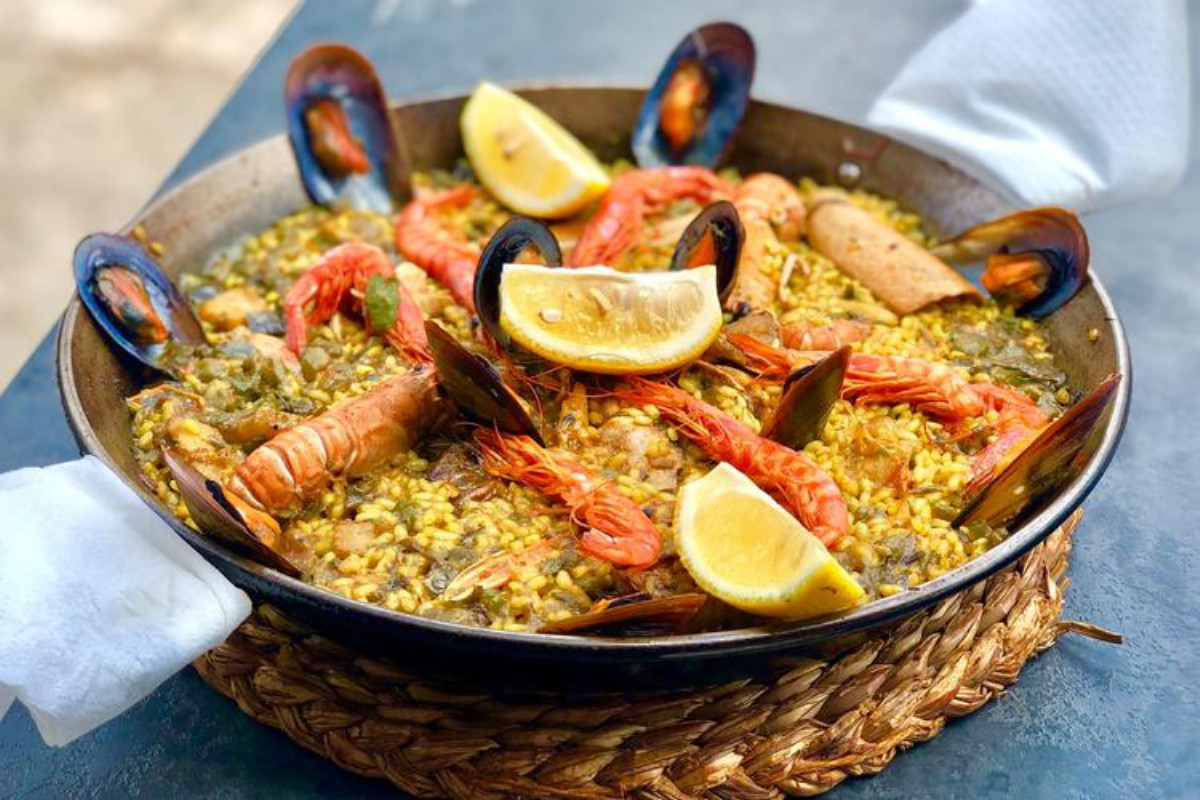
Seafood Freshness Assessment Techniques
The freshness of seafood directly determines the success of your paella. When selecting shrimp, look for shells with luster and check if the meat has elasticity when pressed. Fresh shrimp should smell like light seawater, not fishy or foul. For mussels and clams, choose those with tightly closed shells that produce a crisp sound when lightly tapped. If your budget allows, I recommend purchasing from the supermarket’s fresh counter, where seafood is typically fresher than in the frozen section. You might also want to check out frozen paella options for convenient alternatives, and learn more seafood selection techniques for better results.
| Seafood Type | Freshness Indicators | Avoid Choosing |
|---|
| Shrimp | Lustrous shell, firm meat | Blackened shell, off odors |
| Mussels | Tightly closed shell, responsive to tapping | Open shells that don’t close, no response |
| Clams | Intact shell, appropriate weight | Damaged shell, too light |
| Squid | Smooth surface, clear eyes | Slimy surface, cloudy eyes |
Seasonings and Spices Cannot Be Overlooked
Saffron is the most important seasoning for paella, not only giving the rice its enticing golden color but also providing a unique aroma. In Spanish supermarkets, saffron is usually sold in small glass bottles. While expensive, you only need a small amount - just a pinch is enough for one pot of paella. Remember to choose deep red, thread-like intact saffron, as powdered versions are usually of lower quality. Additionally, you’ll need garlic, onions, tomatoes, and lemons, all essential ingredients for making authentic paella.
Shopping Timing and Storage Recommendations
The best time to buy seafood is between Wednesday and Friday, when it’s typically freshest since most supermarkets receive deliveries on Tuesday. After purchasing, process ingredients promptly - seafood should be used the same day, while rice can be stored in a cool, dry place. If you’ve bought too much, you can clean and portion the seafood for freezing, but remember to label with dates. Frozen seafood should be used within one month. For those looking for convenience, consider exploring paella semi-prepared products that can help even beginners achieve authentic flavors.
I hope these experiences help friends who want to make paella at home. It might be a bit overwhelming at first, but with practice, you’ll become more proficient. Feel free to leave comments below with any questions - I’ll do my best to respond.
