Recently, I’ve noticed many friends struggle with selecting seafood at supermarkets, often bringing home products that aren’t fresh enough. As someone who has lived in Spain for many years, I’d like to share some practical seafood selection experience that I hope will be helpful.
Visual Inspection is Key
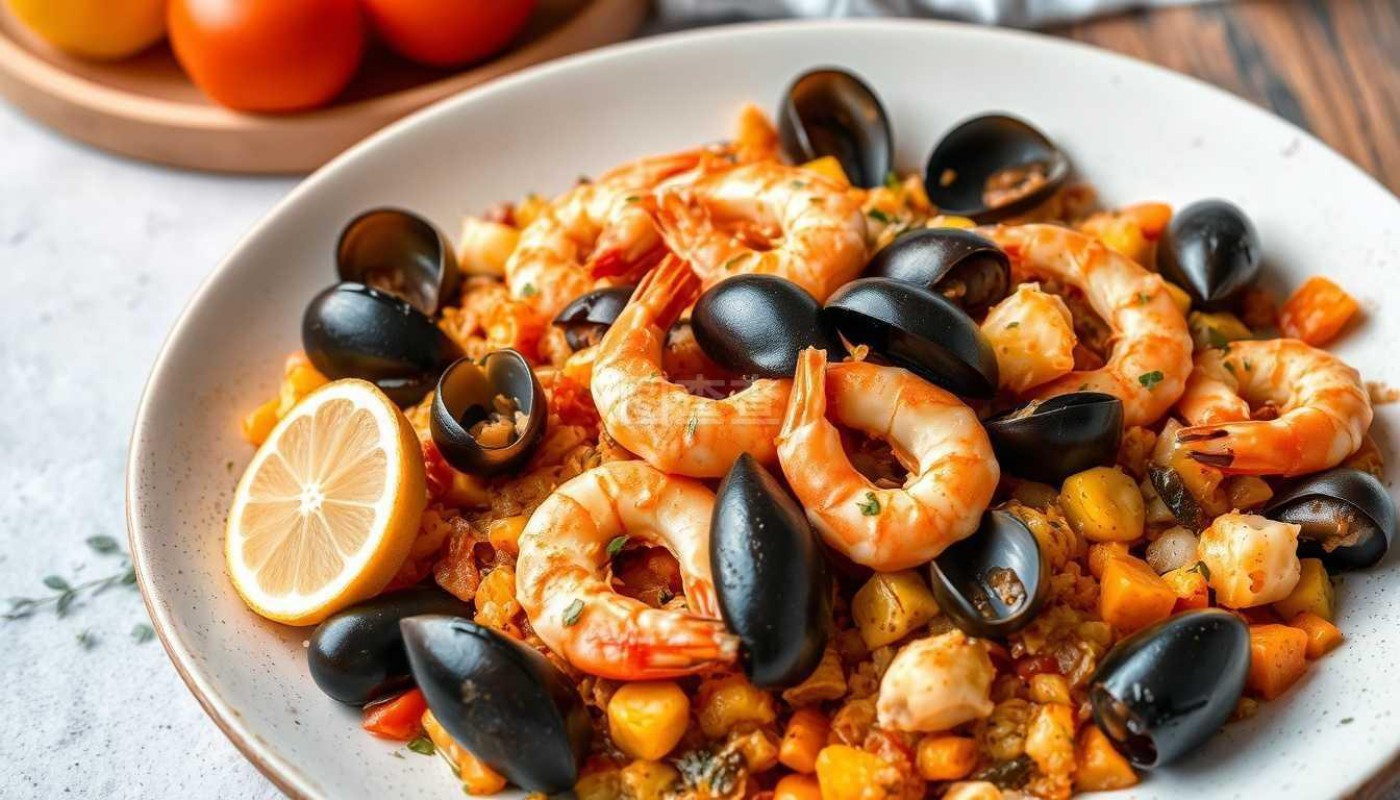
When choosing seafood, appearance is the most intuitive criterion for judgment. Fresh fish should have clear, transparent eyes that aren’t cloudy, with scales that cling tightly to the body and have a glossy appearance. If you notice when looking at frozen seafood rice that fish eyes are white or sunken, and scales are loose or falling off, don’t purchase such fish. Shellfish should have transparent, glossy shells with naturally curved bodies. If you discover when selecting seafood rice ingredients that shells are blackened or have an off odor, this indicates they’re no longer fresh.
Touch Test Method
Gently press the fish body - fresh fish meat has elasticity and will quickly bounce back after pressing. If when examining semi-prepared seafood rice the pressed area remains indented and doesn’t recover, this indicates the fish meat has begun to deteriorate. For shellfish, you can lightly tap the outer shell - live shellfish will immediately close, while dead ones show no response. When purchasing, always choose shellfish with quick reactions.
Smell Detection is Essential
The odor of seafood is an important indicator for determining freshness. Fresh seafood should have a light, briny sea smell rather than a sharp, fishy stench. If you detect strong ammonia odors or putrid smells, absolutely avoid purchasing. This is particularly true for squid and octopus, which when fresh should have no slimy texture and elastic tentacles.
| Seafood Type | Fresh Characteristics | Avoid Selecting |
|---|
| Fish | Clear eyes, shiny scales | Cloudy eyes, loose scales |
| Shellfish | Transparent shells, curved bodies | Blackened shells, rigid bodies |
| Mollusks | Tightly closed shells, substantial weight | Open shells, lightweight |
Finally, I’d like to remind everyone that when buying seafood, it’s best to choose supermarkets with high customer turnover, as this means faster seafood rotation and relatively fresher products. Additionally, don’t be tempted by cheap prices when buying discounted seafood, as it’s likely marked down due to declining freshness. After mastering these techniques, I’m confident everyone will be able to select satisfactory fresh seafood at the supermarket.
