As a food enthusiast who has lived in Valencia for over ten years, I want to share some insights about Valencia paella. Recently, I’ve noticed many misconceptions about traditional paella and modern methods, so today I’ll detail the differences between these two approaches to paella valenciana.
The Essence of Traditional Valencia Paella
Authentic traditional Valencia paella actually doesn’t contain seafood! This might surprise many people. Genuine paella valenciana mainly includes rabbit, chicken, green beans, white beans, tomatoes, and saffron. This recipe has been passed down for centuries, evolving from the simple meals that Valencia farmers ate while working in the fields.
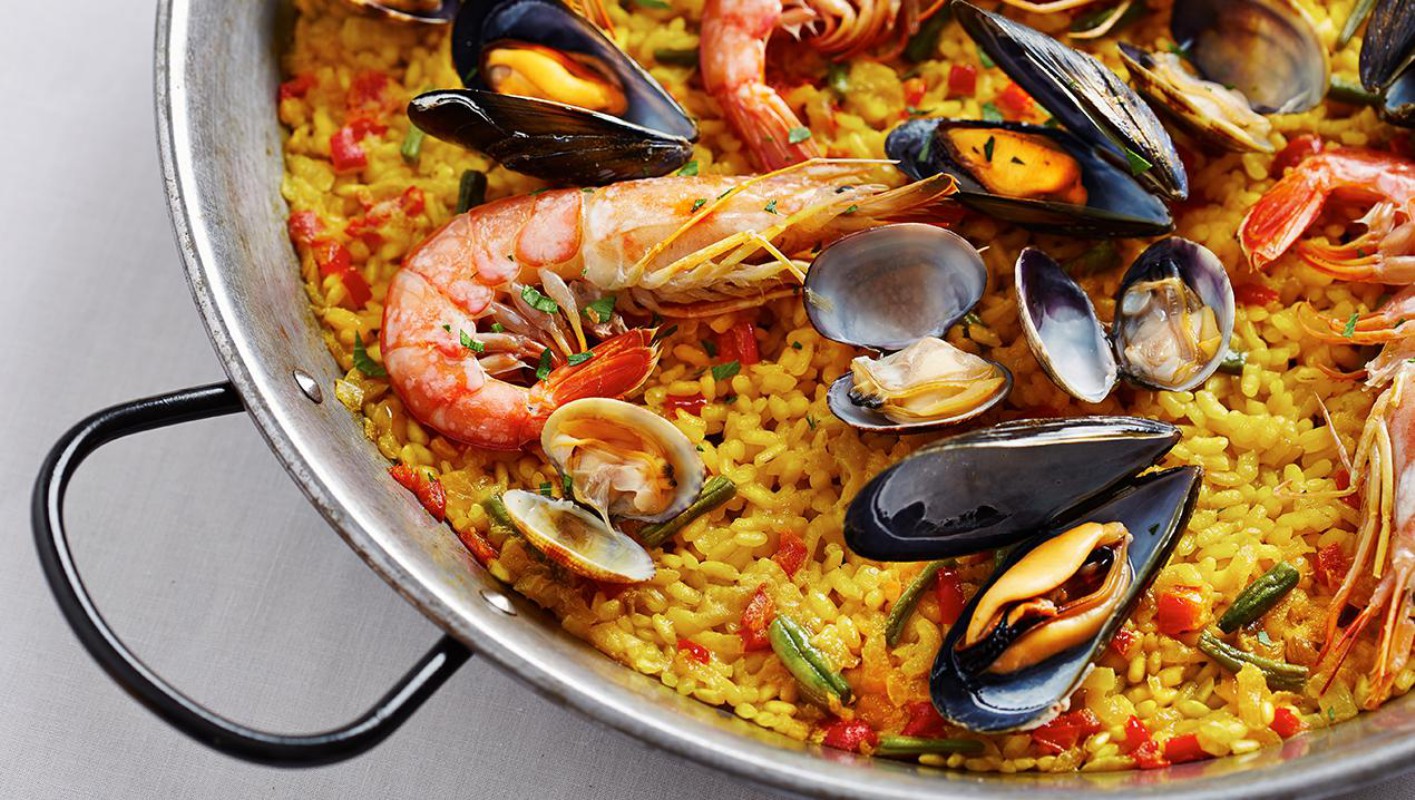
Traditional methods strictly require using a specific paellera flat pan, typically 30-40 centimeters in diameter. The rice must be local Bomba or Calasparra varieties, which have strong water absorption and don’t overcook easily. Most importantly, traditional methods absolutely forbid stirring, allowing the rice to naturally absorb the essence of the broth.
Modern Paella’s Innovative Changes
Modern versions of Valencia paella are more diverse, incorporating various seafood like shrimp, clams, and mussels. This change mainly caters to international tourists’ tastes while reflecting modern understanding of nutritional balance. Modern methods have also improved cooking techniques, such as processing seafood separately to ensure each ingredient reaches optimal texture.
| Traditional Method | Modern Method |
|---|
| Mainly rabbit and chicken | Seafood as main ingredients |
| Strictly no stirring | Moderate stirring for seasoning |
| Wood fire cooking | Gas or induction cooking |
| Fixed recipe | Flexible ingredient adjustments |
Modern chefs also add different vegetables according to season and regional characteristics, such as red peppers, asparagus, or artichokes. Seasoning is also more diverse; besides traditional saffron, they add lemon, garlic, and various herbs.
Core Differences Between Both Methods
The biggest difference lies in philosophy and purpose. Traditional methods pursue historical heritage and regional characteristics, with each step having cultural significance. Modern methods focus more on taste experience and nutritional balance, allowing adjustments based on personal preferences.
From a technical perspective, traditional methods require higher fire control skills because without stirring, you must rely on experience to judge rice doneness. Modern methods are relatively easier to master, even beginners can achieve good results. Honestly, both methods have their own charm - the key is understanding the cultural background and original intentions behind them. For those interested in exploring authentic Valencia paella, understanding these differences is essential.
